
Creamy cassava broth with shredded meat, perfect for winter.
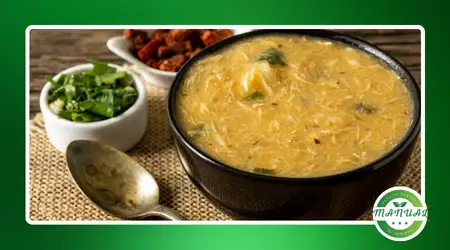
Prepare an authentic cassava broth with shredded meat It's the pinnacle of gastronomic comfort when winter decides to show its face.
Adverts
Forget about processed recipes or shortcuts that sacrifice flavor; true Brazilian folk cuisine comes to life in the pot when we combine the natural creaminess of cassava with the succulence of slowly cooked and shredded meat.
Some people think that all winter soups are the same, but this is often misinterpreted by those who don't understand the basics of comfort food cooking.
The balance between the density of the cream and the precise cooking point of the protein requires technique, yes, but nothing that a good dose of patience and the right secrets can't solve.
It's almost a therapeutic process to watch such simple ingredients transform into a robust and velvety dish.
Adverts
To guide your steps toward the perfect broth, we've organized this article as a true practical manual.
Below, you will discover the properties of the root, the ideal cuts of meat, texture tricks, the ingredient list, the definitive preparation method, real nutritional information, side dish suggestions, and best preservation practices.
What are the nutritional benefits of cassava in winter?
Cassava acts as a clean energy source for the human body during drops in temperature.
Unlike simple carbohydrates, complex carbohydrates are digested slowly, preventing glucose spikes and keeping the body warm for much longer.
There's something comforting about knowing that that heavy, satisfying consistency comes with a generous dose of dietary fiber.
These fibers not only prolong the feeling of fullness after a meal, but also play a crucial role in regulating intestinal transit.
In addition to providing thermal comfort, regular consumption of the root delivers essential minerals such as potassium, which contributes to muscle health, and magnesium.
There is also a considerable supply of vitamin C, a strategic ally in protecting the immune system against the common seasonal flu illnesses of this time of year.
How to choose the best meat for perfectly shredded meat?
The biggest mistake in executing a cassava broth with shredded meat It's about choosing excessively lean and expensive cuts of meat, such as the rump or the top round.
These pieces lack the necessary collagen and turn into dry, rubbery fibers after prolonged pressure cooking.
To achieve that shredded, almost melt-in-your-mouth texture, you should prioritize cuts from the front of the beef, such as chuck, shoulder, or brisket.
The secret lies in the collagen in these fibers, which melts during prolonged boiling and transforms into a rich and succulent gelatin.
The rump muscle also emerges as a brilliant and very tasty alternative, although it requires a few extra minutes under pressure.
Do not remove the marbling of fat before cooking; it is largely responsible for adding depth and complexity to the broth that will serve as the base for the cream.
What's the secret to making creamy cassava broth with shredded beef?
Forget cornstarch, cartons of heavy cream, or any other artificial thickening trick that masks the flavor of the dish.
The perfect creaminess is achieved by controlling the water ratio and taking advantage of the natural starch released by the cells of the cooked cassava.
The temperature at which the blender is used determines the success of the recipe: processing the cassava while it's still warm ensures that the starch creates a smooth emulsion.
If you let the root cool completely before blending, it can acquire an unpleasant, elastic texture, popularly called "sticky".
Another masterstroke is to use only the water from cooking the meat to process the root, drawing out all the concentrated flavors from the bottom of the pan.
A spoonful of clarified butter in the final sauté seals the texture, adding an irresistible satin sheen to the eyes.
+ World Pizza Day: 3 homemade recipes to celebrate
Essential ingredients for the recipe
- 1 kg of peeled cassava, cut into medium-sized pieces
- 1 kg of chuck (or shoulder) cut into large cubes
- 1 large onion, finely diced
- 4 cloves of garlic, crushed or finely chopped
- 2 tablespoons of olive oil or clarified butter
- Salt and freshly ground black pepper to taste
- 1 bunch of fresh chopped herbs (parsley and chives)
- Enough boiling water for cooking.
Detailed preparation instructions
Step 1: Cooking and shredding the meat
Heat the olive oil or clarified butter directly in the pressure cooker over high heat. Add the meat cubes and sear all sides until a golden crust forms on the bottom of the pan.
Add the onion and garlic, sautéing until translucent and fragrant. Season with salt and pepper, cover with boiling water (about four fingers above the meat), cover and cook for forty minutes after it comes to pressure.
Turn off the heat, wait for the pressure to release naturally, and open the pot. Remove the pieces of meat with a slotted spoon, shred them using two forks, and reserve the concentrated broth that remains in the pot.
Step 2: Preparing the cassava cream
In another saucepan, cover the cassava with water and a teaspoon of salt. Bring to a boil and cook until the pieces are completely soft, almost falling apart.
Drain the cassava while still warm, cut the pieces in half and remove all the woody central filaments. Transfer the root to a blender, add the reserved meat broth and process until you obtain a silky cream.
+ Rice with fried egg and caramelized onions: why this combination never fails.
Step 3: Finishing and reducing the broth
Pour the processed cassava cream into a large saucepan and add the reserved shredded meat. Mix well to combine the ingredients and cook over low heat.
Let the broth simmer for about ten minutes so that the flavors fully meld, stirring constantly with a wooden spoon to prevent it from sticking to the bottom. Adjust the salt and pepper if necessary.
Turn off the heat, sprinkle the chopped fresh herbs on top, and cover the pan for two minutes before serving. The dish should be brought to the table while still steaming.
For enthusiasts who wish to delve deeper into the botanical and productive aspects of this quintessentially Brazilian ingredient, it is worth consulting the technical resources available at [website/resource name]. Official website of Embrapa.which details the richness of our agricultural varieties.
Nutritional information for cassava broth (300ml serving)
| Culinary Component | Average Quantity | Main Benefit |
| Total Calories | 340 kcal | Providing the body with a long-lasting energy supply. |
| Complex Carbohydrates | 42g | Prolonged satiety during cold nights |
| High Value Proteins | 24g | Muscle maintenance and tissue repair |
| Dietary Fiber | 3.8g | Immediate aid in digestion and intestinal transit. |
| Sodium | 480mg | Essential control of electrolyte balance |
What side dishes go best with this hot dish?

Thick slices of sourdough bread, lightly toasted in a pan with olive oil and garlic, create the ideal textural contrast for the meal.
The crispness of the bread breaks the linearity of the cream, making each spoonful a dynamic experience.
A thin layer of kale sautéed in butter, sprinkled on top, adds a touch of freshness and balances the richness of the meat.
If you want to elevate the presentation, grilled cubed cheese curds or freshly grated Parmesan cheese create a spectacular savory topping.
To complement the dish, young red wines with good acidity help cleanse the palate between thick spoonfuls of the broth.
Also leave a good pepper mill and a bottle of extra virgin olive oil available for guests at the table.
+ Rich homemade soup without cream, made with a natural trick.
How to safely store and freeze broth?
If you have leftover food, proper handling determines the safety of your next meal. Allow the broth to cool down and reach room temperature before storing it in airtight glass jars, keeping them refrigerated for up to three days.
Freezing is an excellent way to optimize your routine and should preferably be done in individual portions for precise consumption.
When properly packaged in BPA-free containers, the dish retains its flavor characteristics for up to ninety days in the freezer.
When reheating, note that the cassava starch tends to solidify and thicken considerably after continuous cooling.
Bring to a low heat, adding a small handful of water or homemade broth, stirring constantly so that it regains its original velvety texture.
To understand best practices for handling and preserving prepared foods, you can consult the technical notes provided by [organization name]. National Health Surveillance Agency – Anvisa, ensuring a safe kitchen at all times.
As we've seen throughout this guide, the success of this dish lies in the details, from the meticulous selection of the front cut to the care taken when processing the still-warm root.
By mastering these simple steps, you can transform readily available ingredients into a comforting feast, perfect for celebrating chilly evenings around the table.
FAQ – Frequently Asked Questions
Can I use frozen cassava from the supermarket to make the broth?
Absolutely. Frozen cassava is usually quite convenient because it comes already peeled, but be sure to cook it until it's very soft before blending, ensuring that the cream doesn't have small hard pieces.
What should I do if the cassava broth with shredded meat becomes too thick as it cools?
This happens because of the root's natural starch, which condenses in the cold. To fix this, simply add a little boiling water or milk gradually while reheating over low heat, stirring until it reaches the desired consistency.
How to shred meat quickly without struggling with forks?
Once cooked and very tender, remove the excess liquid from the pressure cooker, close it again promptly, and shake the pot vigorously for a few seconds. The meat will come out completely shredded due to the impact.
Can I substitute beef with chicken or pork loin?
Yes, you can. Shredded chicken breast or pork shoulder work very well as substitutes in the recipe, although the final flavor changes slightly compared to the traditional version made with beef cuts from the forequarter.