
Rich homemade soup without cream, made with a natural trick.
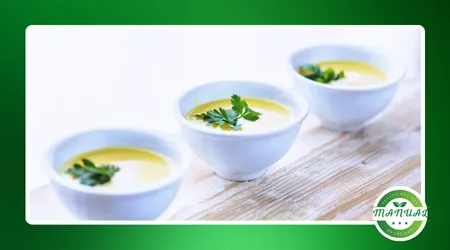
One hearty homemade soup without cream It's the perfect refuge for cold days, combining thermal comfort with deep nutrition without using artificial thickeners or heavy fats.
Adverts
Many people still fall into the trap of believing that, in order to obtain that velvety and rich texture, the use of cream, flour, or processed starches is mandatory.
However, functional gastronomy in 2026 teaches us to look at the whole ingredient, transforming simple vegetables into dense and flavorful bases through processes that respect the nature of the food.
In this guide, I'll show you how the "natural trick" revolutionizes the consistency of your broths. It's a method that guarantees professional results without weighing down your stomach, focusing entirely on the balance between technique and well-being.
Summary
- The science of texture in modern soups.
- What's the natural trick to thicken soups?
- Nutritional benefits of the thickening technique
- How to prepare the perfect base step by step.
- Nutritional Table: Comparison of Bases
- Final Reflection and FAQ
What's the secret to making a hearty homemade soup without cream?
The key difference in contemporary cuisine lies not in expensive ingredients, but in the intelligent use of natural fibers and starches.
Adverts
The "puree base" technique consists of using a portion of the cooked vegetables themselves to create a dense emulsion, without the need for external additives that often overpower the original flavor.
This method intensifies the aromatic profile and preserves nutrients that, in thin broths, would end up diluted and wasted.
By mastering the hearty homemade soup without creamThis gives you the freedom to improvise with what you have in the fridge, transforming a simple kabocha squash or a handful of chickpeas into memorable meals.
The magic happens in the choice of structural agent. Potatoes, cassava, or white beans act as impressive natural binders.
When processed after slow cooking, these foods release polysaccharides that impart a silky viscosity, eliminating any craving you might have for dairy or gluten to achieve the ideal consistency.
How to choose the best vegetables for naturally bulking up your diet?
Not all vegetables have the same density, so the selection needs to be strategic to avoid the soup becoming just colored water.
Vegetables rich in complex starches or soluble fiber are the best candidates, as they ensure that the mixture remains homogeneous even after cooling, without that annoying separation of phases.
For a hearty homemade soup without cream With a lighter touch, cooked and blended cauliflower is an unbeatable ally.
It delivers creaminess with very few calories. And for those seeking energy and prolonged satiety, legumes like lentils and chickpeas provide a protein structure that sustains the body for much longer.
One detail that many overlook is the initial sautéing. Onion, garlic, and celery release essential oils that, when incorporated into the blended base, create a fascinating depth of flavor.
Recipe: Velvety Vegetable Soup (The Natural Trick)
This preparation is the ultimate example of a hearty homemade soup without cream, focused on extracting maximum creaminess from the ingredients themselves.
- Preparation time: 15 minutes
- Cooking time: 25 minutes
- Performance: 4 generous servings
Selected Ingredients
- The Body Agent: 3 medium-sized parsnips (or white sweet potatoes), peeled and cubed.
- The Mix of Textures: 2 chopped carrots, 1 cup of kabocha squash, and 2 cups of broccoli florets.
- Aromatic Base: 1 large chopped onion, 3 crushed garlic cloves, and 1 finely chopped celery stalk.
- Cooking Liquid: 1.2 liters of boiling water (or homemade broth from vegetable peels).
- Seasonings and Finishing Touches: Sea salt, freshly ground black pepper, a pinch of nutmeg, and extra virgin olive oil.
Step by Step Preparation Method
1. Building Flavor
In a heavy-bottomed pan, heat a drizzle of olive oil and sauté the onion and celery until translucent.
Add the garlic and let it brown lightly, being careful not to make it bitter. This initial step will give depth to the final broth.
2. Structural Cooking
Add the parsnip, carrot, and pumpkin. Cover with boiling water and season with salt and nutmeg.
Cook over medium-low heat, with the pan partially covered, for about 20 minutes or until the cassava is falling apart when pierced with a fork.
3. Applying the Natural Trick
Here's the secret: remove about two thirds Remove all the vegetables from the pot and place them in a blender (or in a tall container to use an immersion blender).
Add just one ladleful of the cooking liquid. Whisk until you obtain a thick, glossy, and completely smooth cream.
4. The Final Harmonization
Pour this cream back into the pan with the remaining vegetables and broccoli (which cook quickly). Mix gently.
The thick puree will merge with the thin liquid, creating a hearty homemade soup without cream For a professional consistency. Let it simmer for another 5 minutes over low heat.
5. The Master Touch
Turn off the heat and finish with a generous drizzle of olive oil over each dish. This creates a final emulsion of shine and flavor that surpasses any dairy product with superiority.
Editorial Tip
If you're looking for an even higher protein option, replace the cassava with... cooked white beans when whipping the cream.
The result is a thick, velvety soup with an excellent nutritional profile, ideal for those who work out or seek prolonged satiety.
What are the benefits of avoiding cream in soups?
Removing high-fat dairy products from the equation reduces the saturated fat content, making the dish lighter and facilitating nighttime digestion.
Beyond the health aspect, there's a sensory issue: without the layer of fat from the cream, the primary flavors of the vegetables and spices shine through with a clarity you rarely find in commercially produced soups.
When preparing your hearty homemade soup without creamThis also gives you better control over the glycemic index of the meal.
Bases like sweet potatoes or lentils promote a gradual release of energy into the bloodstream. This prevents those insulin spikes that cause hunger soon after a meal, keeping the body nourished and satisfied for hours on end.
The long-term impact is felt in cardiovascular health and in the improvement of the gut microbiota, thanks to prebiotic fibers.
Cooking mindfully today means understanding that the desired texture can—and should—come from plant-based sources rich in vital minerals and vitamins essential to the body.
Step by step: The natural trick of vegetable emulsion
Start by cooking your chosen vegetables in a homemade aromatic broth, cooking them until very soft so that the flavors fully integrate.
Avoid ready-made bouillon cubes; they are saturated with sodium and preservatives that defeat the purpose of homemade food, always preferring fresh herbs and real spices.
The trick is to separate about a third of the solid vegetables with a little liquid and blend them in a blender or food processor.
This process creates a smooth cream that will act as the binding agent for your hearty homemade soup without cream, restoring the "gourmet" texture to the pan without using a drop of milk.
Return the cream to the pan and stir over low heat for a few minutes so that everything blends together harmoniously and thickens.
This slight thermal shock completes the dish's structure, resulting in a consistency that coats the spoon in a way that is pleasing to the eye and, above all, delicious to eat.
+ Minced meat with rustic sauce for a homemade lunch.
Comparison of Bases for Natural Thickening
The table below summarizes how each ingredient behaves in the pan, helping you decide which is best suited to your taste.
+ Shredded cooked chicken in its own broth makes it even juicier.
| Base Ingredient | Thickening Level | Main Benefit | Aftertaste |
| English Potato | High | Fast and cheap energy | Neutral and versatile |
| Cauliflower | Average | Very low carbohydrate | Slightly sweet |
| Chickpea | Very High | High in protein and filling. | Almond-like and rustic |
| Pumpkin | Average | Rich in Vitamin A | Sweet and comforting |
| Mandioquinha | High | Vibrant color and intense aroma | Striking and elegant |
Why does cooking temperature influence the final texture?
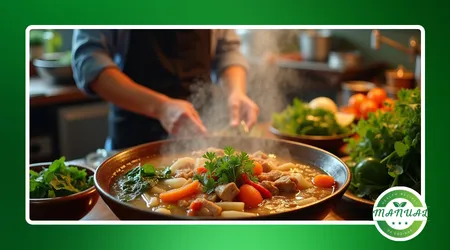
Cooking over low heat allows the cell walls of vegetables to break down slowly, releasing starches in a controlled manner without burning the bottom of the pan.
Patience here is the invisible ingredient that guarantees the quality of hearty homemade soup without creamdelivering a stable, brilliant base free of unwanted clumps.
If the boiling is too vigorous, the liquid evaporates too quickly and the vegetables may toughen on the outside before they are cooked on the inside.
The secret is to keep those bubbles small and constant, allowing each ingredient to impart its essence to the broth in a balanced way, resulting in greater flavor complexity.
Adjust the salt only at the end, as the natural reduction of the broth intensifies all the flavors, including the saltiness.
This technical care avoids common mistakes and ensures that the focus remains on the health and freshness of each component, raising the technical level of your home kitchen.
Where can you find inspiration for authentic flavor combinations?
Creativity in the kitchen flourishes when we experiment with spices that elevate the vegetable base, such as nutmeg in cauliflower or cumin in lentils.
One hearty homemade soup without cream It gains a sublime finishing touch with a drizzle of quality extra virgin olive oil or some toasted seeds sprinkled on top.
It is worth seeking inspiration from cultures that master the use of grains to thicken broths, such as Mediterranean cuisine or rustic Portuguese soups.
These traditions teach that you don't need luxury to create hearty meals; you just need to understand what the land offers in each season and how to make the most of it.
Having this technical awareness transforms the act of cooking into a much more strategic, nutritious, and, above all, delicious practice.
+ Creamy restaurant-style scrambled eggs, easy to make at home.
Conclusion
Knowing how to prepare a hearty homemade soup without cream It's a valuable skill for anyone seeking to combine the pleasure of eating with a consistent health routine.
The natural trick of processing your own vegetables shows that the secret to the best textures lies in the simplicity of the technique, not in the complexity of industrialized labels.
By applying these concepts, you move beyond simply "making soup" and create a sensory experience that respects the food's time and your body's needs.
Try this technique today and realize how the real taste of food can be much more comforting than any artificial shortcut.
FAQ – Frequently Asked Questions
Can I freeze thick soups using this method?
Absolutely. They hold their structure well, but remember to stir well when reheating so that the vegetable emulsion regains its original fluidity.
Does this trick work with any vegetable?
The best options are starchy vegetables (potatoes, pumpkins) or fibrous vegetables (broccoli, carrots). Green leafy vegetables, because they contain a lot of water, cannot form a solid structure on their own without a supporting base.
Is it better to use a mixer or a blender?
The mixer is practical because it goes directly into the pan, but if you're looking for that absolutely silky texture, the blender is still unbeatable for pulverizing the fibers.
Can I use oats as a thickener?
Yes, oats are an excellent extra trick. They disappear into the broth, add soluble fiber, and create a creamy texture without altering the flavor of the main vegetables.
How can I prevent soup from becoming too thin?
The secret is in the proportions: use less water at the beginning of cooking. It's always easier to add liquid later than to try to reduce a soup that's already become watery.
To understand more about the impact of food on global health, it's worth checking out the guidelines from... Pan American Health Organization (PAHO).