
Creamy restaurant-style scrambled eggs, easy to make at home.
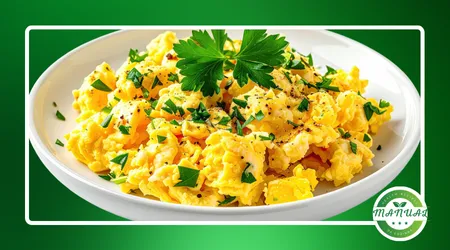
To conquer the creamy scrambled eggs, restaurant style It requires technique, patience, and a precise understanding of how proteins react to controlled heat to avoid that unwanted rubbery texture.
Adverts
Mastering this art at home transforms an ordinary breakfast into a gastronomic experience worthy of five-star hotels, using only simple ingredients and basic kitchen utensils.
In this comprehensive guide, we'll explore professional methods, from choosing the ideal fat to precisely controlling the heat, ensuring your recipe reaches peak creaminess and flavor.
Summary of the Professional Guide
- The Science Behind Creaminess
- What's the secret to the perfect egg?
- Essential Utensils and Ingredients
- French Technique vs. American Technique
- Time and Temperature Table
- How to Avoid Common Mistakes in Preparation
- Conclusion and Harmonization Tips
- FAQ – Frequently Asked Questions
What's the secret to creamy, restaurant-style scrambled eggs?
The real magic happens in the speed of coagulation. World-renowned chefs, such as Gordon Ramsay, argue that residual heat is the most important factor in achieving that velvety texture.
Unlike a fried egg, the creamy scrambled eggs, restaurant style It should be cooked slowly, preferably over low heat, allowing the fat and protein to create a stable emulsion.
Adverts
Using chilled butter added during the process helps to lower the temperature of the pan instantly. This stops the aggressive cooking and gives the final dish a satin sheen.
Many amateur cooks make the mistake of over-beating eggs before cooking them. Ideally, you should only break the yolks and mix them gently to maintain their molecular structure.
To learn more about the chemical composition of food and how heat affects proteins, you can consult the official website of [website name/organization name]. EMBRAPAwhich details the science of food.
Necessary Ingredients
- 3 large, fresh eggs (preferably organic or free-range);
- 1 tablespoon of chilled unsalted butter (cut into small cubes);
- 1 teaspoon of fresh cream or crème fraîche (optional, for finalization);
- Refined salt and white pepper to your liking;
- French chives Finely chopped for decoration.
Professional Preparation Method
- Initial Preparation: Crack the eggs directly into a small, cold saucepan or heavy-bottomed frying pan. Add half of the cubed butter. Do not beat the eggs beforehand in a bowl.
- Start of Cooking: Place the pan over medium-high heat. Use a silicone spatula to break up the egg yolks and begin mixing the ingredients in a steady, rhythmic motion, always scraping the bottom of the pan.
- Temperature Control: As soon as you notice small lumps starting to form (after about 30 seconds), remove the pan from the heat for 10 seconds, stirring vigorously with a spatula.
- Heat Cycles: Return to the heat for another 30 seconds and remove again. Repeat this "on and off" process for about 3 minutes. This prevents the creamy scrambled eggs, restaurant style Overcook.
- Finishing and Seasoning: When the mixture has the consistency of a thick cream, but is still shiny and moist, add the remaining cold butter and the heavy cream. Season with salt and pepper only now.
- Immediate Service: Remove from the heat before it seems completely cooked, as the residual heat will finish the dish. Serve immediately on warmed toast and garnish with fresh chives.
How do you choose the best ingredients for your recipe?
Egg quality is the fundamental pillar. Free-range or organic eggs have yolks richer in lipids and an intense color, resulting in a much deeper and more complex flavor.
The freshness of the product ensures that the egg white and yolk maintain their ideal viscosity. Old eggs tend to be more liquid, which makes it difficult to form soft curds.
The type of fat chosen also determines the outcome. While olive oil is healthy, unsalted butter is a favorite among experts for its ability to seal in moisture within the protein.
Do not add salt at the beginning of the mixing process if you want an extremely smooth texture. Salt removes water from the proteins prematurely, which can make the final result slightly firmer.
What techniques guarantee the ideal texture at home?
There are two main approaches in the world of haute cuisine. The first is the French technique, which uses the bain-marie or very low heat, resulting in something almost like a cream.
The second approach involves repeatedly removing the pan from the heat. This "on and off" motion controls the thermal energy, ensuring that the creamy scrambled eggs, restaurant style Never go overboard.
Constantly moving the spatula is essential. This continuous flow prevents a crust from forming on the bottom of the pan, keeping the entire egg mixture homogeneous and extremely juicy.
Ideally, use a high-quality silicone spatula. It allows you to scrape the edges and bottom precisely, ensuring that no part of the egg cooks more than the others.
+ Fluffy rice for the week cooked in a regular pot: homemade tricks that really work.
Reference Table: Time and Temperature
Below, we present consolidated data on how heat impacts the final texture of the egg. Precise control differentiates the amateur cook from the high-level professional.
+ Shredded cooked chicken in its own broth makes it even juicier.
| Pan Temperature | Estimated Time | Resulting Texture | Recommendation |
| Low (60°C – 70°C) | 5 to 8 minutes | Ultra soft / Velvety | Classic French style |
| Average (80°C – 90°C) | 2 to 3 minutes | Soft with small pieces | International standard |
| High (> 100°C) | < 1 minute | Dry and spongy | Not recommended for creaminess. |
When should you add special spices and finishing touches?
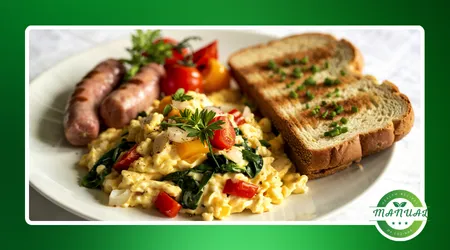
The finishing touch is where you can personalize the dish. Fresh herbs like chives or parsley should only be added at the very last second to preserve their freshness and color.
Freshly ground black pepper makes a huge difference. Opt for white pepper if you want a perfectly clean look, or black pepper for a visual contrast and a spicier, more rustic flavor.
Add a spoonful of crème fraîche Adding plain Greek yogurt at the end of cooking is the master trick. This provides a slight acidity that balances the richness of the butter's fat.
To serve the creamy scrambled eggs, restaurant style A slice of toasted sourdough bread elevates the dish. The contrast between the crispness of the bread and the softness of the egg is sublime.
Why is controlling waste heat essential?
Most people forget that the pan remains hot after the stove is turned off. If you leave the egg on the stove to cook to your desired doneness, it will end up dry on the plate.
Remove the preparation from the heat while it still looks slightly "wet." The accumulated heat will finish cooking the proteins while you assemble it on the serving plate.
Warm dishes are another distinguishing feature of restaurants. Placing perfectly cooked eggs on a cold plate causes them to lose temperature and texture quickly, compromising the entire sensory experience.
Modern culinary science focuses on precision. Understanding that an egg fully coagulates at 73°C allows you to handle the heat with much more confidence and superior technical mastery.
What are the most common mistakes you should avoid?
The number one mistake is using high heat to speed up the process. Haste makes waste when it comes to creaminess, resulting in fragmented eggs and excessive water being released into the dish.
Another common mistake is using thin aluminum pans. Good quality triple-bottomed or non-stick frying pans distribute heat more evenly, preventing burnt spots.
Ignoring the importance of the correct spatula can ruin the presentation. Forks scratch the pan and don't homogenize the mixture as well as a wide silicone or rubber spatula.
Finally, don't underestimate the power of resting. Letting the egg sit for just ten seconds before the first bite allows the flavors to stabilize and the texture to gently firm up.
How can I improve the nutritional value of this meal?
Eggs are considered superfoods due to their complete amino acid and vitamin profile. They provide choline, essential for brain health, as well as important antioxidants such as lutein and zeaxanthin.
To keep the dish balanced, combine it with sautéed vegetables or avocado. These additions provide fiber and monounsaturated fats that complement the satiety provided by the high-quality proteins in the egg.
Avoid using highly processed vegetable oils. Replacing them with grass-fed butter or ghee not only improves the flavor profile but also offers more bioavailable fat-soluble nutrients.
When preparing your creamy scrambled eggs, restaurant styleBy doing so, you are investing in a nutrient-dense meal that sustains energy for hours without causing unnecessary insulin spikes.
+ Rice with fried egg and caramelized onions: why this combination never fails.
Where can you find inspiration for creative variations?
Once you've mastered the basics, you can explore regional variations. Adding finely grated Gruyère cheese brings an almond note that pairs perfectly with the characteristic smoothness of this cooking technique.
Black truffles or truffle oil are luxury ingredients that elevate any dish. Just a small drop is enough to transform breakfast into a memorable and sophisticated event.
For those who prefer a spicy touch, the addition of shichimi togarashi Or adding chili flakes creates an interesting contrast. The creaminess of the egg helps to soften the heat of the spices.
Pairing it with smoked salmon is an absolute classic. The saltiness of the fish and the silky texture of the egg create a harmony of flavors that is appreciated in the best brasseries in the world.
To learn more about food safety and quality standards for animal products, visit the website of Ministry of Agriculture.
Conclusion: The pleasure of simplicity well executed.
Mastering the preparation of creamy scrambled eggs, restaurant style It's a skill that separates enthusiasts from true culinary connoisseurs. It's proof that a few ingredients can deliver extraordinary results.
Patience in controlling the fire and attention to detail transform the everyday into something special. Practice the technique, observe the changes in the egg's physical state, and adjust according to your taste.
Remember that the kitchen is a space for constant experimentation. Use the guidelines in this guide as a base, but don't be afraid to adapt the finishing touches to create your own unique version.
Eating well starts with respect for the ingredients and the technique. Now that you have the necessary knowledge, your next breakfast will undoubtedly be a resounding success with friends and family.
FAQ – Frequently Asked Questions
1. Can I use milk or cream in the mixture?
Yes, but in moderation. Heavy cream adds fat, and fat means creaminess. Add it only at the end to prevent the mixture from becoming too runny during cooking.
2. What is the best pan for making scrambled eggs?
A high-quality non-stick frying pan is the best choice. It allows eggs to slide easily and makes cleaning easier, ensuring you enjoy every gram of your dish.
3. Why do my eggs release water onto the plate?
This usually occurs due to excessive heat (syneresis). When the egg proteins are overcooked, they contract and expel water. Cooking over low heat solves this problem.
4. Is it necessary to beat the eggs beforehand?
Lightly beat just to combine the egg white and yolk. Avoid overbeating to prevent incorporating too much air, which can alter the desired consistency for a creamy restaurant-style batter.
5. Can I substitute butter with olive oil?
It's possible, but the texture and flavor will change. Olive oil doesn't offer the same velvety emulsion that the milk solids in butter provide to the final egg dish.