
Italian eggplant caponata recipe
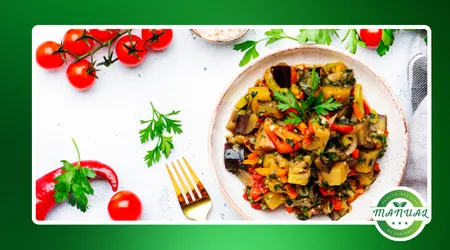
A Italian eggplant caponata It is a dish that transcends time, a jewel of Sicilian cuisine that delights palates around the world.
Adverts
In 2025, we rediscover its layers of flavor, celebrating its versatility and the freshness of the ingredients that comprise it.
More than just a preserve, caponata is an invitation to a sensory journey, a warm embrace of Italian tradition in every bite.
The Soul of Sicily in Every Ingredient
The secret of an authentic Italian eggplant caponata resides in the quality and harmony of its components.
The eggplant, the undisputed star, is hand-picked, usually the purple variety, which has a firmer texture and absorbs seasonings wonderfully.
Adverts
Its soft flesh contrasts with the sweet and sour touch of the sauce.
Preparing the eggplant is crucial to prevent the dish from becoming oily.
An ancient technique involves salting the meat to release excess water, followed by light frying or roasting, preserving its integrity and flavor. This initial step determines the final quality.
Alongside the main star, we find other essential elements that orchestrate the symphony of flavors.
Ripe, juicy tomatoes, sweet caramelized onions, and the refreshing acidity of vinegar create an unmistakable sweet and sour base.
The delicate touch of celery adds a subtle crunch and herbal freshness that balances the richness of the other ingredients.
Olives, whether green or black, bring a characteristic salinity, while capers punctuate the palate with their intense, salty, marine flavor.
Walnuts or pine nuts, when present, add extra texture and a slight bitterness that enriches the complexity of the dish.
A carefully measured pinch of sugar enhances the natural sweetness of the vegetables and balances the acidity, creating the sweet and sour signature that defines caponata.
Read more: Brazilian regional side dishes reinvented
Finishing with fresh basil and, sometimes, chopped parsley, breathes life and aroma into the whole dish, elevating the taste experience to a new level of freshness and vivacity.
Techniques and Variations: The Chef's Personal Touch
The beauty of Italian eggplant caponata also resides in its adaptability.
Each family, each chef, has their own unique way of preparing it, adding touches that reflect their origins and preferences. This diversity enriches the tradition.
Some recipes opt for a longer, slower cooking method, allowing the flavors to meld in a deep and complex way.
Others prefer a quicker preparation, preserving the firmer texture of the vegetables and the liveliness of their flavors. The goal is always the same: achieving perfect balance.
The use of spices also varies. Cinnamon, black pepper, and cloves can be added in small amounts to impart an aromatic note and subtle heat. These details, though subtle, make all the difference in the final perception.
In 2025, the search for sustainable and locally sourced ingredients gains even more momentum.
The appreciation of organic products and those from small producers not only guarantees quality, but also gives even greater meaning to the act of cooking and sharing this special dish.
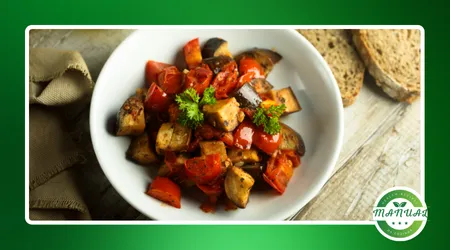
A Journey of Flavors: From the Table to the Palate
Taste a Italian eggplant caponata is to embark on a sensory journey. The aroma emanating from the dish, a blend of sweet, acidic, and herbaceous, is already an irresistible invitation.
The first bite reveals the complexity of the textures: the softness of the eggplant, the light crunch of the celery, the soft touch of the onion.
++ Mashed Yam: A Comforting Recipe
The flavor evolves with each bite, presenting layers that unfold on the palate.
The initial sweetness from the caramelized onion and tomato gives way to the vibrant acidity of the vinegar and capers, followed by the earthy richness of the eggplant.
It is a game of contrasts that complement each other harmoniously.
Caponata can be served as an antipasto, with rustic breads and toast, or as an elegant accompaniment to grilled meats and fish. Its versatility makes it a kitchen staple, capable of elevating any meal.
At social events and family gatherings, the Italian eggplant caponata often takes on the role of star, bringing people together around a plentiful and welcoming table.
Its ability to combine tradition and flavor makes it a link between generations.
Caponata's ability to improve over time is remarkable.
Just like a good wine, its flavors deepen and harmonize as it rests, making the next day's version even more delicious.
++ How to make simple and practical Greek rice
The Importance of Patience and Love in Cooking
Prepare a Italian eggplant caponata It requires more than just following a recipe; it requires patience and dedication.
The process of cooking ingredients slowly, allowing flavors to develop, is an act of love for the cuisine and for those who will be served.
Italian chef Massimo Bottura, known for his innovative approach to tradition, often emphasizes the importance of understanding the story behind each dish.
For him, caponata is not just a combination of ingredients, but a reflection of the culture and resilience of the Sicilian people.
A survey published in the Journal of Culinary Science & Technology in 2024 pointed out that dishes that involve long preparations and ancestral techniques;
Like caponata, they tend to have a positive psychological impact on consumers, evoking feelings of comfort and nostalgia.
The way the ingredients are cut and the order in which they are added to the cooking process also influence the final result.
This attention to detail is what distinguishes an ordinary dish from a gastronomic masterpiece.
++ How to make simple and practical Greek rice
A Italian eggplant caponata is, in essence, a reflection of the Italian culinary philosophy: using fresh, high-quality ingredients, treating them with respect, and allowing their natural flavors to shine.
It is an invitation to simplicity and the celebration of what is genuine.
Think of caponata as an orchestra: each vegetable is an instrument, and the cook is the conductor who, with skill and passion, makes each one sound in perfect harmony.
The result is a melody of flavors that delights the palate.
The versatility of this dish is impressive. It can be a light side dish for a summer barbecue or a hearty component of a winter feast.
How does it adapt so well to different contexts?
++ how to make eggplant caponata
Conclusion: A Timeless Classic for the 21st Century
In an increasingly fast-paced world, Italian eggplant caponata reminds us of the importance of slowing down and appreciating life's simple pleasures.
It is a testament to the richness of Mediterranean cuisine and the genius of its creators.
Whatever your favorite version, the important thing is to keep this tradition alive, adapting it to modern times without losing its essence. Caponata is a constant invitation to discovery and enjoyment at the table.
Frequently Asked Questions
What is the best eggplant for making caponata?
Generally, Italian eggplant with a purple, firmer skin is the best choice, as it absorbs less oil and maintains a good texture after cooking.
Can I make caponata without frying the eggplant?
Yes, you can bake or grill the eggplant slices for a lighter version, although the texture and flavor may vary slightly.
Why is caponata sweet and sour?
The balance between the sweetness of the vegetables (like onions and tomatoes) and the acidity of the vinegar, with a hint of sugar to enhance it, is what gives it its characteristic sweet and sour flavor.
How long can caponata be stored?
Well stored in an airtight container in the refrigerator, caponata can last 5 to 7 days, and its flavor tends to deepen over time.
What are the ideal accompaniments for caponata?
It goes perfectly with rustic breads, toast, grilled meats, fish, cheeses and as a filling for sandwiches.