
How to make simple and practical Greek rice
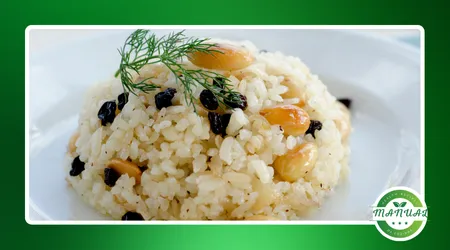
O Pilaf It is one of those dishes that has earned a permanent place on Brazilian tables.
Adverts
Versatile, colorful and full of personality, it combines nutrition and flavor in a single preparation.
In 2025, with the growing demand for practical and healthy meals, this classic becomes even more relevant.
But after all, what makes the Pilaf such a special option?
In addition to being easy to prepare, it allows for countless variations, adapting to vegetarian, vegan, or even low-carb diets.
Adverts
And, contrary to what many people think, it's not just colorful rice – there's technique, balance and history behind this dish.
In this complete guide, we will uncover the secrets of the true Pilaf, from its origin to infallible techniques for a perfect result.
You'll also find creative side dish tips, common mistakes to avoid, and even a souped-up version for those looking for more nutrients.
The (Little-Known) History of Greek Rice
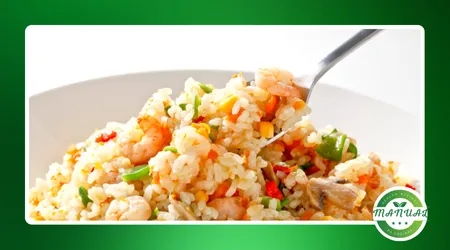
Despite the name, the Pilaf It's not a typical Greek dish. Its origins are linked to Brazilian cuisine, specifically to adaptations of Mediterranean recipes with local touches.
The combination of rice and sautéed vegetables is reminiscent of dishes like the Greek “spanakorizo” (rice with spinach), but the Brazilian version incorporates more accessible ingredients, such as carrots and peas.
++Homemade protein pancake with oats and natural yogurt
In the 1960s and 1970s, the dish became popular in restaurants and at parties, often being served as a side dish for roast meats.
Today, he is a popular guest at family lunches, but few know his story.
An interesting fact: according to culinary historian Ana Luiza Trajano, author of “Flavors of Immigration” (2023), the name “à greca” was a marketing strategy to give the dish a sophisticated air, something common at the time.
Why Is Greek Rice Still Current in 2025?
In a world where time is scarce, recipes that combine practicality and nutrition are valuable.
O Pilaf fits this demand perfectly, as it combines carbohydrates, fiber and vitamins in a single pan.
++Recipe for pasta with sardines, red onion and parsley
A survey by ABIA (2024) showed that 73% of Brazilians prefer dishes that integrate multiple food groups, avoiding very fragmented preparations.
Furthermore, with the increase in flexitarianism (a mostly vegetarian diet, but with occasional meat consumption), this rice gained even more space.
Another factor is its adaptability. It can be made with fresh, frozen, or even leftover vegetables, reducing waste.
For those looking for a higher protein version, just add shredded chicken or tofu.
The Ingredients That Make the Difference Between the Ordinary and the Exceptional
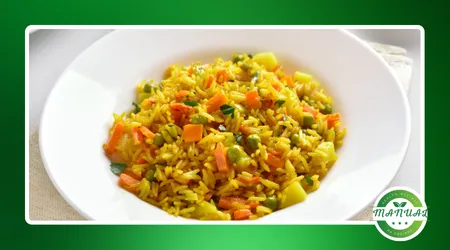
Many believe that any colored rice can be called Pilaf, but the truth is that the details define the dish.
The carrots should be uniformly diced, the peas should be fresh (or of good quality if frozen), and the seasoning should not be neglected.
++Creamy leek pie with buttery pastry
Turmeric or curry powder is what gives it that characteristic golden hue, but don't overdo it – half a teaspoon is enough.
Homemade vegetable broth also makes a difference, as it enhances the flavor without the need for excess salt.
A common mistake is to use only water, which results in rice without depth of flavor.
If you don't have ready-made broth, one tip is to sauté the vegetables first, so they release their juices and create a richer base.
Foolproof Techniques for Perfect Greek Rice
Just as a painter needs to master his brushstrokes, cooking a good Pilaf requires technique.
The first step is to sauté the onion and garlic over medium heat until golden but not burnt.
++Vegetable and cheese pie: a light recipe that's perfect for dinner
Then, add the vegetables and let them cook lightly before adding the rice. This ensures they maintain their texture without becoming too mushy.
The rice should be added next, stirring well to combine all the flavors.
The liquid ratio is crucial: for every cup of rice, use one and a half cups of broth. If you prefer a looser grain, reduce the amount to one and a quarter cups.
Cover the pan and leave on low heat until all the water is absorbed.
The Secret to Flavor: The Final Touch That Makes All the Difference
What makes a good Pilaf in a memorable dish is in the final details.
A drizzle of extra virgin olive oil when serving not only adds shine, but also enhances the flavors with its fruity notes.
For those looking for an interesting contrast, try finishing with Sicilian lemon zest – the acidity cuts through the natural sweetness of the vegetables and balances the dish perfectly.
Read too: Seasoned Rice Made in an Electric Pan (without Oil)
Some chefs even recommend adding chopped walnuts or chestnuts on top, adding crunch and a sophisticated touch.
These small gestures, which take less than a minute, are what separate an ordinary recipe from a truly special gastronomic experience.
Remember: in the kitchen, as in life, it's the last steps that often define excellence.
From Classical to Contemporary
1. Traditional Version (For Purists)
- Sauté 1 onion and 2 cloves of garlic in olive oil.
- Add 1 diced carrot and ½ cup peas.
- Add 1 cup of long rice and 1 ½ cups of vegetable broth.
- Cook over low heat until dry.
2. Updated Version (For Those Who Want to Innovate)
- Replace peas with cooked chickpeas.
- Add pumpkin cubes and chopped spinach.
- Season with curry and a drizzle of olive oil at the end.
Frequently Asked Questions About Greek Rice
1. Can I use brown rice?
Yes, but the cooking time will be longer. Adjust the amount of liquid and cook in a pressure cooker to make it easier.
2. How to prevent rice from getting soggy?
Never stir too much during cooking. Let the steam do its work.
3. Can I freeze it?
Yes, but the vegetables may lose some of their texture. It's recommended to freeze them for no more than 1 month.
Conclusion: A Dish That Unites Tradition and Modernity
O Pilaf It is much more than a simple recipe – it is a symbol of adaptive cuisine, which respects its origins but is not afraid to innovate.
In 2025, it remains relevant precisely because of its ability to reinvent itself, whether in the classic version or in bold adaptations.
Try it, customize it, and discover why this dish continues to win over generations. After all, good food nourishes not only the body but also the emotional memory.