
Home Fermentation: Kimchi, Kombucha, and Other DIY Probiotics

Home fermentation It is more than a gastronomic trend; it is a movement that rescues ancient traditions and promotes health, sustainability and creativity.
Adverts
In 2025, with the search for a more natural and conscious diet, transforming your kitchen into a probiotic laboratory has never been so accessible.
From spicy kimchi to fizzy kombucha, the process of fermenting food at home connects you to science, culture, and the joy of creating something unique.
Why not transform simple ingredients into powerful allies for your intestinal microbiota?
This article delves into the universe of home fermentation, exploring kimchi, kombucha and other probiotics, with practical tips, real facts and inspiration to get started today.
Adverts
A home fermentation It’s not just about taste; it’s an empowering practice. Have you ever stopped to think about the impact of a healthy gut?
Studies show that microbiota influences everything from digestion to mood. Fermenting your own food allows you to control ingredients, avoid industrial additives and customize flavors.
It is also sustainable: it reduces waste and packaging. Here, you will learn how to make kimchi and kombucha, the benefits of probiotics, the necessary precautions and how this ancient practice can transform your relationship with food.
Why Home Brew? The Science and the Taste
Imagine your kitchen as a garden where microorganisms work in harmony. home fermentation It's like cultivating health by transforming sugar into probiotics and enzymes.
A 2024 study by BBC News Brasil highlights that fermented foods, such as kimchi, can strengthen the intestinal microbiota, especially if consumed from an early age.
These live microorganisms help balance intestinal bacteria, improving digestion and immunity.
Plus, fermenting is both economical and creative. You can use leftover vegetables for kimchi or tea for kombucha, reducing waste.
++How to Clean Burnt Pans Effortlessly
The practice also revives cultural traditions, such as Korean kimchi, which is present in almost every meal in Korea. Fermenting at home is an act of caring for the body and the planet.
What if you could create unique flavors without leaving home? home fermentation allows you to experiment, adjusting seasonings and fermentation times.
It's an invitation to curiosity, where each batch is a surprise. Spicier kimchi or kombucha with a hint of mango? It's up to you, and the process is rewarding.

How to Make Kimchi: The Lively Korean Pickle
Kimchi is a fermented dish that carries the soul of Korean cuisine. To make home fermentation With kimchi, start with Swiss chard, turnip greens, salt and pepper.
Cut the Swiss chard, salt it and let it sit for 3 hours. Mix it with a sauce made of garlic, ginger, Korean pepper and fish sauce. Let it ferment for 3 days in an airtight container.
Practical example: Ana, from São Paulo, uses leftover carrots and scallions for her kimchi. She adds gochugaru pepper for a spicy touch.
After a week, the kimchi is vibrant and perfect for serving with rice or tacos. Ana reuses the leftover liquid as seasoning, reducing waste.
See more: Basic Kitchen Cutting Techniques: Master this skill.
Be careful with hygiene: clean utensils prevent contamination. Poorly prepared kimchi can contain E. coli, as in the outbreaks in Korea in 2013.
Use sterilized jars and monitor the smell. Healthy kimchi has a spicy, not rotten, aroma.
A home fermentation with kimchi it's versatile. You can use cauliflower or cucumber, adjusting the flavor.
The process is quick, and the result is a probiotic rich in vitamins B and C. In addition, kimchi adds an exotic touch to everyday dishes.
Kombucha: The Effervescent Tea that is Conquering Brazil
Kombucha is an ancient drink that has won Brazilian hearts. For the home fermentation, you need black or green tea, sugar, and a SCOBY. Boil the tea, add sugar, let it cool, and add the SCOBY. Let it ferment for 7 to 14 days.
For example, João, from Recife, makes kombucha with mate tea and pineapple juice in the second fermentation. He uses glass bottles for natural carbonation.
The result is a refreshing drink with less sugar than soda. João donates surplus SCOBYs, creating a local community.
Attention: the SCOBY needs a clean environment. A study by UFMG warns that kombucha does not have guaranteed probiotic functionality, so moderation is key.
See also: How Thermogenic Foods Can Help You Lose Weight
Consume 200-300 ml per day and observe reactions. Homemade kombucha is safe, but requires caution.
A home fermentation with kombucha is fun and creative. Try flavors like ginger or passion fruit.
The drink contains antioxidants and organic acids, supporting intestinal health. It is a natural alternative to industrialized drinks, with a unique effervescence.
Other DIY Probiotics: Expanding Your Repertoire
In addition to kimchi and kombucha, home fermentation opens doors to other probiotics.
Water kefir, for example, uses grains that ferment sugary water. Sauerkraut, made from cabbage, is simple and rich in lactobacilli. Both are affordable and nutritious.
Take Maria from Belo Horizonte, who makes water kefir with lemon juice. She uses a bottle with an airtight lid for carbonation.
Kefir helps her with digestion, and she shares grains with friends, fostering a network of fermenters.
Be careful with too much sugar. A 2023 study by Chemwatch warns that commercial kombucha can be very high in sugar, so homemade is best.
For kefir or sauerkraut, use fresh ingredients and monitor the pH. An acidic environment (below 4.5) ensures safety.
A home fermentation with these probiotics it's versatile. You can ferment beets or make plant-based yogurt.
Each recipe is an opportunity to nourish the body and explore flavors, with proven benefits for the microbiota.
Care and Tips for Safe Fermentation
Fermenting at home is safe, but requires caution. Use glass jars, as plastic can release toxins. Sterilize utensils to avoid contamination. A clean environment is essential for home fermentation.
Monitor the fermentation time. Kimchi can be ready in 3 days, but kombucha can take weeks.
A pH below 4.5 prevents pathogens. Store fermented foods in the refrigerator to slow down the process and preserve flavor.
A home fermentation It's like conducting an orchestra of microorganisms. One mistake, like a dirty pot, can throw the symphony out of balance.
Follow trusted recipes and watch for signs of mold or strange smells.
For example, never let kombucha ferment in metal containers; the acid can react with the metal.
Use thermometers to maintain the ideal temperature (20-30°C). Small precautions ensure delicious and safe results.
Benefits and Impacts of Home Fermentation
A home fermentation promotes gut health and sustainability. A 2024 study by ResearchGate highlights that kombucha made with fruit by-products reduces waste.
Probiotics strengthen immunity and digestion. See the benefits in the table below:
| Fermented Food | Benefits | Fermentation Time |
|---|---|---|
| Kimchi | Rich in vitamins B and C, probiotics | 3-7 days |
| Kombucha | Antioxidants, gut health | 7-14 days |
| Water kefir | Low in lactose, rich in probiotics | 1-3 days |
| Sauerkraut | Lactobacilli, improves digestion | 1-4 weeks |
Fermenting reduces the consumption of ultra-processed foods. In 2024, 60% of Brazilians were looking for natural alternatives, according to Nielsen. home fermentation meets this demand, offering control and quality.
Plus, it’s a rewarding hobby. You create live, flavorful foods while reducing your environmental impact. Fermenting is a celebration of the connection between science, culture, and health.
How to Get Started: A Practical Guide for Beginners
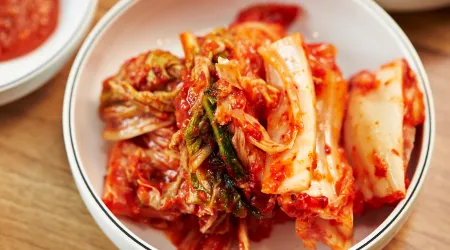
Ready to dive in home fermentation? Start with kimchi: it's simple and quick.
Purchase a kombucha SCOBY from online groups or specialty stores. Use fresh ingredients and sterilized glass jars.
Test small amounts first. For kombucha, use 1 liter of tea and 100g of sugar. For kimchi, 500g of Swiss chard is enough. Adjust the flavor over time. Patience is key.
Join fermentation communities. Facebook or WhatsApp groups offer tips and donations of SCOBYs or kefir grains. home fermentation It's more fun in community.
Conclusion: Turn Your Kitchen into a Living Laboratory
A home fermentation is a journey of discovery, health and creativity. Kimchi, kombucha and other DIY probiotics connect you to tradition and science.
In 2025, with the growing search for well-being, fermenting is an act of self-care and environmental care.
Start small, experiment with flavors, and celebrate the microorganisms that transform your food. How about bringing your kitchen to life today?
Frequently Asked Questions
1. Is it safe to ferment at home?
Yes, as long as you follow hygiene practices, use sterilized jars and monitor the pH and fermentation time.
2. Where can I get SCOBY for kombucha?
Look for online donation groups, such as on Facebook, or shop at health food stores.
3. How long does it take to ferment kimchi?
About 3 to 7 days, depending on temperature and desired flavor.
4. Can I use any sugar in kombucha?
White, crystal or demerara sugar are ideal. Avoid honey or artificial sweeteners.
5. Are homemade fermented foods better than industrialized ones?
Yes, you control the ingredients, avoid additives and customize flavors, but it requires hygiene care.