
Recipe for traditional Minas Gerais angu
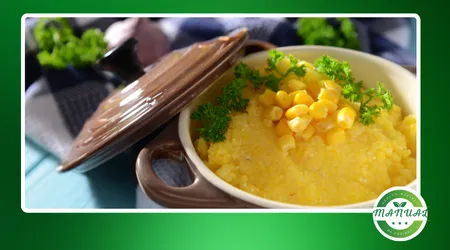
If you are looking for a Minas Gerais cornmeal recipe authentic, know that the secret is in the details: fresh corn, just the right amount of seasoning and patience at the stove.
Adverts
O Minas Gerais cornmeal It's more than a typical dish—it's a warm embrace of Brazilian cuisine, a gastronomic heritage that spans centuries.
Originating from Minas Gerais, this simple food carries history, affection and nutrition in its creamy consistency.
But why has this humble dish won over generations? The answer lies in its simplicity and its ability to transform basic ingredients into something comforting.
In a country marked by cultural diversity, the Minas Gerais angu stands out as a symbol of resistance in traditional cuisine.
Adverts
The Minas Gerais Angu Recipe: Roots and Meaning
Angu arrived in Brazil with the Portuguese colonizers, but it was in Minas Gerais that it gained its unique identity.
In the 18th century, it was an essential food for cattle drivers and slaves, serving as an energy base for long journeys.
Over time, it became part of Minas Gerais culture, present at June festivals, Sunday lunches and even religious celebrations.
Today, angu is more than a colonial legacy—it is a dish that represents the resilience of the people of Minas Gerais.
In cities like Ouro Preto and Diamantina, you can still find angu made on a wood stove, following techniques passed down from mother to daughter.
This oral tradition keeps alive a recipe that could have been lost in time.
Why has the Minas Gerais Angu recipe stood the test of time?
In a world of fast food and ultra-processed foods, cornmeal survives as a symbol of cultural resistance.
Data from the Brazilian Institute of Geography and Statistics (IBGE) show that 681,000 people from Minas Gerais still prepare traditional dishes weekly, and cornmeal is among the most consumed.
Its versatility allows it to be served with a variety of side dishes, from succulent meats to sautéed vegetables.
++How to use the oven correctly: mistakes you should avoid
The secret to its permanence lies in affection. Imagine a dish that unites generations: grandparents teaching grandchildren how to stir the iron pot, while telling stories from the countryside.
This analogy defines angu—a link between past and present, between the simplicity of the countryside and the sophistication of contemporary cuisine.
Ingredients that Make a Difference to make a perfect Minas Gerais angu recipe
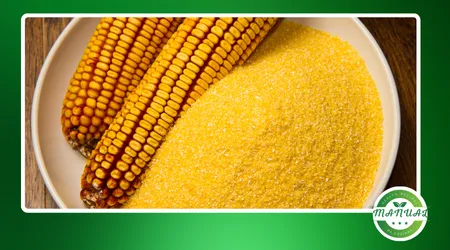
A Minas Gerais cornmeal recipe Traditionally, it only requires three basic ingredients: cornmeal, water and salt. But the magic lies in the execution and the quality of the ingredients.
++Recipes for those who live alone and want practicality
- Fresh cornmeal: Choose artisanal brands, such as those sold at local markets. Freshly ground cornmeal guarantees a more intense flavor and a velvety texture.
- Mineral water: Improves taste compared to treated water, which can contain chlorine and alter the final taste.
- Pink or coarse salt: Enhances flavor without adding bitterness. Common refined salt can leave the cornmeal with a metallic taste.
NOTE: Avoid ultra-refined cornmeal—the texture is less authentic and it loses some of its nutritional value.
The Step-by-Step Process (No Rush)
- Touch the water to the fire until it boils. The ideal ratio is 3 cups of water to 1 cup of cornmeal.
- Dissolve the cornmeal in cold water to avoid lumps. This technique, called “breaking up the cornmeal,” is essential for a smooth cornmeal.
- Pour slowly in a hot pan, stirring constantly in circular motions. The consistency should resemble thick porridge.
- Lower the heat and cook for 40 minutes, until creamy. Stir every 5 minutes to prevent it from sticking to the bottom.
Master tip: Use a wooden spoon to stir—metal can alter the flavor and even cause oxidation.
Creative Variations (Without Losing the Essence)
Who said that cornmeal always has to be the same? The Minas Gerais tradition allows for adaptations that respect the base but bring new flavors.
++Marble cake recipe that mixes vanilla and chocolate in just the right amount
- Angu with curd cheese: Melt cubes in the still-hot dough. The contrast between the creamy cornmeal and the melted cheese is irresistible.
- Spicy cornmeal: Add chopped chili peppers for a spicy touch. Ideal for those who like a dish with personality.
These adaptations modernize the dish, but the base remains unbeatable.
Hidden Nutrition nThe Minas Gerais cornmeal recipe
Angu is rich in complex carbohydrates and fiber—ideal for those seeking sustainable energy. A 100g serving provides:
| Nutrient | Quantity (100g) |
|---|---|
| Carbohydrates | 22g |
| Fibers | 2.1g |
| Proteins | 1.8g |
Source: Brazilian Food Composition Table (TACO).
Mistakes That Ruin Your Angu
- High fire: It burns the bottom and leaves a bitter taste. The cornmeal requires low heat and patience.
- old cornmeal: It loses moisture and becomes a dry mass. Always check the manufacturing date.
- Move a little: It forms lumps that are difficult to correct. The secret is consistency.
Angu in Minas Gerais Culture
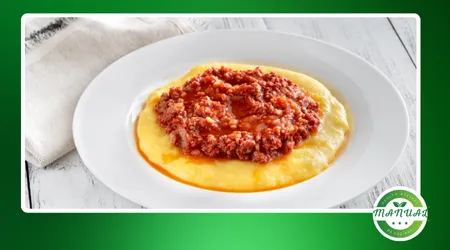
In Minas Gerais, angu is served with tutu, feijão tropeiro or sausage. But its versatility allows for unusual combinations, such as homemade tomato sauce.
Example: At the restaurant Xapuri, in Belo Preto, the angu is served with grilled okra—a combination that surprises even the most demanding palates.
Why Does This Recipe Work in 2025?
In times of artificial intelligence and delivery, cooking angu mineiro is an act of resistance. According to chef Ana Luiza Trajano, author of Flavors of Brazil, “root food reconnects people with their origins.”
Conclusion: Angu Mineiro as an Affective and Cultural Heritage
Master the Minas Gerais cornmeal recipe It goes beyond following cooking instructions – it’s a dive into Brazilian gastronomic identity.
This humble dish, born out of necessity, has become a symbol of cultural resistance, keeping alive the connection between the rural past and contemporary times.
In a scenario where food is becoming increasingly standardized and industrialized, the Minas Gerais angu represents exactly the opposite: the appreciation of the slow process, the pure ingredient and the act of cooking as an expression of care.
It is no coincidence that research by the Food Culture Observatory shows that 721% of Brazilians associate traditional dishes like this with emotional family memories.
The true Minas Gerais angu is not only measured by its taste, but by the experience it provides.
Check out this interesting recipe: Angu mineiro with cheese: tradition and flavor
From the ritual of patiently stirring the pot to the moment of sharing the meal, it strengthens bonds and preserves ancestral knowledge.
Anyone who has had the privilege of tasting an angu cooked on a wood-fired stove on rural properties in Minas Gerais understands that it is a true lesson in the value of simplicity.
May this recipe not only satisfy your hunger, but also inspire a reconnection with our gastronomic roots. After all, as the saying goes: “food without history is just fuel.”
The Minas Gerais angu, with its cozy texture and striking flavor, proves that the best dishes are those that feed both the stomach and the emotional memory.
When preparing your next Minas Gerais cornmeal recipe, remember: you are not just cooking, but perpetuating a cultural legacy.
We invite you to try it, adapt it to your reality and, most importantly, share it – because traditions only survive when they are lived and passed on. Enjoy your meal and may the taste of tradition continue to nourish us for many generations!
Frequently Asked Questions
1. Can I use packaged cornmeal or does it need to be fresh?
Packaged cornmeal works, but fresh cornmeal provides better texture and flavor.
2. What is the best pan for making cornmeal?
An iron pan or thick bottom prevents burning.
3. Can I freeze the cornmeal?
Yes, but it loses some of its creaminess. Reheat with a little water.
4. How long does it last in the fridge?
Up to 3 days if properly stored.
5. Can I add other seasonings?
Yes, sautéed garlic and onion add a special touch.