
How to use the oven correctly: mistakes you should avoid
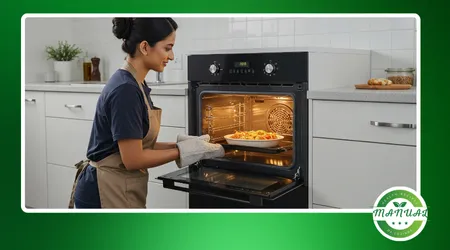
Using the oven correctly is essential for tasty and safe dishes. Mastering this appliance transforms your kitchen, but common mistakes can compromise results.
Adverts
Want to know how to avoid cooking disasters? This detailed guide explores techniques, care and practices to get the most out of your oven.
Based on up-to-date information, practical examples and a dash of creativity, you will learn to cook with confidence.
Let's dive into the secrets of a well-used oven, avoiding pitfalls that even experienced cooks face.
The kitchen is the heart of the home, and the oven is its beating engine. However, many people use it without knowing its nuances, resulting in poorly prepared dishes.
Adverts
This article isn’t just about recipes, it’s about technique and awareness. We’ll address common mistakes, offer practical tips, and ensure your cooking experience is elevated.
Get ready to take notes, because these tips will revolutionize your relationship with the oven!
Why Does the Oven Require Attention?
The oven is a versatile piece of equipment, but it requires precision. Using the oven correctly means understanding their functions, such as convection and grill. Ignoring this leads to errors.
For example, baking a cake on the wrong rack can burn the top. Knowing your appliance is the first step to consistent results.
Each oven has its own characteristics. Gas models heat differently than electric ones. Checking the manual will help you adjust the times and temperatures.
++ How to properly clean your cutting board
Beginner cooks often skip this step, leading to frustration. Take the time to study your equipment and avoid surprises.
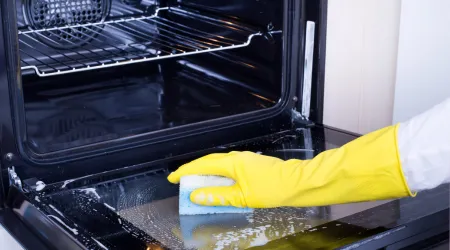
Furthermore, maintenance is crucial. A dirty oven compromises taste and safety. Clean regularly to avoid burnt residue.
A well-maintained oven guarantees dishes with better texture and aroma, elevating your cooking.
Common Mistakes When Using the Oven Correctly
1. Skipping Preheating
Preheating is essential for use the oven correctly. Placing food in a cold oven changes the cooking time. This affects cakes and meats.
According to Electrolux (2023), users' 70% do not preheat properly, compromising results. Always wait for the temperature signal.
See more: Difference between baking, grilling and sautéing: understand the methods
A practical example: baking bread without preheating it results in a tough crust. The initial heat sets the structure of the dish. Set the oven 10-15 minutes in advance. Patience here is synonymous with quality.
Another issue is rushing. Many people open the oven during preheating, which causes heat to be lost. Keep the door closed for energy efficiency and better results.
2. Choosing the Wrong Grid Position
The position of the rack influences cooking. Using the oven correctly requires knowing where to position the baking sheet. Upper racks are ideal for browning.
Center racks ensure even heat, perfect for cakes. Lower racks are best for slow roasts.
Imagine baking a pizza on the top rack. The top burns while the bottom stays raw. Adjust the rack to suit your dish. Test different positions for new dishes and record the results.
See too: How to do mise en place and speed up recipes
A common mistake is to use multiple racks at once without adjusting the time. This blocks air circulation. If necessary, rotate the baking sheets for even baking.
3. Not Adjusting the Temperature for Convection
Convection ovens distribute heat evenly. Using the oven correctly with convection requires reducing the temperature by 10-15°C.
Many people ignore this, burning their dishes. Check if your oven has this function and adjust the recipes accordingly.
For example, a chicken roasted at 180°C in convection cooks faster. Without adjustment, it dries out. Consult the manual to understand the settings for your model.
Another precaution is to avoid overcrowding the oven in convection mode. The air needs to circulate freely. Spread the food out for better results and texture.
How to Optimize Oven Usage
1. Use Appropriate Utensils
The material of the baking tray impacts the cooking process. Using the oven correctly involves choosing the right pans. Aluminum conducts heat quickly, ideal for cookies. Glass retains heat, perfect for lasagna.
For example, baking brownies in glass pans will ensure crispy edges. Dark pans absorb more heat and can burn. Try different materials for each recipe.
| Material | Best Use | Care |
|---|---|---|
| Aluminum | Cookies, cakes | Avoid acids |
| Glass | Lasagnas | Thermal shock |
| Ceramics | Slow Roasts | Heat gradually |
2. Track Time Accurately
Timing is vital for use the oven correctly. Timers prevent disasters. Use an external timer for more control. Recipes vary, so adjust accordingly.
For example, a cake may take 25 minutes in one oven but 30 in another. Test with a toothpick to make sure it's done. Make adjustments for future recipes.
Avoid opening the oven constantly. Each opening reduces the temperature by up to 25°C. Use the interior light to check the progress and maintain the heat.
3. Use Residual Heat
For example, when you’re browning pasta, turn off the oven 5 minutes beforehand. The residual heat will brown the cheese perfectly. Plan your time to take advantage of this technique.
Residual heat is also great for warming bread. Place it in the turned-off oven for a few minutes. It’s both economical and effective.
Myths and Truths about the Oven
1. “All Ovens Cook the Same”
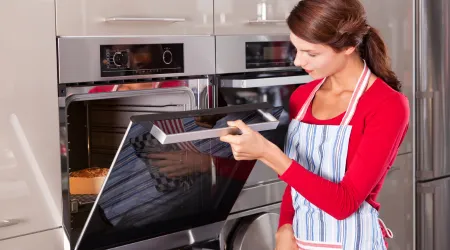
Each oven has unique characteristics. Using the oven correctly requires testing. Gas ovens can have hot spots, while electric ovens are more uniform. Adjust recipes according to your model.
For example, a gas oven may require rotating the baking tray. Electric ovens require fewer adjustments. Know your appliance to avoid mistakes.
Testing is key. Bake a simple cake and observe the results. This reveals how your oven distributes heat and guides future adjustments.
2. “Covering with Aluminum Foil Always Helps”
Aluminum foil can protect, but using it incorrectly can cause problems. Using the oven correctly means covering only when necessary, as in long bakes. Covering cakes can moisten the surface.
For example, when roasting a turkey, cover it only at the beginning. Remove the foil as it browns. Use it strategically to control the cooking process.
Another precaution is to avoid contact with acidic foods. Aluminum can react with tomatoes, altering their flavor. In some cases, use parchment paper instead.
Extra Tips for Success
1. Calibrate Your Oven
Unregulated ovens compromise recipes. Using the oven correctly includes checking the temperature with an oven thermometer. Many ovens vary up to 20°C. Adjust if necessary.
For example, if the thermometer reads 170°C instead of 180°C, compensate by increasing the temperature. Calibrate annually for accuracy.
Specialty stores offer affordable thermometers. This small investment avoids frustration and ensures dishes are cooked to perfection.
2. Experiment with Convection
Convection is a powerful resource. To use the oven correctly, try it in different dishes. It reduces cooking time by up to 25%. Ideal for crispy roasts.
For example, French fries in a convection oven will be crispier. Adjust the time to avoid drying out. Test with small batches first.
Remember: Not all dishes benefit from convection. Delicate cakes can dry out. Use the traditional setting for these recipes.
Analogy: The Oven as a Conductor
Think of your oven as a conductor conducting an orchestra. Each setting—temperature, rack, time—is a note. Play them in harmony for a perfect symphony.
One mistake, like opening the door at the wrong time, throws everything out of tune. Using the oven correctly is to conduct with precision, ensuring that each dish shines.
Frequently Asked Questions
How do I know if my oven is at the right temperature?
Use an oven thermometer to check. Ovens vary, and calibration ensures accuracy. Test regularly.
Can I open the oven during cooking?
Avoid. Each opening reduces the temperature, affecting the result. Use internal light to monitor.