
Difference between baking, grilling and sautéing: understand the methods
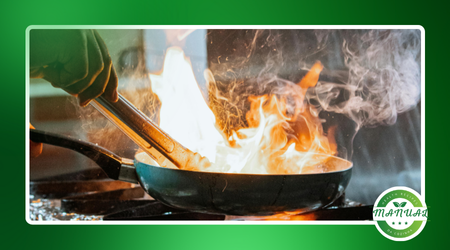
Know the difference between baking, grilling and sautéing is what separates a functional cook from a true culinary artist.
Adverts
Each technique alters not only the texture and flavor, but also the nutritional value of the food, requiring different equipment and varying levels of skill.
While the oven works with indirect and constant heat, ideal for prolonged cooking, the grill requires extra attention to direct and intense heat.
Sautéing, often underestimated, is the basis of countless recipes, transforming raw ingredients into complex aromatic bases in a matter of minutes.
But how do you choose the ideal method for each preparation? And how do you extract maximum flavor without compromising nutritional quality?
Adverts
Roasting: the alchemy of indirect, even heat
Baking is like conducting an orchestra – it requires patience, precise timing and a deep understanding of how heat acts on different ingredients.
In this method, the food is surrounded by hot air at a constant temperature, allowing cooking to occur gradually and evenly.
Roasted meats develop golden crusts while maintaining internal juiciness, thanks to the slow breakdown of collagen fibers.
Vegetables like pumpkin and beetroot reveal intensified natural sweetness, while breads and cakes achieve textures impossible with other techniques.
A recent study by the Faculty of Pharmaceutical Sciences at USP (2024) demonstrated that roasting broccoli at 180°C preserves up to 30% more vitamin C compared to boiling, as it minimizes contact with water.
Try roasting a head of garlic with olive oil: after 40 minutes in a medium oven, the cloves will turn into a creamy, sweet paste, perfect for spreading on bread or enriching sauces.
For proteins, a meat thermometer is essential – a leg of pork reaches perfection at an internal temperature of 92°C, when the collagen converts into succulent gelatin.
Grilling: the art of direct fire and perfect marks
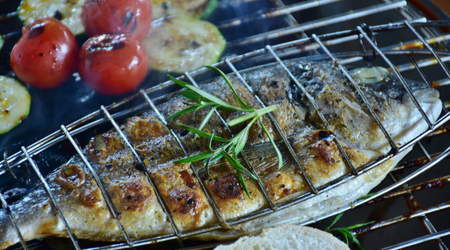
Grilling is the most primal and spectacular culinary technique, where direct contact with ultra-hot surfaces creates chemical reactions that are impossible to replicate.
The famous Maillard reaction responsible for surface browning and development of hundreds of aromatic compounds occurs fully above 150°C. T
temperature easily reached on professional grills.
Meats with good fat marbling are ideal, as they self-strain during the process, while firm fish like salmon withstand handling without falling apart.
Pro tip: Let the grill heat up for 10-15 minutes before using, and clean with a wire brush immediately after each use to prevent carbon buildup.
Surprisingly, grilled fruit reveals unsuspected potential – try pineapple slices with cinnamon for 2 minutes on each side, served with coconut ice cream for a sublime thermal contrast.
According to the Brazilian Food Industry Association (ABIA, 2025), 68% of Brazilians prefer to grill meat in the summer;
Taking advantage of barbecues and balconies, while in winter only 32% maintain the habit.
Read more: Drinking Lemon Water on an Empty Stomach: What Really Changes in Your Body?
Sautéing: the invisible foundation of great cuisine
The stew is the forgotten foundation of countless iconic dishes, from risotto to feijoada, to sophisticated sauces and comforting stews.
Unlike previous techniques, here the temperature control is dynamic – we start at medium-high heat to brown, lower it to cook, and adjust it as the ingredients evolve.
The order of addition is crucial: onions first (5-7 minutes to caramelize), then garlic (30 seconds to avoid bitterness), followed by vegetables in order of hardness.
Professionals use the French term “mirepoix” for the classic combination of sautéed onion, carrot, and celery—the triad that forms the basis of 70% Western sauces, according to the Institut Culinaire Français (2024).
For one perfect mushroom stew, start on high heat to evaporate the released water, then reduce to develop deep flavors – the entire process should not exceed 8-10 minutes.
Combined techniques: when to use more than one method
The best chefs often combine techniques for results impossible to achieve with a single method.
The “reverse sear” for meats – first roasting at a low temperature until desired doneness, then grilling quickly to create a crust – ensures perfection from the center to the surface.
Vegetables can be lightly sautéed before placing in the oven, reducing the total cooking time and preserving texture.
A pro secret: Sauté onions until translucent, add uncooked rice and stir until pearly before adding cooking liquid – each grain will be fluffy and flavorful.
+ Pasta with garlic butter: simple and delicious
Comparison table: heat, time and result
| Method | Temperature Range | Average Time | Nutritional Effect | Best For |
|---|---|---|---|---|
| To roast | 150–220°C | 30min–4h | Preserves fat-soluble vitamins | Tough meats, vegetables rich in sugar, breads |
| Grill | 200–300°C+ | 2–15min | Reduces fat by dripping | Marbled meats, firm vegetables, fruits |
| Sauté | 120–180°C | 5–15min | Maintains fibers and volatile compounds | Dish bases, tender vegetables, quick preparations |
Nutritional Impact: Beyond Taste
The cooking method significantly alters the bioavailability of nutrients while beta-carotene from roasted carrots is more absorbable;
Lycopene from sautéed tomatoes becomes up to 4x more available, according to a study by UNICAMP (2023).
Over-grilled meats can develop polycyclic aromatic hydrocarbons (PAHs), while slow roasting minimizes this formation.
Quick stir-frying preserves vitamin C in peppers and broccoli, but requires high-temperature stable oils like extra-virgin olive oil or avocado oil.
Common mistakes and how to avoid them
Baking without preheating the oven results in uneven cooking – always wait 20-30 minutes for the temperature to stabilize.
Grilling cold meat from the refrigerator creates an excessive thermal gradient – let it rest for 30 minutes at room temperature first.
Sautéing in cold or overcrowded pans results in cooking rather than browning – use preheated pans and space between ingredients.
+ Northeastern couscous: a great side dish for lunch
Frequently Asked Questions
Which method preserves more nutrients?
It depends on the food: roasting is ideal for fat-soluble vitamins (A, D, E, K), while quick sautéing preserves vitamin C and heat-sensitive compounds.
Can I grill without fat?
On professional non-stick grills, yes, but a thin layer of oil helps with heat transfer and crust formation.
Why does my stew turn out watery?
Too many ingredients lower the pan temperature – sauté in smaller batches or increase the heat to evaporate liquids.
How do you know when each technique is the best choice?
Roast for depth of flavor and tender textures, grill for quick sears and intense flavors, sauté for aromatic bases and quick everyday preparations.
Conclusion: Elevating everyday cooking to art
Master the difference between baking, grilling and sautéing transforms the relationship with food, allowing you to extract the maximum potential from each ingredient.
From homemade bread that fills the house with aromas to the perfect steak with its diagonal marks, or the stir-fry that gives soul to simple rice – each method has its ideal time, temperature and application.
Real cooking does not follow recipes blindly, but understands the principles behind each technique, adapting them to ingredients, occasions and palates.
How about starting a new culinary challenge today?
Maybe it’s a roasted vegetable with unusual spices, or your first attempt at grilling seafood, or even sautéing with homemade flavored oils.
The best dishes come from a deep understanding of these fundamentals – and now you have the keys to exploring them to their full potential.