
Black-eyed pea vinaigrette: nutritious and delicious
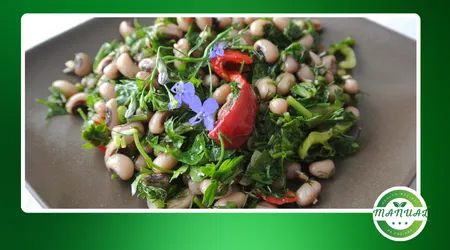
O black-eyed pea vinaigrette It's much more than just a salad—it's a dish full of personality, capable of transforming everyday meals into gastronomic experiences rich in nutrients and flavor.
Adverts
While black-eyed peas traditionally appear in recipes such as acarajé or baião de dois, their vinaigrette version offers freshness, practicality and a modern touch.
But what makes this dish a smart choice? In addition to being an excellent source of vegetable protein, fiber and minerals, it adapts to different tastes and occasions, from a quick dinner to a sophisticated side dish for barbecues.
Have you already explored the full potential of this ingredient?
Why Are Black-Eyed Peas a Superfood?
Black-eyed peas, also known as string beans or cowpeas, are one of the most nutritious foods in Brazilian cuisine.
Adverts
Rich in protein (about 8g per 100g), it is a great option for vegetarians and vegans. In addition, it contains iron, magnesium and potassium, essential minerals for the proper functioning of the body.
A study published by Embrapa (2024) revealed that regular consumption of black-eyed peas can help reduce bad cholesterol (LDL), thanks to its high concentration of soluble fiber.
But that's not all: its low glycemic index makes it ideal for those looking for sustainable energy, without blood sugar spikes.
Compared to other types of beans, black-eyed peas have a firmer texture, which makes them perfect for salads and vinaigrettes, as they don't fall apart easily.
Another advantage is its versatility. While black or carioca beans dominate traditional dishes, black-eyed beans make room for more daring creations, combining well with tropical ingredients such as mango, pineapple and even coconut.
++Recipe for traditional Minas Gerais angu
And for those who care about sustainability, black-eyed peas are a great choice.
It is drought resistant and can be grown in less fertile soils, making it a more ecological option than other legumes.
The Science Behind Black-Eyed Pea Vinaigrette
The secret of a good black-eyed pea vinaigrette is in the balance between acidity, freshness and crunchiness.
When combined with ingredients like lemon, vinegar or even green mango, the beans gain a contrast of flavors that enhance their naturally earthy profile.
Adding vegetables like bell peppers, red onions, and cilantro not only improves the nutritional value, but also increases the bioavailability of certain nutrients—like iron, which is better absorbed in the presence of vitamin C.
++Recipe for steak with onions and fluffy rice
And we can't forget the importance of good fats. A drizzle of extra virgin olive oil not only adds harmony to the dish, but also helps in the absorption of fat-soluble vitamins (A, D, E and K).
The marinating process also plays a scientific role. When cooked beans are left to marinate for a few hours, the flavors are better integrated, creating a more complex taste experience.
Furthermore, the combination of fiber from beans and vegetables creates a slow-digesting dish, ideal for keeping you feeling full for longer and avoiding binge eating.
How to Make the Perfect Black-Eyed Pea Vinaigrette?
The first step is to cook the beans correctly. They should be al dente—not too hard, not too soft.
Cooking it with a bay leaf and a clove of garlic in the water adds extra flavor. Once ready, drain and let cool before mixing in the other ingredients.
++How to make flavorful steamed vegetables
For one black-eyed pea vinaigrette Classic, chop cherry tomatoes, red onion and bell pepper into small cubes. Add parsley, cilantro and a touch of chili pepper for a light spiciness.
The seasoning should be simple: salt, black pepper, olive oil and Sicilian lemon juice. If you prefer a sweeter touch, a pinch of honey or brown sugar can balance the acidity.
A pro trick is to add the seasoning while the beans are still warm – this helps them absorb the flavors better.
And for those who like to experiment, a teaspoon of Dijon mustard or a little grated ginger can bring extra layers of flavor to the dish.
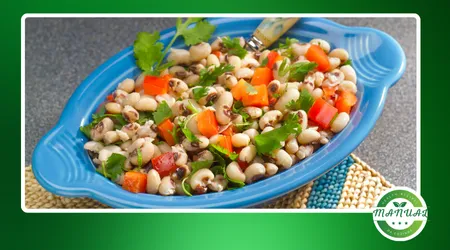
Black-Eyed Pea Vinaigrette with Avocado
For a creamier, more nutritious version, add diced avocado.
The monounsaturated fat in avocado not only improves satiety, but also enhances the absorption of antioxidants present in the dish.
This variation is perfect to serve with grilled fish or as a filling for tacos.
The avocado should be added at the time of serving so that it does not oxidize and darken the dish.
For an interesting contrast, try using slightly unripe avocado, which holds its shape better in the salad.
Vinaigrette with Fresh Herbs and Nuts
Want a sophisticated touch? Add fresh basil, mint and chopped nuts.
The herbs bring freshness, while the nuts ensure crunchiness and a bonus of healthy fats.
Ideal to accompany white meats or as a main course in light meals.
To intensify the flavors, try lightly toasting the nuts before adding them to the dish.
An interesting variation is to replace the chestnuts with pecans or toasted pumpkin seeds.
Nutritional Table of Black-Eyed Peas (Per 100g Cooked)
| Nutrient | Amount | % VD* |
|---|---|---|
| Calories | 116 kcal | 6% |
| Proteins | 8 g | 16% |
| Fibers | 6 g | 24% |
| Iron | 2.5 mg | 14% |
| Magnesium | 45 mg | 11% |
*Daily Values are based on a 2,000 kcal diet. Source: TACO (2024).
Storage and Durability Tips
O black-eyed pea vinaigrette can be kept in the refrigerator for up to 3 days.
To maintain freshness, store in an airtight glass jar and add the olive oil and lemon only when ready to serve.
If you prefer to freeze, do so only with cooked beans—the vegetables should be added after thawing.
See more: Black-eyed peas: a giant among vegetable proteins
For those who prepare large quantities, a tip is to separate into individual portions before freezing.
And remember: always let beans cool completely before storing to prevent excess moisture from forming.
Frequently Asked Questions
1. Can I use canned beans instead of home-cooked beans?
Yes, but wash well to remove excess sodium. Homemade beans still have a better texture and flavor.
2. Is black-eyed pea vinaigrette fattening?
No, when consumed in moderation. It is a balanced dish, rich in fiber and protein, which helps control appetite.
3. Can I replace the black-eyed peas with another type?
Yes, but black-eyed peas have a unique texture. White or black beans can be alternatives, but they alter the final flavor.
4. How to make beans softer without them falling apart?
Soak for 8 hours before cooking and use a pressure cooker for 15-20 minutes.
5. Can I make a low-carb version of this dish?
Yes, just reduce the amount of ingredients like onion and tomato, increasing the green leaves.
Conclusion: A Dish that Unites Tradition and Modernity
O black-eyed pea vinaigrette is proof that healthy food can be tasty, versatile and affordable.
Combining nutrition, practicality and a touch of creativity, it becomes a wild card in the kitchen—whether for everyday meals or special occasions.
How about trying one of the variations suggested today and surprising your taste buds?