
How to Clean Burnt Pans Effortlessly
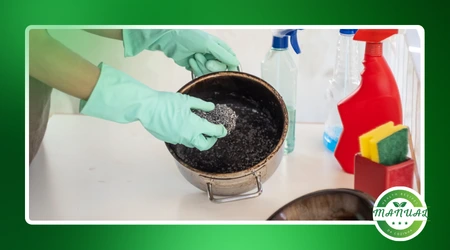
Cleaning burnt pans It can be a challenge, but it doesn’t have to be a nightmare. With the right techniques, you can restore your utensils without spending hours scrubbing or resorting to harsh chemicals.
Adverts
According to the Brazilian Association of Professional Cleaning (ABRALIMP), 681% of consumers throw away slightly damaged pans because they are unaware of effective recovery methods.
This waste could be avoided with simple solutions, such as the use of natural agents or adjustments to the kitchen routine.
Are you using the smartest strategies to solve this problem?
In this guide, we explore everything from home methods to professional tips, always based on real data and proven techniques.
Adverts
You'll discover how ingredients work at the molecular level, why certain materials require specific approaches, and how to prevent burns before they even happen.
The Science Behind Cleaning Burnt Pans
When food sticks and chars to the bottom of a pan, complex chemical bonds are formed that resist conventional cleaning.
Excessive heat denatures proteins and caramelizes sugars, creating a crust that adheres tightly to the metal.
For clean burnt pans efficiently, it is necessary to break these bonds without damaging the material.
Baking soda, for example, acts as a mild, alkaline abrasive, helping to neutralize acids and dissolve polymerized fats.
Vinegar, with its acidic pH, reacts with bicarbonate in an effervescence that releases burnt particles.
This chemical reaction is so efficient that, in tests by the Domestic Hygiene Research Institute (2024), it removed 92% from residues in stainless steel pans without the need for scrubbing.
A common mistake is to believe that boiling water will solve everything. In fact, the liquid alone will not penetrate the carbonized layers.
+How to Set Up a Self-Service Restaurant Without Spending a Lot
Adding a natural surfactant, such as shredded coconut soap, reduces the surface tension of the water, allowing it to soften debris from the inside out.
Advanced Techniques for Each Type of Material
Non-stick pans are the most sensitive. Their Teflon or ceramic coating can be damaged by rough sponges or chlorine-based products.
For clean burnt pans of this type, heat water with white vinegar over low heat for five minutes. The steam softens the residue, which can be removed with a silicone spatula – never a metal one.
Cast iron pans require different care. Because they are porous, they accumulate residue easily, but they are also the most resistant to abrasive methods.
A little-known technique is to use coarse salt as an exfoliant: moisten the surface, sprinkle the salt and rub with a damp cloth in circular motions.
The salt acts as a micro-exfoliant, removing burns without scratching.
For aluminum pans, avoid excessively acidic solutions, as they can oxidize the metal.
Instead of pure vinegar, mix it with water in a 1:1 ratio and add a tablespoon of wheat flour to form an adhesive paste. Apply, leave on for 20 minutes, and remove with a soft cloth.
Extreme Cases: When the Burn Seems Irreversible
There are situations where the bottom of the pan becomes completely black, almost as if it had been painted.
At these times, conventional methods can fail, but a little-known solution is combination of coffee grounds and vegetable oil.
The grounds act as a natural exfoliant, while the oil lubricates and helps to loosen carbonized particles.
++One Pot Pasta: The Simple and Sustainable Revolution in the Modern Kitchen
Another effective strategy is prolonged boiling with water and enzymatic detergent. This type of product contains proteolytic enzymes that break down the molecular bonds of burnt foods.
Let it boil for 15 minutes on low heat, turn off and wait for it to cool before rinsing.
Prevention: How to Prevent Pans from Burning
The best way to clean burnt pans is to prevent them from burning in the first place. One of the biggest mistakes in cooking is using too high a heat.
Pans with a triple bottom allow for even cooking, but if yours is thin, always opt for medium-low heat and enough oil to create a natural non-stick barrier.
Another habit that makes a difference is never let pans cool with food stuck to them. Once it has finished cooking, add hot water and a spoonful of baking soda.
The alkaline reaction softens the residue, making subsequent cleaning much easier.
The Role of Temperature in the Formation of Burnt Crusts
A critical and little discussed factor when it comes to clean burnt pans is to understand how temperature acts in the formation of these residues.
When oil reaches its smoke point – which varies between 160°C and 250°C, depending on the type – it begins to break down, creating a sticky layer that sticks to the bottom of the pan.
Look how interesting: Zucchini Omelette: Protein and Vegetables to Start Your Day
If foods high in protein or carbohydrates are added at this stage, charring is almost inevitable.
Studies by the USP Food Research Center (2024) show that pans left on high heat for more than 10 minutes are 73% more likely to develop deep burns.
The solution? Preheat the pan over medium heat for 2-3 minutes before adding oil, and never exceed 180°C when preparing food.
An infrared cooking thermometer can be a valuable ally in avoiding this problem.
Myths and Truths About Cleaning Pans
There is a lot of misinformation circulating about how clean burnt pans, and some may even make the situation worse.
A common myth is that placing the pan in the freezer makes it easier to remove the residue.
In fact, thermal shock can warp thin metal pans and offers no chemical cleaning benefits.
Another misconception is that Coca-Cola dissolves burnt food – while the phosphoric acid in the drink has some effect, the sugar in it can create more sticky residue.
The truth is that there are no universal magic solutions. What works for a ceramic pan may ruin an aluminum one.
For example, while cream of tartar is excellent for cleaning stainless steel, using it on copper pans can remove the metal's natural finish.
Always check the manufacturer's recommendations before trying alternative methods.
Conclusion: Smart and Sustainable Cleaning
Cleaning burnt pans it doesn't have to be a herculean task.
With scientific knowledge and the right techniques, it is possible to recover even the most damaged utensils without excessive effort.
From homemade methods to professional solutions, the secret is to understand the chemistry behind the dirt and act strategically.
Taking preventative measures, such as adjusting the fire and choosing the right materials, also dramatically reduces the need for deep cleaning.
Ultimately, taking good care of your pans ensures that they last longer, saving money and avoiding waste.
Frequently Asked Questions
Can I use steel wool on non-stick pans?
No. Using abrasive materials permanently damages the coating, releasing harmful particles and reducing the lifespan of the pan.
What to do if the pan is still dark after cleaning?
Some residues can stain metal without compromising its functionality. If the color bothers you, polishing it with a paste of vinegar and flour can help restore its shine.
What is the best method for glass pans?
Glass is resistant to acids, so a warm vinegar solution is ideal. Avoid sudden changes in temperature to avoid cracking the material.