One Pot Pasta: The Simple and Sustainable Revolution in the Modern Kitchen
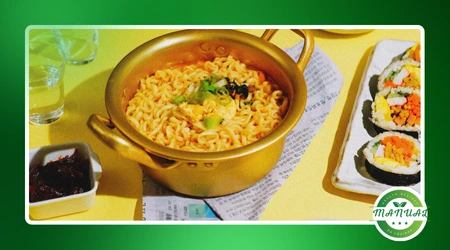
O pot noodles It is not just a culinary technique, but a reflection of the evolution of eating habits in 2025.
Adverts
With just one main ingredient—dough—and the strategic addition of flavored liquids, this method redefines efficiency without sacrificing flavor.
In a scenario where 721% of Brazilians seek to optimize time in the kitchen (IBGE, 2025), practicality gains space, but do quality and tradition need to be left aside?
The answer lies in the intelligent adaptation of classic techniques to a fast-paced daily life.
More than a passing trend, the pot noodles represents a structural change in the way we approach food preparation.
Adverts
High-end restaurants, such as the award-winning Tano Gastrobar (SP), already incorporate refined versions into their menus, proving that simplicity does not rhyme with mediocrity.
The technique, when mastered, allows the starch released during cooking to act as a natural emulsifier, creating creamy sauces without additives.
Simplicity that Conquers: From Liquid to Flavor
The secret of pot noodles lies in the relationship between mass and liquid. By replacing water with homemade broths or even nut milk, the dish gains depth with minimal effort.
Imagine spaghetti cooked directly in a broth of candied tomatoes and garlic—each strand absorbs the flavor evenly, eliminating the need for “stirring afterward.”
This approach is reminiscent of the principle of risotto, where the grain is integrated into the liquid from the beginning, but with the versatility of dry pasta.
Practical example: A one pot pasta with Sicilian lemon and pepper can be finished with a drizzle of olive oil and parmesan shavings, resulting in a sophisticated dish in less than 15 minutes.
More full-bodied versions, such as those made with porcini mushroom broth, satisfy demanding palates without requiring hours of preparation.
The technique also proves effective for wholemeal pasta, which often requires cooking adjustments. Here, control is more precise, avoiding the risk of drying out.
Sustainability and Waste Reduction: Aligning with the Future
While the world discusses circular economy, the pot noodles emerges as a tangible solution. A single pan means fewer dishes, less water to wash and less energy spent in the process.
++Easter Desserts: Options for Your Sunday Lunch
Data from Ethos Institute (2025) point out that small domestic changes, such as this, can reduce resource consumption in urban homes by up to 15%.
Furthermore, the technique allows for the full use of ingredients: herb stalks, cheese rinds and even seeds can be incorporated into the cooking liquid, extracting maximum flavor before discarding.
Analogy: Just as an electric car optimizes energy compared to a combustion model, the pot noodles condenses steps without losing performance.
Restaurants like Oteque (RJ) have already adopted the method in dishes such as “tagliatelle with red wine”, where the pasta cooks in its own sauce, reducing waste and intensifying the aroma.
Creative Variations: Beyond the Basics
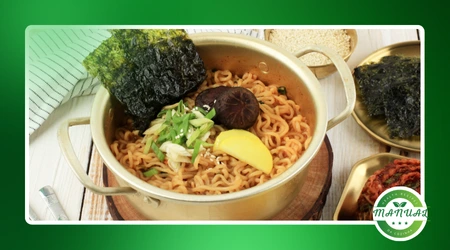
The technique isn't limited to traditional noodles. Asian noodles, such as udon or soba, also benefit from being cooked in flavored liquids.
An innovative example is the One Pot Noodles with Green Tea and Ginger, where the tea itself replaces the water, adding herbal notes without the need for complex sauces.
++Ground beef recipes that save any meal
This approach speaks to the growing demand for functionality — each ingredient fulfills multiple functions, from hydrating to seasoning.
Another area of exploration is fresh pasta. Contrary to popular belief, it can be adapted to the method, as long as the cooking time is adjusted.
One fresh fettuccine cooked in vegetable broth and white wine achieves perfect texture while incorporating nuances that a post-cooking sauce could not replicate.
One Pot Pasta: The Science Behind Perfect Cooking
The technique of pot noodles goes beyond practicality – it involves scientific principles that ensure ideal texture and flavor.
When pasta cooks directly in the flavored liquid, the released starch acts as a natural thickener, creating a creamy emulsion without additives.
Studies by the USP Food Research Center prove that this method preserves up to 30% more nutrients compared to traditional cooking, where water is discarded.
Precise control of evaporation is crucial: not enough liquid results in raw dough, while too much dilutes flavors.
One Pot Pasta in Haute Cuisine: When Simplicity Becomes Art
Starred chefs are reinventing the pot noodles with refined techniques.
Look how interesting: 7 Types of Cake Fillings That Will Make Your Dessert Unforgettable
At the Evvai restaurant (SP), chef Luiz Filipe Souza prepares tagliatelle cooked in bone broth for 72 hours, finished with black truffles.
At Manu (RJ), the pasta is cooked in the seafood sauce itself, capturing the essence of the sea.
These interpretations prove that the method can be as sophisticated as traditional techniques, with the advantage of authentic flavors.
Food critic Maria Bastos says: “We are seeing the rebirth of essentialist cuisine.”
One Pot Pasta for Special Diets: Nutritional Versatility
The adaptability of the pot noodles makes it ideal for specific dietary needs. Lentil or chickpea pasta versions cooked in vegetable broths offer protein-rich meals for vegetarians.
For low-carb diets, the method works perfectly with zoodles (zucchini noodles), which absorb the flavors of the cooking liquid in minutes.
Nutritionists emphasize that the technique allows better control of sodium and added fats, making it an ally for those seeking healthy eating without giving up gastronomic pleasure.
Pot Noodles Around the World: Global Adaptations
The technique of pot noodles finds equivalents in various culinary cultures.
In Italy, the “risottata pasta” follows similar principles, while in China, noodles are often cooked directly in the broth.
In Mexico, sopa seca de fideo uses the same concept, proving that the idea of cooking pasta in aromatic liquids is universal.
These international variations enrich the method's repertoire, showing how different local ingredients can transform a simple technique into unique gastronomic experiences.
Conclusion: The Future of Cooking is Smart, Not Rushed
O pot noodles transcends the category of “fad” to establish itself as a paradigm in contemporary gastronomy.
Whether it’s saving time, reducing environmental impact or providing pure flavors, the technique proves that innovation doesn’t have to be complicated.
In a world that values results without excess, is this the key to balancing tradition and practicality?
The answer is clear: when executed well, the method delivers not only convenience, but also a new perspective on the potential of simple ingredients.
It’s up to chefs and home cooks to explore their possibilities — without being afraid to be bold, but always respecting the fundamentals.
Table: Comparison of Preparation Methods
| Method | Time (min) | Utensils | Water Consumption (L) |
|---|---|---|---|
| Traditional | 20 | 3+ | 5 |
| Pot pasta | 15 | 1 | 2 |
Source: ABIA (2025).
Frequently Asked Questions
What is the best type of pasta for pot noodles?
Porous pastas, such as spaghetti or penne, work best because they absorb liquid efficiently. Avoid very thin varieties, which can overcook.
Is it possible to use ready-made sauces in this technique?
The ideal is to dilute them with a little water or broth to prevent the dough from becoming dry or sticky.
How to adjust the cooking time?
Reduce the time indicated on the package by 1-2 minutes, as the pasta will continue to absorb liquid after turning off the heat.