
Easter Desserts: Options for Your Sunday Lunch
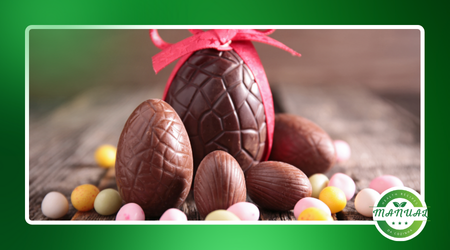
Easter is synonymous with gathering those we love around the table, and Desserts for Easter play an essential role in this ritual.
Adverts
More than just finishing a meal, they carry tradition, affection and, in 2025, a hint of innovation.
While chocolate continues to reign supreme, a recent survey by ABIA reveals that 621% of Brazilians prefer homemade desserts, valuing artisanal preparations and quality ingredients.
But what makes a Easter dessert truly shine? The answer lies in the balance between the familiar and the surprising.
Imagine a brigadeiro that, instead of the conventional, has crunchy Brazil nuts and a touch of fleur de sel – small details that transform the ordinary into the extraordinary.
Adverts
In this guide, we explore everything from ancient recipes, like Colombian almonds, to contemporary creations, like passion fruit cheesecakes with an oat cookie base.
Each suggestion was designed to suit different tastes and celebration styles. Whether you’re looking for understated luxury or sophisticated simplicity, there’s always an option that will delight.
Easter Dessert Trends for 2025: The Future of Sweet Treats
Gastronomy evolves, and Desserts for Easter follow this movement.
In 2025, the spotlight will be on single-origin cocoa, such as those from Bahia or Pará, which add depth to preparations.
A mousse made with 70% chocolate and roasted almonds, for example, gains layers of flavor that range from fruity to earthy, surprising even the most demanding palates.
Another strong trend is the functional dessert. Ingredients such as coconut sugar, chickpea flour and vegetable protein appear in brownies and pies, offering nutrition without sacrificing pleasure.
One example? A pecan pie with maple syrup, which reduces the glycemic index by 30% without losing the caramelized texture.
And we can't ignore the visual appeal. Stepped desserts, like entremets white chocolate and raspberry, or mini cheesecakes served in edible capsules, they show that the gastronomic experience begins with the eyes.
After all, in an age of digital sharing, aesthetics are as crucial as taste.
Classics Revisited: When Tradition Takes on a New Breath
The handmade Easter egg has never gone out of fashion, but in 2025 it reinvents itself. Now, in addition to the traditional brigadeiro fillings, options such as coffee ganache with cardamom or semi-sweet chocolate and pink pepper truffles are emerging.
+Zucchini Omelette: Protein and Vegetables to Start Your Day
The technique of tempering – which guarantees a shiny and crispy finish – is essential, but the difference lies in the details: edible gold leaf, geometric prints in natural dyes or even shells flavored with vanilla and orange.
Pudding, another classic, is also undergoing a revolution.
Versions with coconut milk and ginger syrup offer a refreshing contrast, while the traditional condensed milk pudding gets a sophisticated twist with Sicilian lemon zest and a thin layer of salted caramel.
And what about the carrot cake?
Now, it appears in versions deconstructed, with separate layers of cake, cream cheese and orange marmalade, allowing each guest to assemble their dish as they prefer. It's tradition served with creative freedom.
Innovation and Health: The Balance that Conquers
The search for lighter desserts doesn’t mean giving up flavor.
On the contrary: in 2025, techniques such as replacing sugar with dates or applesauce show that it is possible to maintain sweetness without excess.
++7 Types of Cake Fillings That Will Make Your Dessert Unforgettable
A chocolate mousse made with avocado and cocoa powder, for example, offers creaminess and healthy fat, while a cheesecake tofu and nuts reduces calories without losing the velvety texture.
Seasonal fruits also take center stage.
A fig tart with brie cheese and eucalyptus honey proves that unusual combinations can be memorable.
Already one crumble Pear with walnuts and cinnamon reminds you that sometimes less is more – especially when the ingredients speak for themselves.
| Dessert | Calories (Traditional) | Calories (Light) |
|---|---|---|
| Chocolate Mousse | 320 kcal | 180 kcal |
| Biscuit Pave | 290 kcal | 210 kcal |
| Lemon Pie | 350 kcal | 230 kcal |
Regional Desserts: The Richness of Brazilian Flavors
Brazil is a country of diversity, and this is also reflected in the Desserts for Easter.
In the Northeast, the bolo de rolo – thin layers of dough filled with guava paste – is available in versions with dulce de leche and burnt coconut.
Read too: Fit banana pancake: sugar-free and flour-free in 10 minutes
In the South, the sago with wine cream and spices is a comforting option full of personality.
In the Midwest, the pequi It appears in unusual desserts, such as a mousse that balances the fruit's striking flavor with white chocolate.
And in the Southeast, the tradition of artisanal Easter eggs remains strong, but with modern touches, such as fillings of paçoca with coffee or jabuticaba jelly.
The Role of Desserts in Brazilian Gastronomic Culture
To the Desserts for Easter reflect more than culinary trends – they carry within them the Brazilian cultural identity.
Just like football and carnival, sweetness is part of our social DNA, serving as a bridge between generations.
A simple coconut pudding recipe, for example, can awaken fond childhood memories while reinventing itself with contemporary techniques.
This duality between tradition and innovation is what keeps the art of Brazilian confectionery alive, transforming each Easter into an opportunity to create new taste memories.
After all, it’s not just ingredients that are mixed in these preparations, but stories, techniques and emotions that are translated into each bite.
Conclusion: The Sweetness that Unites Stories and Flavors
To the Desserts for Easter in 2025 they are more than just meal endings – they are narratives in the form of flavor.
Each recipe tells a story, whether through the appreciation of local ingredients, the reinterpretation of classics or the boldness of new combinations.
This year, challenge yourself to go beyond the expected. How about an Easter egg filled with cupuaçu and Brazil nut ganache? Or an orange pie with olive oil and fleur de sel?
The possibilities are endless, and the only limit is your creativity. After all, what better way to celebrate Easter than with flavors that will thrill you?
Frequently Asked Questions
What is the best dessert option for those with dietary restrictions?
Fruit-based desserts, such as crumble gluten-free apple or mango mousse with chia are great alternatives. Vegans can try 100% cocoa chocolates and plant-based milks.
How to store handmade Easter eggs to maintain quality?
In a cool, dry place, away from direct light. If stuffed, it is best to consume within a week or freeze for up to a month.
Is it possible to make sophisticated desserts in a short time?
Yes! Individual bowls with layers of fruit, granola and Greek yogurt are practical and elegant. Or a chocolate fondue with fresh fruit for table interaction.
What is the secret to well-tempered homemade chocolate?
Melt in a bain-marie, controlling the temperature (do not exceed 45°C for milk chocolate). Cooling partially before stirring ensures the snap perfect.
How to balance sweetness in desserts without refined sugar?
Dried fruits, such as dates or prunes, and spices (cinnamon, vanilla) naturally enhance flavors. Honey and maple syrup are also great substitutes in moderate doses.