
How to prepare sautéed vegetables in butter?
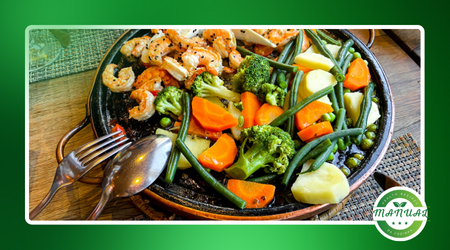
You vegetables sautéed in butter They are much more than a quick side dish—they are a demonstration of technique, balance and respect for ingredients.
Adverts
While methods like steaming preserve nutrients, sautéing in butter elevates flavor through chemical reactions that transform textures and aromas.
According to ABIA (2025), 68% of Brazilians seek practical options without sacrificing flavor, and this technique perfectly meets this demand.
Imagine caramelized carrots, broccoli with crispy edges and mushrooms with a umami intensified all of this in minutes.
But what separates a well-executed dish from a watery or burnt result? The answer lies in temperature control, choice of fat and knowledge of each vegetable.
Adverts
In this guide, we explore everything from ingredient selection to chef tricks for the perfect stir-fry.
You'll discover how to adapt the technique for different occasions, from a quick dinner to a sophisticated banquet.
The Science Behind Sautéed Vegetables in Butter
The success of the stir-fry lies in physics and chemistry.
When butter reaches around 150°C, its natural sugars begin to caramelize, while the proteins in the vegetables undergo the Maillard reaction.
The same process that gives color and flavor to baked breads and grilled meats. If the heat is too low, the vegetables will release water and become soggy; if it is too high, the butter will burn and make the dish bitter.
Vegetables with high moisture content, such as zucchini and cherry tomatoes, require vigorous heat and little time in the pan.
Denser vegetables, such as sweet potatoes and turnips, benefit from pre-cooking in salted water before sautéing. A useful analogy is to cooking on a barbecue grill: heat control is everything.
Research by the Institute of Food Technology (ITAL, 2024) shows that fast cooking methods;
Like sautéing, up to 40% more vitamin C is retained in green vegetables when compared to prolonged cooking. This makes the technique not only tasty but also nutritious.
Read more: How to Clean Burnt Pans Effortlessly
Choosing Ingredients: Which Butter and Which Vegetables to Use?
Regular butter, with its 80% of fat and 20% of water, is affordable but requires caution—if the pan is too hot, the water evaporates quickly and the milk solids burn.
As for the butter ghee (clarified), with a smoke point of 250°C, is ideal for high-temperature stir-fries, common in Indian and French cuisine.
When it comes to vegetables, seasonality is crucial. A CEAGESP report (2025) revealed that zucchini harvested in summer are up to 25% sweeter than those grown out of season.
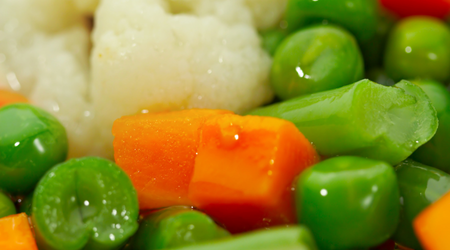
Try combinations like:
- French classic: baby carrots, fresh peas and pearl onions.
- Asian variant: shitake, bok choy and ginger, finished with a drizzle of sesame oil.
Avoid frozen vegetables that haven’t been thawed before, as excess water will prevent caramelization. And don’t underestimate the power of salt—used at the right time, it can extract moisture and concentrate flavors.
Vegetables sautéed in butter. Step by Step Technique: From Fire to Plate
Start with a carbon steel or cast iron skillet—materials that distribute heat evenly.
Heat over medium-high heat for 2 minutes, then add the butter.
When it melts and forms foam, but before it darkens, add the vegetables in order of hardness: first potatoes and carrots, then peppers and, finally, leaves such as spinach.
Keep the ingredients moving constantly with a metal spatula. This method, called sautoir, avoids overheated areas and ensures uniform cooking.
For dishes with multiple vegetables, a pro tip is to sauté them separately and only add them at the end.
Deglazing with liquids is a little-explored secret at home. After removing the vegetables, pour 50 ml of white wine into the hot pan to dissolve the liquids. sucs (tasty waste).
Reduce until almost dry and drizzle over the vegetables before serving.
+ How to Set Up a Self-Service Restaurant Without Spending a Lot
Vegetables sautéed in butter. Variables that Make a Difference
The shape of the cut drastically changes the result. Thin sticks (julienne) are crispy, while cubes (brunoise) tend to retain more moisture.
For an interesting contrast, try sautéing cauliflower into thick steaks and finishing with herb butter.
Timing is also critical: broccoli takes 4 to 5 minutes, while fresh asparagus can be ready in 2.
A simple test is to pierce a vegetable with the tip of a knife—it should offer resistance, but not cruelty.
And what to do when the butter starts to darken? Lower the heat immediately and add a tablespoon of olive oil to raise the smoke point.
This technique is used in restaurants with service intense, where the equipment is always at its limit.
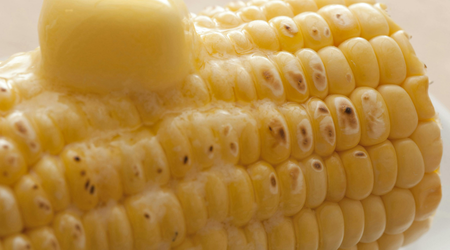
Creative Applications: Beyond Basic Tracking
How about transforming the vegetables sautéed in butter in protagonists? One suggestion is to serve them over mashed cassava with shavings of pecorino cheese, creating a robust vegetarian dish.
Another idea is to incorporate them into pasta—the classic spring comes to life when the vegetables are sautéed separately and mixed with the al dente penne.
For events, versatility shines: in bruschetta, as a filling of vol-au-vents or even in savory pies.]
An inspiring example is the sautéed ratatouille, where eggplant, zucchini and peppers are quickly cooked and finished with fresh basil.
Conclusion
Master vegetables sautéed in butter It's like learning to play an instrument: it requires practice, but once internalized, the technique opens doors to infinite variations.
Whether for an impromptu dinner or an elaborate menu, the method combines speed, health and sophistication—a rarity in contemporary cuisine.
How about trying an unusual combination today, like yam with rosemary and walnuts? Or would you rather go for the traditional leek with sun-dried tomatoes?
The choice is yours, but one thing is certain: with the tips in this guide, you'll hardly ever go back to boiling bland vegetables again.
+ One Pot Pasta: The Simple and Sustainable Revolution in the Modern Kitchen
Frequently Asked Questions
What is the difference between sautéing in butter and in olive oil?
Butter adds richness and depth, while olive oil offers a herbaceous profile and greater tolerance to high temperatures. Many chefs use the two together.
Can I use margarine instead of butter?
We do not recommend it. Margarines contain emulsifiers and excess water, which harm the texture and flavor of the stir-fry.
How to prevent vegetables from becoming oily?
Use high heat and don’t overcrowd the pan—too many ingredients will lower the temperature and cause the vegetables to “sweat” instead of brown.
Can I sauté frozen vegetables?
Yes, but defrost them beforehand and dry them well with paper towels. Direct contact with ice can cause the butter to splatter.
What is the best seasoning to finish?
Fresh herbs (parsley, thyme) and spices (smoked paprika, nutmeg) work well. Avoid powdered spices, which can burn.