
How to Make Perfect Garlic and Oil Pasta Without Sticking
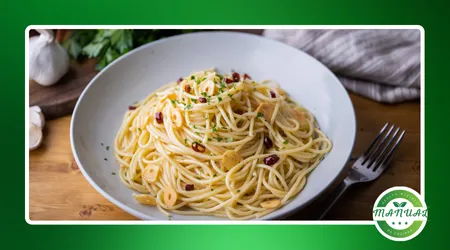
O perfect garlic and oil pasta without sticking is the epitome of elegant simplicity in Italian cuisine.
Adverts
Often, this apparent ease hides traps.
The frustration of sticky dough or dull seasoning is real. This article reveals the path to excellence in this timeless classic.
Learn how to transform humble ingredients into a memorable dining experience.
The foundation of any pasta dish lies in the quality of the main ingredient. For garlic and oil, opt for long, thin pasta.
Adverts
Spaghetti, linguine, or vermicelli work beautifully. Opt for pasta durum wheat semolina. They maintain their shape and texture better.
Well-sourced pasta releases less starch. This is crucial to avoid sticking. Robust pasta holds up better to cooking and sauces.
The choice directly impacts the final result.
The Salt Bath: Don't Be Shy
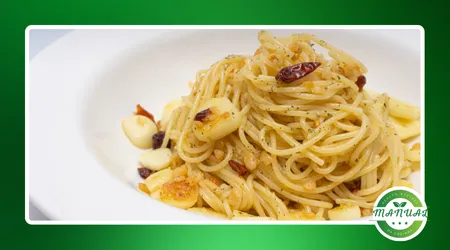
Salt in cooking water is more than a seasoning. It's an essential flavor enhancer. The water should be as salty as the Mediterranean Sea, the Italians say.
Use, on average, 10 to 12 grams of salt for every liter of water.
This salt saturation seasons the dough from the inside, eliminating the need to compensate later with olive oil.
The boiling water, in turn, must be in violent boiling. Place the dough only at that point.
The Alchemy of Olive Oil and Garlic
The sauce is the soul of garlic and oil. Technique is key here. Use a quality extra virgin olive oil.
++Brown rice recipe with sautéed vegetables
Its fruity and spicy flavor elevates the dish. The portion is generous but balanced.
Garlic should be thinly sliced. This maximizes the surface area for flavor infusion. Cooking garlic requires full attention.
Low to medium heat is essential for a slow infusion. The garlic should not burn, just brown gently.
The Secret to the Perfect Emulsion
Emulsification is what transforms a thin sauce into a creamy embrace. It's the step that guarantees perfect garlic and oil pasta without sticking.
++What is the difference between dry pasta and fresh pasta?
Reserve a ladle of the pasta cooking water. This water is rich in starch.
Starch is the natural thickening agent. Mix this starchy water with the garlic-infused olive oil and stir vigorously.
This creates a rich and velvety emulsionThis emulsion will coat the dough evenly.
The Golden Rule of Al Dente
Cooking time is sacred. Cook the pasta exactly until it becomes al dente. This means “al dente” – firm, but cooked through in the center.
++Macaroni Pie with Tomato Sauce and Gratin Mozzarella
Generally, the dough is removed 1 to 2 minutes before the packaging time.
Cooking will be finished in the pan with the sauce. This thermal shock stops the cooking process and helps maintain the structural integrity of the pasta.
O perfect garlic and oil pasta without sticking starts with a al dente necessary.
Drain the pasta and immediately transfer it to the saucepan. The heat shock is important. Stir the pasta into the emulsion for about 60 to 90 secondsThis time is vital.
You may also enjoy reading: A Reinterpretation of a Classic: Tagliatelle with Garlic and Oil
The pasta absorbs the flavor of the garlic and olive oil at this point. Add more cooking water if necessary to maintain the creaminess.
It's like giving the dough a flavor bath.
The Master's Final Touch
The additions are subtle, but they make a difference. Dried or fresh Calabrian chili peppers add a spicy heat.
A touch of parsley or chopped parsley at the end brings freshness. They should be added off the heat.
Optionally, a drizzle of fresh extra virgin olive oil. This "raw" oil preserves its aroma. This finishes the dish with an intense flavor note.
Perfect Garlic and Oil Pasta Without Sticking: Common Mistakes
Many amateur cooks drain the pasta and pass through cold waterThey think this prevents it from sticking.
This is a serious mistake. Cold water washes away the surface starch. Without starch, the emulsion fails to adhere. The pasta loses its grip on the sauce.
Imagine an Italian chef, with decades of experience, seasoning water. He doesn't use a measuring cup; he tastes. For him, cooking is an act of... sensitivity and intuition. S
I temper it in water guarantees the initial flavor point. The pasta doesn't need much more after that.
According to the Italian Observatory of Food and Nutrition (ONAF), the average mass consumption per capita in the country is about 23 kg per year.
This reflects the cultural importance and accumulated experience in preparation. Such mass consumption refines techniques, such as the importance of al dente and cooking water.
Quick Cooking Chart (![]() )
)
| Type of Mass (Durum Grain) | Average Time Al Dente (min) | Suggested Time in Frying Pan (sec) |
| Spaghetti No. 5 | 8 – 9 | 60 – 90 |
| Linguine | 9 – 10 | 60 – 90 |
| Vermicelli | 7 – 8 | 60 – 90 |
Note: Always check the package instructions and adjust 1 to 2 minutes less..
Prepare the perfect garlic and oil pasta without sticking It's like tuning a musical instrument. You can't just play; you need precision.
The salt in the water is the pitch The initial. The oil and garlic are the melody. The emulsion is the rhythm that connects everything. If one component is wrong, the harmony is lost.
Sticking dough is the equivalent of an out-of-tune string.
The Question That Remains
With so many crucial details, can we really say that cooking garlic and oil is a “quick” dish, or does it require the respect and technique of an ancient art?
The search for perfect garlic and oil pasta without sticking requires dedication.
Conclusion: A Simple and Sublime Art
O perfect garlic and oil pasta without sticking transcends the category of a simple dish. It's a test of technique, patience, and respect for the ingredients.
From salt water to al dente With precise, glossy emulsion, every step counts. Mastering this recipe is mastering the foundation of Italian cuisine. Practice and savor the reward of a flawless dish.
Frequently Asked Questions
1. Can I use regular olive oil?
Extra-virgin olive oil is recommended. Regular olive oil has a lower smoke point and a less complex flavor. It can burn garlic more easily.
2. Will the pasta stick if I don't stir it in the pan?
Yes, it's essential to stir the pasta during the first 1-2 minutes of cooking. This prevents the surface starch from causing the pasta strands to stick together.
3. Why does my emulsion break or become thin?
The emulsion will break if the ratio of cooking water (rich in starch) to oil is incorrect. Add water gradually and stir vigorously to incorporate the fat and liquid.
4. What is the al dente ideal for garlic and oil?
This is the pasta that, when bitten, offers a slight resistance in the center. It should be firm and not fully cooked, as it will finish cooking in the pan with the sauce.