
How to make a light and airy lemon chiffon cake
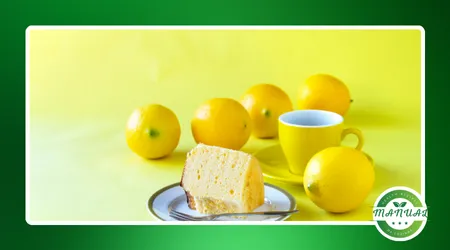
If you are looking for the definitive recipe for a light and airy lemon chiffon cake, you've found the right guide. This cake, known as the "cloud cake," is a confectionery masterpiece that demands precision and technique.
Adverts
The recipe for Chiffon Cake, invented in 1927 by insurance broker Harry Baker, remained a secret for 20 years.
The innovative ingredient he added was the vegetable oil, replacing the traditional butter.
The oil guarantees a moist, flexible, soft dough that stays fresh for longer, a characteristic that butter does not provide.
The Chiffon Cake is the perfect cross between the butter cake (which uses solid fat) and the sponge cake (which is aerated only by the egg whites).
Adverts
The inclusion of vegetable oil, along with the maximum aeration of the whipped egg whites, is key to its texture. This chemical balance creates the basis for our light and airy lemon chiffon cake.
The “cloud” texture comes from the emulsion between the dry ingredients, the egg yolks and the oil, combined with the stability of the beaten egg whites.
It's crucial that the egg whites are incorporated smoothly, without losing any trapped air. Losing this volume means losing the cake's characteristic lightness.
Ingredients: Choosing the Lemon and Precise Measurement
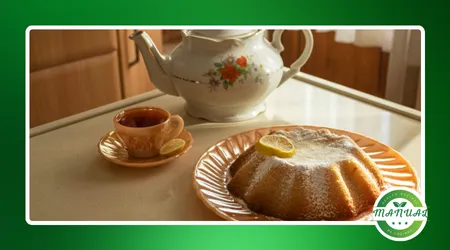
Selecting the right lemon is the first step to ensuring a vibrant flavor.
O Sicilian lemon It is the classic choice for haute confectionery, offering a floral aroma and a softer acidity.
In contrast, lime is more acidic, which can unbalance the sweetness of the cake if not measured correctly.
Always use the zest of the peel, but avoid the white part (the albedo), which imparts an undesirable bitterness. Gently scrape the fruit only on the surface, prioritizing the yellow, aromatic layer.
Ingredient precision is non-negotiable. In modern baking, the use of scales has become standard practice to ensure accurate recipe replication.
One incorrectly measured cup of flour can change the entire structure of the dough.
A recent study by William Paterson University (USA) highlighted the Sicilian lemon as one of the healthiest fruits in the world.
++How to Make Perfect Garlic and Oil Pasta Without Sticking
Its use is not only tasty, but also adds nutritional value, being rich in vitamin C and antioxidants.
Table: Comparison of Lemons for Confectionery
| Type of Lemon | Flavor and Aroma | Relative Acidity | Recommended Use for Chiffon |
| Sicilian | Aromatic and floral | Medium-Low | Excellent (classic) |
| Tahiti | Strong and citrusy | High | Good (with careful dosage) |
| Galician | Fragrant and sweet | Low | Great (smoothness) |
The Technique: Mastering the Chiffon Method
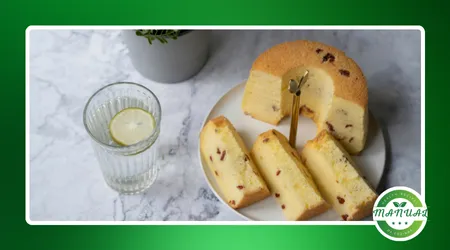
The success of light and airy lemon chiffon cake It rests on three pillars: the yolk emulsion, the perfect consistency of the white and the final incorporation.
++Classic American Apple Pie Step by Step
Skipping any of these steps will result in a dense cake, compromising its “cloud” reputation.
The Meringue Point (Whipped Egg Whites)
Beating the egg whites with cream of tartar stabilizes the meringue. cream of tartar (tartaric acid) reduces the pH of the egg white, strengthening the foam and preventing it from drying out.
++Creamy leek pie with buttery pastry
Start beating on low speed and gradually increase it, adding the reserved sugar little by little.
The sweet spot is the firm, shiny peak, but never dry. Dry egg whites break down velvety and aerate when incorporated into the yolk emulsion.
The Emulsion of Gems
Mix the dry ingredients (flour, remaining sugar, and baking powder/baking soda) first. Add the egg yolks, oil, lemon juice, and lemon zest.
Vegetable oil creates a stable emulsion that retains moisture.
Lemon, with its citric acid, also acts as a "curdling" agent (if the recipe includes milk), enhancing flavor and smoothness. This step simply requires mixing until the mixture is smooth.
The Incorporation of Multiple Steps
This is the most critical moment. The perfect analogy is that of a parachute: we need the fabric (the egg yolk emulsion) and the air (the meringue). If we join them together abruptly, the air escapes and the parachute won't open.
Fold a third of the egg whites into the emulsion to aerate and lighten the mixture, loosening it.
Then, add the remaining meringue in two batches, using a spatula in delicate, circular movements, from the bottom up.
The Secret of the Oven and Inverted Cooling
Baking and cooling are as vital as mixing the ingredients. Bake the cake in a chimney shape (pipe), without greasing or flouring the sides.
The dough must adhere to the pan to rise and support itself.
The ideal oven temperature (about ) allows the cake to cook evenly, setting the airy structure. The time varies, but the toothpick test should be done in the center.
Harry Baker's innovation was inverted cooling.
When the cake comes out of the oven, it should be immediately turned upside down (The central cone of the pan should support the cake.) This action prevents the hot, unstable batter from collapsing.
Cooling must be complete, at least 2 to 3 hours.
During this period, the dough stabilizes, resulting in the light, elastic structure that defines authentic light and airy lemon chiffon cake.
Tips and Finishing for an Unforgettable Chiffon
To finish your light and airy lemon chiffon cake, consider a frosting simple lemon (icing sugar and juice).
If you want a contrast, try the version with lemon curd and a torched meringue, adding a touch of intense acidity.
Another creative approach is the use of fruits:
- Example 1: Lemon Basil Chiffon: Add chopped fresh basil leaves to the dough for an unexpected herbaceous touch. The citrus and green combination is a trend for 2025.
- Example 2: Chiffon and Red Fruits: Add blueberries or fresh raspberries after incorporating the meringue, gently distributing them throughout the dough before baking.
A common mistake is rushing to unmold the cake. Unmold the cake only when it's completely cool, carefully running a thin, narrow spatula around the cone and pan.
After all, why rush perfection?
One light and airy lemon chiffon cake It's more than just a dessert; it's an exercise in patience and technique.
Attention to detail transforms a simple cake into a melt-in-your-mouth experience. This is what baking is all about: the art of transforming basic ingredients into moments of pure joy.
Frequently Asked Questions
Why should chiffon cake be cooled upside down?
Inverted cooling is essential to prevent the cake from collapsing. The batter, rich in air and still hot, is very fragile.
Turning the pan allows gravity to help stretch and stabilize the lightweight structure, preventing the cake from sinking.
Can I substitute vegetable oil for butter?
Not recommended. The use of vegetable oil (such as canola or sunflower) is one of the defining characteristics of chiffon cake, responsible for its moisture and elasticity.
Butter would result in a denser, drier texture, typical of a butter cake.
Is it mandatory to use cream of tartar on egg whites?
Cream of tartar (or a little lemon juice/vinegar) is crucial for stabilizing the egg whites, ensuring firm, sturdy peaks.
It prevents the egg whites from returning to a liquid state, keeping the cake aerated.
My pasta has yellow spots. What could have happened?
This usually indicates that the egg whites were not fully incorporated into the egg yolk emulsion.
It is necessary to mix with gentle movements, but ensure that there are no visible white or yellow streaks in the final batter before baking.
What is the relevant statistic about this cake?
The popularization of chiffon cake was notable after General Mills, one of the largest food companies in the world, purchased the recipe from Harry Baker in 1947.
It is estimated that, in the year following its release, sales of vegetable oil soared by more than 40% in the United States, driven by the success of the cake.