
How to make traditional Brazilian rice and beans
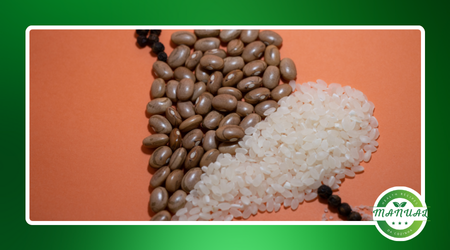
Traditional Brazilian rice and beans: If there is one dish that defines Brazilian cuisine, it is undoubtedly the unbeatable combination of rice and beans.
Adverts
More than a meal, it is a cultural symbol, a family comfort and the basis of our daily nutrition.
The origins of this combination date back to colonial times, establishing itself as a pillar of popular nutrition. It was a smart and affordable way to provide energy and essential protein for work.
This combination isn't just delicious; it represents a perfect nutritional symbiosis. Beans, rich in lysine, and rice, abundant in methionine, form a complete protein.
Centuries have passed, and the preparation has evolved slightly, but its essence has remained untouched. The ritual of cooking this duo is passed down from generation to generation.
Adverts
The Science Behind Flavor and Nutrition
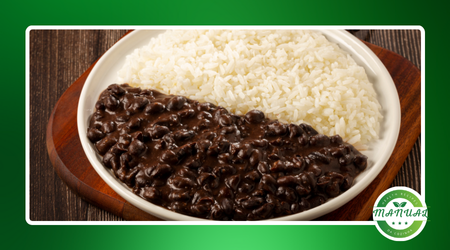
Many consider the dish simple, but the correct preparation technique elevates the experience. The secret lies in the quality of the ingredients and the time dedicated to cooking.
How to make traditional Brazilian rice and beans transcends the mere blending of grains; it's the search for the ideal balance of texture and seasoning. Nutritional science endorses this age-old choice.
The Brazilian Institute of Geography and Statistics (IBGE), in its Household Budget Survey (POF) 2017-2018, indicated that the consumption of rice and beans is present in more than 70% of Brazilian homes.
This statistic underscores the dish's irreplaceable role in the national diet. It remains the primary source of iron, fiber, and B vitamins for millions.
+How to make a light and airy lemon chiffon cake
The Simplified Nutrition Facts Chart: A Treasure on Your Table
To illustrate the value of this duo, check out the average nutritional estimate per 100g cooked portion, according to data compiled from various Brazilian nutritional sources:
| Component | Cooked White Rice (100g) | Cooked Carioca Beans (100g) |
| Calories (kcal) | ||
| Proteins (g) | ||
| Carbohydrates (g) | ||
| Fibers (g) | ||
| Iron (mg) |
The values are approximate, of course, but they demonstrate the richness of the combination. The beans make up for what the rice lacks and vice versa, forming a superfood economic.
Mastering the Art of Cooking: Expert Techniques
Look how interesting: Homemade vegan recipes with local ingredients: How to use Brazilian biodiversity
Achieving perfect creamy beans and fluffy rice requires attention to detail. There's no point in rushing; time is essential in this preparation.
The first step to beans is, without a doubt, the sauce. Soaking the grains for at least 8 hours helps reduce cooking time and improves digestibility.
Washing rice before cooking is still a common practice, although modern science suggests it's not strictly necessary for all types. Salt is added at the right time.
++Recipes for those who live alone and want practicality
The bean seasoning, our biggest differentiator, needs to be fresh. Garlic and onion sautéed in olive oil or oil, along with bay leaves, are the foundation of any good bean dish.
A common mistake is overcooking beans in a pressure cooker, turning them into a paste. They should be soft but still retain their individual shape.
The perfect analogy for this duo is that of a well-tuned orchestra: Rice, with its neutral flavor and loose texture, takes center stage. Beans, rich and seasoned, are the main course.
Explore more: This Grandma Trick for Cooking Beans Faster Never Fails
1: The Secret to the Perfect Broth
One of the most overlooked secrets is the technique for thickening the broth. Scoop out a ladle of cooked beans (without the broth) and mash them well.
Add this paste back to the pot for a thicker, more flavorful broth.
2: The Chef's Touch on Loose Rice
For fluffy rice, sauté the garlic and raw rice in oil for a minute or two, stirring constantly.
Adding boiling water (two parts water to one part rice) ensures a thermal shock that helps the grains separate.
How to make traditional Brazilian rice and beans in 2025: Adaptation and Relevance
Even with the rise of imported diets and ingredients, rice and beans' prestige remains. Its simplicity is a trump card amid the complexity of contemporary life.
The traditional Brazilian version has proven resilient. Why would anyone abandon a complete, nutritious, and affordable food? The answer is: there's no reason.
It is essential that new generations learn How to make traditional Brazilian rice and beansIt's not just cooking; it's preserving a legacy.
The search for a more natural and less processed diet reinforces the importance of this dish. It is the true fast food healthy of the Brazilian.
Golden Tips for Perfect Beans: Texture and Seasoning
The success of beans lies in their final texture: neither hard nor falling apart. The time in the pressure cooker is crucial; generally, 20 to 30 minutes after the whistle are sufficient.
Once cooked, the beans should be transferred to a larger pot to season and thicken the broth. This slow simmering process, after seasoning, is what gives the beans their creaminess ideal.
Adjust the amount of water at this point. If it's too thick, add boiling water. If it's thin, let it simmer a little longer, using the tip of mashing some of the grains.
Salt should only be adjusted after adding the seasoning, as ingredients like bacon or sausage already contain salt. Experimenting and adjusting is key to achieving true flavor.
Remember: well-seasoned beans pair perfectly with rice. How to make traditional Brazilian rice and beans is, above all, an act of patience and affection in the kitchen.
Conclusion: More than Food, Identity
Rice and beans are our staple, our gastronomic safe haven. It nourishes the body and comforts the soul in a unique way.
Master How to make traditional Brazilian rice and beans It's a passport to true national cuisine. It's an act of love and respect for our history.
It's possible to find more sophisticated dishes, of course. But is there anything more authentically Brazilian and comforting?
Frequently Asked Questions about Traditional Brazilian Rice and Beans
What is the best type of beans for the traditional recipe?
O Pinto beans (or pink bean) and the black beans are the most commonly used in Brazilian tradition. Carioca is more popular in the Southeast, while black dominates the South and feijoadas.
Should rice always be white?
Traditionally, yes, white rice is the choice. However, many families have opted for parboiled rice or integral to increase the fiber and nutrient content while maintaining the preparation technique.
Is it mandatory to soak the beans?
While not strictly required, it is highly recommended. The sauce reduces phytates (which hinder the absorption of minerals) and reduces flatulence caused by oligosaccharides, in addition to saving gas.
Can I use seasonings other than garlic and onion?
The base is always garlic and onion, but you can complement it with bacon, Calabrian sausage (for the thick beans), and even a touch of black pepper. The key is to always maintain the proportions and focus on the flavor of the beans.