
Homemade vegan recipes with local ingredients: How to use Brazilian biodiversity
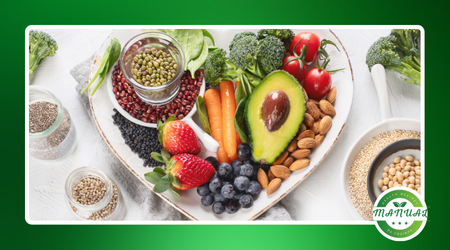
To the homemade vegan recipes are experiencing a new era. It's a culinary rediscovery that values local ingredients and Brazilian biodiversity.
Adverts
Far from being a limitation, the plant world is vast and surprising. Brazilian cuisine, in itself, is an inexhaustible resource. It already celebrates the diversity of fruits, vegetables, and tubers.
The transition to veganism, especially in Brazil, is a fascinating journey. It forces us to take a closer look at what nature offers.
Think of the flavors of the forest, the fruits of the cerrado, and the roots of the sertão. It's like uncovering a gastronomic treasure map. The Brazilian table can be more nutritious and sustainable.
The appreciation of local food is a global trend. Furthermore, it also strengthens small farmers. By choosing native ingredients, we contribute to the circular economy.
Adverts
The relationship between food and territory becomes even more evident. It's a way of honoring history and popular knowledge.
The Treasure Chest of Our Biodiversity
Brazil is one of the most biodiverse countries on the planet. This is directly reflected in our natural pantry.
From the Amazon to the Pampas, each biome has its own delicacies. Unique fruits, vegetables, and grains are found throughout the territory, waiting to be transformed into delicious dishes.
Ingredients like açaí, pequi, and Brazil nuts are iconic examples. They're not only delicious but also nutritionally dense.
Jackfruit, for example, is a versatile substitute for shredded meat. Others, like jambu, offer a unique numbing sensation.
Using these ingredients in vegan cooking opens up new possibilities. They elevate the flavor of ordinary dishes to a whole new level.
How about a plantain stew? Or perhaps a creamy baru risotto with turmeric? Creativity is the only limit.
Read more: How to make healthy cookies with banana and cocoa
Homemade Vegan Recipes and Seasonality of Ingredients
Seasonality is crucial for sustainable cuisine. Eating food in season ensures greater flavor and nutrition.
Furthermore, it also reduces the cost and environmental impact of transportation. Knowing what to plant and harvest is valuable knowledge.
The analogy with art is perfect here. A painter doesn't use the same colors on every canvas. Likewise, a wise cook explores the seasonal color palette.
With each season, nature offers a new menu of possibilities. With each natural cycle, the table is renewed.
A practical example is tucumã, common in the Amazon region. It's rich in fiber and beta-carotene and can be used in both sweet and savory dishes.
Imagine a creamy fermented tucumã "cheese." Or even a pâté to fill pastries.
++ Vegan menu: 10 recipes to choose from on Veganism Day
Another example is ora-pro-nóbis, a hardy plant that adapts well to various regions of the country. Its leaves are rich in protein and iron.
It's the "green meat" of the garden, perfect for stews and farofa. It's an ingredient that simplifies eating.
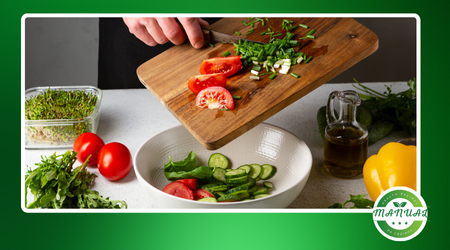
From Theory to Practice: The Way of the Table
Changing eating habits can seem challenging. However, the steps are simple. Start by introducing one new ingredient per week.
Try a new native vegetable or fruit. Familiarity with Brazilian flavors will come with time.
The survey “Panorama de Consumo Alimentar no Brasil 2023”, by the consultancy GFK, revealed an interesting fact.
Approximately 151,000 Brazilians have already reduced their red meat consumption. This demonstrates a growing openness to new diets. The population is more receptive to other choices.
To the homemade vegan recipes are gaining momentum in this scenario. Interest in more conscious eating is on the rise.
Plant-based cooking has become more accessible. The range of products and information is constantly growing.
Below, see a table with suggestions for Brazilian ingredients and their uses. It was created to inspire new dishes.
Homemade vegan recipes with local ingredients: How to use Brazilian biodiversity
++ How to Make Low Carb Cauliflower Rice
| Ingredient | Biome of Origin | Usage Suggestions |
| Pinion | Atlantic Forest | Farofa, mashed potatoes, cooked foods |
| Pequi | Closed | Rice, stews, risottos |
| Pupunha | Amazon | Hearts of palm, salad, moqueca |
| Jabuticaba | Atlantic Forest | Sauces, jams, juices |
The Future of Brazilian Food
The future of our food is closely linked to our biodiversity. Brazilian cuisine needs no imitations.
True innovation lies in valuing what's ours. And vegan cuisine benefits enormously from this.
It's possible to create dishes that delight even the most discerning palate, while also being responsible for the planet.
To the homemade vegan recipes could be the new standard. They're nutritious, delicious, and above all, sustainable.
After all, why look outside for what the earth already gives us?
++ Egg white omelette with spinach and sun-dried tomatoes
The search for a more conscious and aligned diet.
With our country's natural resources, it takes us to a universe of discoveries.
To the homemade vegan recipes, when prepared with genuinely Brazilian ingredients, become a celebration of our biodiversity.
It's an invitation to explore flavors and textures that often go unnoticed, honoring the richness of biomes such as the Amazon, Cerrado, and Atlantic Forest.
Homemade vegan recipes with local ingredients: How to use Brazilian biodiversity
Frequently Asked Questions
1. Where can I find these ingredients?
Many can be found at organic farmers markets. Depending on the region, municipal markets are excellent options. Online markets have also become increasingly popular.
2. Is a vegan diet with local ingredients expensive?
Not necessarily. Buying seasonal produce from local producers is generally more economical. Smart ingredient substitutions also help.
3. Do I need to be a chef to cook with these ingredients?
No. Start with simple recipes and familiarize yourself with the flavors. The internet is a vast source of inspiration. Practice makes perfect.
4. Is lack of protein a problem?
No, protein can be obtained from a variety of plant sources. Grains, legumes, nuts, and seeds are rich in protein. Combining foods ensures a complete profile.