
How to Make Low Carb Cauliflower Rice
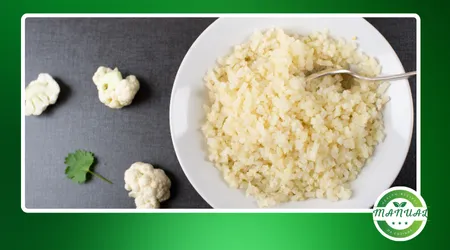
Prepare low carb cauliflower rice has never been more relevant. With the growing demand for balanced and sustainable diets, this substitute for traditional rice has gained ground in Brazilian kitchens.
Adverts
But why has this recipe become such a phenomenon? The answer lies in its versatility and nutritional benefits.
According to a study by ABRAN (Brazilian Association of Nutrology), 62% of Brazilians have reduced their consumption of refined carbohydrates in the last two years.
Cauliflower, once seen only as a side dish, is now a star in low-carb, ketogenic, and even vegan diets.
Its ability to mimic the texture of rice, combined with its low glycemic index, makes it a smart choice for those seeking health without sacrificing flavor.
Adverts
And it's not just a fad: science proves its benefits.
A survey published in the Journal of Food Science highlighted that cauliflower has bioactive compounds with anti-inflammatory and antioxidant properties.
If you're looking for a light, nutritious, and easy-to-make alternative, keep reading. We'll reveal all the secrets to... prepare low carb cauliflower rice perfectly.
Why Is Low Carb Cauliflower Rice Trending?
The food revolution of recent years has brought with it a demand for healthier options.
White rice, despite being a classic in Brazilian cuisine, has a high glycemic index and can contribute to insulin spikes.
Cauliflower rice, on the other hand, offers only 5g of carbohydrates per cup, compared to 45g in traditional rice. This difference directly impacts glycemic control, weight loss, and even daily energy.
Furthermore, cauliflower is rich in fiber, which promotes satiety and improves intestinal transit. It's also a source of vitamin C, essential for immunity, and vitamin K, important for bone health.
Another factor that has driven its popularity is its adaptability.
++Caramelized banana cake that comes out perfectly
Whether in savory recipes like risottos and salads, or in more creative versions like low-carb sushi, grated cauliflower behaves like a chameleon-like ingredient.
And we can't ignore the environmental issue. Growing cauliflower uses less water than rice, making it a more sustainable choice.
Choosing the Best Cauliflower for Your Low-Carb Rice
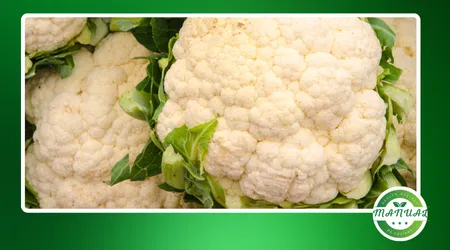
The quality of the main ingredient makes all the difference in the final result. Fresh cauliflower ensures a firm texture and neutral flavor, perfect for absorbing seasonings.
++Light dinner: healthy recipes to end the day well
Choose compact heads, without dark spots or soft spots. The leaves should be green and lush, indicating freshness. If possible, opt for organic versions, which have fewer pesticide residues.
Size also matters. Medium heads (about 500g) are ideal, as they're easier to handle and yield a generous amount of "rice."
If you can't find fresh, the frozen version can be a practical alternative. However, it's essential to drain well after thawing to avoid excess water.
Processing Cauliflower: Methods and Tips for Perfect Texture
There are two main ways to turn cauliflower into “grains”: grating it by hand or using a food processor.
The manual method, using a cheese grater, results in more uniform pieces and avoids excess moisture. A food processor speeds up the process but requires care not to over-grind.
++7 Shredded Chicken Recipes to Vary Your Lunch
If you choose a food processor, pulse in short bursts until you get a rice-like texture. Stopping before it becomes pureed is key.
A pro tip? Use the stems and surrounding leaves, which are also rich in nutrients and add flavor. Just chop finely before sautéing.
Cooking Cauliflower Rice: Techniques to Avoid Common Mistakes
The secret to fluffy cauliflower rice is quick cooking and moisture control.
Start by sautéing garlic and onion in olive oil or ghee. Add the grated cauliflower and stir over medium heat for 5 to 7 minutes.
Avoid covering the pan, as the accumulated steam can make the dish soggy. If necessary, finish with a quick high heat to evaporate excess liquid.
For those who like a little extra kick, add a little homemade vegetable broth during the sautéing process. This intensifies the flavor without adding unnecessary carbs.
Seasonings and Combinations that Transform the Dish
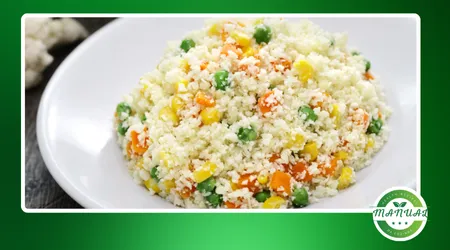
Cauliflower has a mild flavor, making it a perfect canvas for creative seasonings.
For a Mediterranean twist, try black olives, sun-dried tomatoes, and fresh basil. An Indian version might include curry, cilantro, and a dash of coconut milk.
Check out this interesting recipe: Rice and Risotto Recipe — Low-Carb and Ketogenic Versions Based on Cauliflower or Broccoli
Want something bolder? Toast grated cauliflower in the oven for 10 minutes before sautéing. This adds a slightly smoky flavor, perfect with grilled meats.
Recipes That Go Beyond the Basics
Cauliflower Rice with Avocado and Lime
Ideal for hot days, this combination combines creaminess and acidity.
Simply mix the already sautéed “rice” with diced avocado, lime juice, red onion and chili pepper.
Cauliflower Rice with Bacon and Chives
A low carb classic that pleases everyone.
Brown cubes of bacon, reserve the fat, and use it to sauté the cauliflower. Finish with chopped parsley and a pinch of black pepper.
Storage and Shelf Life: How to Keep It Longer
Raw cauliflower rice (just grated) will last up to 3 days in the refrigerator in an airtight container.
The cooked version should be consumed within 48 hours. To freeze, spread it on a baking sheet before placing it in the freezer, preventing the grains from sticking together.
Frequently Asked Questions
1. Can I use frozen cauliflower?
Yes, but drain well and dry with a kitchen towel before using.
2. Can cauliflower rice replace regular rice in all recipes?
Almost all! Except in dishes that rely on starch for texture, like creamy risottos.
3. How to prevent it from becoming watery?
Do not cover the pan during cooking and sauté over medium-high heat.
Conclusion: A Nutritional Revolution on Your Plate
Prepare low carb cauliflower rice It's more than just following a trend – it's adopting a smart eating habit.
With simple techniques and fresh ingredients, you can create delicious, nutritious dishes that adapt to any lifestyle.
Now it's your turn: try it today and discover how small changes can transform your relationship with food. Your health deserves this care.