
How to make São Paulo vegetable couscous
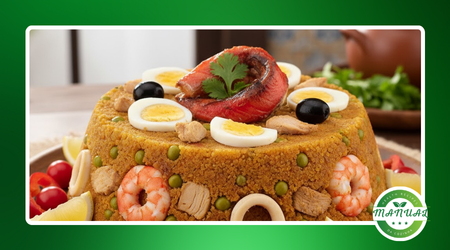
São Paulo's vegetable couscous has always held a prominent place in Brazilian cuisine. It's a gastronomic chameleon.
Adverts
The São Paulo version, notable for its cake shape and rich ingredients, is an icon.
The tradition of seafood or pork dishes is undeniable, but the demand for lighter meals has grown. That's why the vegetable version has gained so much popularity.
Adapting regional dishes is a sign of culinary and social maturity.
It's 2025, and healthiness It's an imperative, no longer a passing trend. Vegetable consumption has increased significantly in recent years.
Adverts
According to the 2024 survey “Healthy Eating and Organic Consumption in Brazil”, 75% of Brazilians seek more vegetables in their diet.
This change in habits has boosted creativity in the kitchen. Vegetable couscous fits perfectly into this new dietary landscape. It offers nutrition without sacrificing its distinctive flavor.
Uncovering the Secret of Perfect São Paulo Couscous
Make a good São Paulo vegetable couscous It's not just following a recipe. It's understanding the texture and the harmony of the ingredients. The secret lies in the balance of the moist dough and the filling.
The cornmeal, the base of the dish, must be hydrated just right. The result should be firm enough to hold its shape, but at the same time, it needs to be soft to the touch with a fork.
Think of the process as assembling a tasty puzzle. Each vegetable added has its own structural and flavorful role. A well-sautéed onion is the aromatic starting point.
The beauty of the dish is also essential. It's an edible showcase, vibrant and appetizing. A well-prepared couscous enchants even before the first bite.
Read more: The best accompaniments for cheese fondue
O Mise en Place: Essential Ingredients and the Right Choice
The quality of the raw material is non-negotiable. For a São Paulo vegetable couscous of excellence, start with fresh vegetables. Carrots, zucchini, and fresh peas are the basic trinity.
A good sauté is the soul of the filling. Use extra virgin olive oil to enhance the natural flavor of the vegetables.
Fresh seasonings, such as parsley and freshly ground black pepper, make all the difference.
Don't forget the items that give the São Paulo "face." Sliced hard-boiled eggs and black or green olives are essential for decoration and flavor.
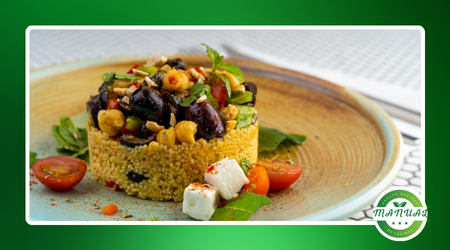
Peeled tomatoes, instead of paste, add a more natural acidity.
Here's a handy guide to the basic proportions:
| Ingredient | Quantity (Example for 6 servings) | Function on the Plate |
| Corn Flour (fine flakes) | 300g | Base and Structure |
| Vegetable Broth (homemade) | 500ml | Hydration and Flavor |
| Chopped Vegetables (carrots, zucchini) | 200g | Filling and Texture |
| Olive oil | 3 tablespoons | Flavor Conduction |
| Boiled Eggs | 3 Units | Decoration and Nutrition |
Step by Step Guide to Brilliant Execution
Start preparing the vegetable broth Homemade; the difference in flavor is immense. It will be used to hydrate the flour, imparting depth. Set aside.
++ Italian eggplant caponata recipe
In a pan, sauté the onion and garlic in olive oil until lightly browned. Add the chopped vegetables and cook until tender. al dente, maintaining the color. Season with salt and pepper in moderation.
Mix this vegetable sauté with the cornmeal, which has been hydrated by the hot broth. The mixture should reach the ideal moisture level, making it compactable. If it's dry, add a little more broth.
Now for the assembly, which is the artistic part. Grease the bundt pan well and decorate the bottom and sides. Use egg slices and red bell pepper strips for an attractive look.
For example, a layout The classic dish alternates egg slices and black olives on the bottom. Another suggestion is to use cilantro leaves for a burst of green on the sides.
Fill the mold with the dough, pressing it down gently.
++ Brazilian regional side dishes reinvented
Steam for about 20 to 30 minutes, depending on the thickness of your couscous. Once firm, remove and let cool completely before unmolding.
Patience is key to success here.
Golden Tips and Creative Variations
A versatility of São Paulo vegetable couscous Allows for countless seasonal adaptations. In winter, add sautéed fresh mushrooms and steamed broccoli.
In summer, cherry tomatoes and fresh basil leaves.
++ Learn more about Vegetable Couscous
Avoid the common mistake of overcooking vegetables; they need texture. Overly soft vegetables make the pasta homogeneous and bland, losing its individuality.
Texture contrast is vital to the experience.
A squeeze of Sicilian lemon in the stew at the end can elevate the flavor. It adds an unexpected and welcome citrus note. Why settle for the basics when excellence is possible?
An interesting statistic: recipes that incorporate seasonal ingredients tend to have higher 40% engagement online. This connection with nature and freshness is valued.
Think about São Paulo vegetable couscous like a Persian rug.
The base is the same, but the richness of the details and colors you add makes it a unique work of art. It's not just food, it's a celebration!
Tasty Conclusion
São Paulo vegetable couscous is more than a healthy alternative to the traditional dish. It's a manifestation of creativity in modern cuisine.
Its beauty and flavor make it a star on any table.
It represents the best of Brazilian cuisine: deep flavor, accessible ingredients, and adaptability.
This recipe, using these techniques, guarantees a dish worthy of a sophisticated banquet. Serve it as a main course or side dish at your next event!
Frequently Asked Questions
Can I use pre-cooked cornmeal?
Yes, it's the best choice for this recipe. Finely flaked cornmeal, commonly called corn flakes, provides the ideal texture and absorbs moisture well.
Can couscous be frozen?
São Paulo couscous is best consumed fresh. Freezing can alter the texture of the flour and vegetables, leaving it with a less pleasant consistency after thawing.
How can I ensure that it doesn't fall apart when unmolding?
The secret is the moisture in the dough and the resting time.
The dough must be compacted in the pan, and the couscous must be unmolded. only after it has cooled completely, ensuring structural strength.