
Difference between biological and chemical yeast and when to use each one
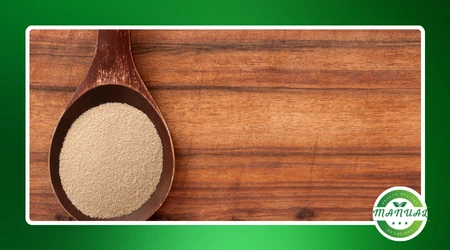
Master the Difference between biological and chemical yeast It's more than a technical issue; it's the secret to the success and perfect texture of your recipes.
Adverts
The correct yeast guarantees the expected result.
If you've ever ventured into the kitchen, preparing bread, cakes or cookies, you've certainly been faced with the crucial choice between two essential ingredients: yeast and baking powder.
The fundamental distinction lies in the nature and mode of action of each. Biological yeast, the rising agent in artisanal breads, is composed of living organisms.
They are actually yeasts, usually Saccharomyces cerevisiae. These single-celled cells breathe and feed.
Adverts
How do yeasts work to raise dough?
The yeasts in the yeast transform the sugars in the dough, producing carbon dioxide and ethyl alcohol.
This biological process is called fermentation. Carbon dioxide bubbles are trapped in the gluten network. This is what causes the dough to rise slowly.
Bread dough rising is an organic process. It takes longer, but it imparts flavor and a complex structure.
Fermentation is sensitive to temperature and resting time. It's crucial to respect the kneading time.
What is baking powder and how does it work?
++How to make São Paulo vegetable couscous
Baking powder, on the other hand, is an inorganic compound. It contains no living organisms. It's a mixture of an acid, a base, and starch for stabilization. The chemical reaction that generates the gas is immediate.
It's usually activated upon contact with moisture and heat. Carbon dioxide is released rapidly during cooking. This rapid action is ideal for quick recipes.
Why the Difference between biological and chemical yeast influence the final result?
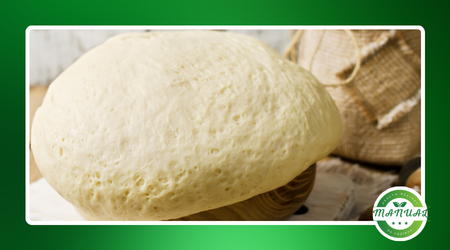
The choice of yeast determines the final texture, flavor, and structure. They shape the outcome of the recipe. Think of biological fermentation as a marathon.
++Cooking with children: ideas to involve little ones
It requires patience and resistance. The bread will have a crispy crust and an airy crumb.
Baking powder, on the other hand, is like a hundred-meter dash. It's explosive and fast. It gives cakes and cookies instant lightness and tenderness.
Example 1: One sourdough (naturally leavened bread) with biological yeast has a slightly acidic flavor. Its dough is resistant and full of large alveoli.
Chemical yeast would not be able to achieve this structure.
++Frozen dessert with just 3 ingredients
Example 2: A cake Red Velvet requires chemical leavening. It needs to rise evenly and quickly. Biological leavening would alter the cake's texture and delicate flavor.
When and why should we use biological yeast?
Biological yeast is the lifeblood of all recipes that require elasticity. Breads, pizzas, esfihas, and brioches are its territory.
Its slow action develops the gluten network, ensuring its characteristic chewiness.
It gives the flavor umami complex of well-fermented bread. Yeast is the structure-building agent.
What are the types of biological yeast and which one to use?
There are fresh yeast (in tablets) and dry yeast (granules). Fresh yeast is more perishable and requires refrigeration. Dry yeast is more concentrated and has a longer shelf life.
When substituting fresh for dried, the ratio is crucial. Use about one-third of the amount of fresh.
In which recipes is baking powder essential?
Baking powder is the star of cakes, muffins, cookies, and pancakes. It's used in doughs that don't require kneading. Doughs with little or no gluten are ideal.
The rapid release of gas prevents the dough from becoming heavy. It is activated by the humidity and heat of the oven. It avoids the waiting time for biological fermentation.
Why can incorrect use ruin the recipe?
Using yeast in a cake would result in a strong flavor. The rise would be inadequate, and the texture would be dense. Inverting the yeast mixture risks failure.
If used in bread, baking powder would result in a heavy dough. The bread would lack structure and its characteristic flavor. Knowing the Difference between biological and chemical yeast is crucial.
Research and Data: Why is fermentation a cultural and economic factor?
Bread, made with biological yeast, is an ancient food. According to data from Euromonitor International, artisanal baking has grown. The demand for slow-fermented breads is global.
In 2024, the market for sourdough breads grew by approximately 15% in Brazil. This demonstrates the appreciation for authentic flavor. Consumers seek products with greater added value.
Quick Comparison Table:
| Feature | Biological Yeast | Chemical Yeast |
| Nature | Living organism (Yeast) | Inorganic chemical compound |
| Action | Slow, requires time and moderate heat | Fast, activated by humidity and heat |
| Flavor | Develops complex flavor (Umami) | Neutral, does not alter the flavor |
| Typical Use | Breads, pizzas, fermented doughs | Cakes, muffins, cookies, pancakes |
Conclusion: Mastering the Difference between biological and chemical yeast for culinary mastery
In short, the Difference between biological and chemical yeast is the compass in the kitchen. Remember, biological is life and patience for structure. Chemical is speed and lightness for tenderness.
Isn't choosing the right ingredients the first step to the success of your next masterpiece? Understanding the nature of each growth agent turns a chef into an alchemist.
Choosing the right yeast prevents waste and ensures satisfaction. This understanding is what separates an amateur cook from a chef experienced.
Frequently Asked Questions
Can I substitute one for the other in the same recipe?
Not recommended. The change drastically alters the texture and flavor. Bread dough requires the slow action of biological agents. Cakes need the rapid reaction of chemicals.
Is biological yeast healthier?
Both are safe to consume. Organic can be considered "more natural" because it's a living organism. Fermentation can also aid in the digestibility of gluten in bread.
Can I use baking powder to make bread?
Yes, technically. However, the result will be a dense "quick bread" lacking in flavor. It won't have the light, airy structure of traditional bread.
How should I store each type of yeast?
Fresh yeast should be stored in the refrigerator. Dry yeast can be stored in a cool, dry place, hermetically sealed. Baking yeast should also be stored in a dry place, away from moisture.
Is it necessary to hydrate the baking powder before use?
No. Baking powder is added directly to the dry ingredients. Its reaction begins when it comes into contact with the liquids in the recipe. Dry baking powder may need to be activated in warm water.