
The powers of ginger: natural anti-inflammatory
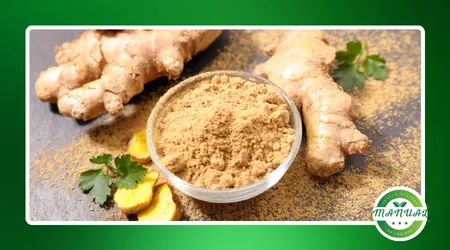
The powers of ginger go beyond the simple function of seasoning, establishing itself as a true superfood.
Adverts
This ancient rhizome, acclaimed by diverse cultures, holds valuable secrets for health and well-being.
It's not just flavor; it's concentrated natural medicine, a powerful ally against silent inflammation. Today's focus is on its unparalleled anti-inflammatory properties.
Ginger's chemical richness is the key to its remarkable therapeutic effects.
The rhizome's unique composition, packed with bioactive compounds, deserves close attention. Highlights include gingerols, shogaols, and zingerones, its main components.
Adverts
They work synergistically to modulate the human body's inflammatory responses.
How do gingerols work in the body against inflammation?
You gingerols are the most abundant in fresh ginger and act as powerful antioxidants. They inhibit the production of pro-inflammatory cytokines, minimizing swelling and pain.
This process is similar to that of some medications, but it's natural and has fewer adverse effects. It's a sophisticated and very welcome biological response.
Why is inflammation a problem and how can ginger help?
Chronic inflammation, often subtle, is the root of many modern diseases.
It is linked to conditions such as arthritis, type 2 diabetes and even heart disease.
Taking preventative action to combat this low-grade inflammation is essential for a long and healthy life.
++Difference between biological and chemical yeast and when to use each one
What are the practical applications of ginger in everyday life?
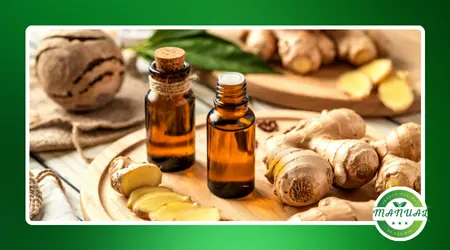
Incorporating ginger into your diet is surprisingly easy and effective. From warm teas to invigorating juices, the options are vast and delicious.
The powers of ginger can be experienced in a variety of ways, depending on your creativity in the kitchen. Their pungent, fresh flavor complements both sweet and savory dishes.
++The benefits of eggs in your daily diet
Is ginger effective for post-workout muscle soreness?
Yes, and this is one of its most popular and well-documented uses. Regular consumption of ginger can alleviate delayed onset muscle soreness, also known as DOMS.
Athletes and exercisers benefit greatly from this natural and effective property. The powers of ginger offer a faster and less painful recovery.
Explore more: Benefits of extra virgin olive oil for heart health
Example 1: Imagine a marathon runner who, after an intense workout, feels heavy and sore in his legs.
A small ginger shot Lemongrass can reduce inflammation in muscle fibers, allowing a faster return to activity. The rhizome acts as an internal balm, calming the system.
Does ginger improve digestion and combat nausea?
Popular tradition and modern science confirm the use of ginger for the digestive system.
It's excellent for treating nausea, including that caused by pregnancy or chemotherapy. The rhizome accelerates gastric emptying, providing quick and significant relief.
What is the safe and recommended dosage to obtain the benefits?
Generally, consuming 1 to 3 grams of ginger per day, fresh or dried, is ideal for most people.
This amount is enough to enjoy The powers of ginger without causing gastric discomfort.
However, always consult a healthcare professional, especially in cases of pre-existing medical conditions.
| Form of Consumption | Recommended Dosage (Daily) | Main Benefit |
| Fresh Ginger (grated) | Anti-inflammatory and Digestive | |
| Dried Ginger (powdered) | Nausea and Muscle Pain | |
| Ginger Tea (infusion) | Comfort and Immunity |
What does the latest science say about ginger?
Scientific research continues to unravel the complexities of this remarkable ingredient. A growing body of evidence supports its role in modulating crucial inflammatory pathways.
The scientific community is looking for new therapeutic applications for its compounds.
A meta-analysis study published in 2024 in the Journal of Ethnopharmacology analyzed randomized clinical trials.
The study concluded that ginger supplementation was significantly effective in reducing the inflammatory markers C-reactive protein (CRP) and interleukin-6 (IL-6) in patients with chronic diseases.
The result reinforces the thesis that The powers of ginger are a clinical reality.
Ginger works on the body like a diligent gardener on an untended garden.
Inflammation is the weed; ginger, in turn, removes these weeds at the root, allowing the flowers of health to bloom unhindered.
What precautions and contraindications should be observed?
While safe for most people, ginger can interact with certain medications, such as blood thinners.
In excess, it can cause heartburn or diarrhea in sensitive individuals. It's wise to moderate consumption, especially if you're already taking ongoing medications.
Responsibility in food is always imperative.
Example 2: A person taking warfarin (anticoagulant) decides to consume large amounts of ginger extract daily.
The risk of bleeding increases because ginger has a mild anticoagulant effect. Proper information is vital for safe consumption.
Why does ginger deserve a prominent place in your diet?
In a world where the search for natural and sustainable solutions is growing, ginger stands out.
It offers a powerful and affordable alternative for managing inflammation and promoting overall health.
The powers of ginger are a gift from nature, waiting to be fully enjoyed.
Statistics show that more than of Brazilians already use teas and natural spices as a first line of defense against seasonal illnesses. This number is indicative of a return to roots.
Isn't it time we gave more value to these plant treasures that nature itself offers us? The answer seems obvious.
The Powers of Ginger: Conclusion
Ginger transcends the label of exotic spice, establishing itself as a pillar of preventive and integrative medicine.
Its anti-inflammatory action, anchored in compounds such as gingerols, is an effective weapon against chronic inflammation. Integrating it into your diet is a smart step toward optimal health.
A columnist's responsibility is to bring true and relevant information to light.
And in this case, the truth is that The powers of ginger deserve your attention, proven by science and ancient experience.
Frequently Asked Questions about the Powers of Ginger
Does ginger lose its properties when cooked?
Cooking can convert some of the gingerols into shogaols, which are even more potent in some ways. Although the profile changes, their beneficial properties, especially their anti-inflammatory properties, are retained.
Fresh or powdered ginger: which is better?
Fresh ginger has a higher concentration of gingerols, ideal for anti-inflammatory and nausea relief. Powdered ginger has more shogaols and is more potent for pain relief, both of which are valuable.
Is there an ideal time to consume ginger?
There's no hard and fast rule. Consuming it in the morning can stimulate digestion, and at night, it can help reduce accumulated inflammation from the day. The important thing is consistency.
Can ginger help you lose weight?
Yes, indirectly. Ginger has a mild thermogenic effect, which can increase calorie expenditure. Furthermore, by improving digestion, it contributes to a more efficient metabolism.