
Benefits of extra virgin olive oil for heart health
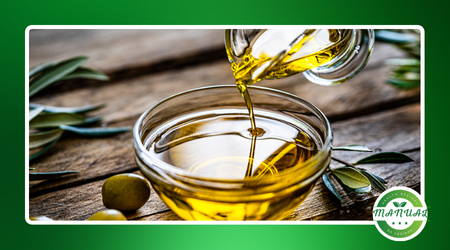
In this article, we will explore the multiple benefits of extra virgin olive oil and how he became a guardian of cardiovascular health
Adverts
Few ingredients in global cuisine arouse as much fascination and recognition as olive oil, especially the extra virgin type.
It's not just a touch of flavor; it's a pillar of health and well-being.
Extra virgin olive oil is a powerful ally for heart health. The secret lies in its unique compounds, primarily monounsaturated fatty acids and polyphenols.
These elements work in harmony to fight inflammation and protect the cardiovascular system.
Adverts
The Science Behind Flavor: How Olive Oil Works
The foundation of the Mediterranean diet is olive oil, and not by chance. Populations following this eating pattern have a significantly lower incidence of heart disease.
Modern science has validated this empirical observation.
One of the main mechanisms of action of olive oil is its ability to reduce LDL cholesterol, known as “bad cholesterol”.
It does this without compromising HDL cholesterol, the “good cholesterol,” which plays a protective role.
Additionally, the antioxidant richness of extra virgin olive oil helps protect cells from oxidative stress.
This protection is vital to prevent damage to artery walls, which could lead to atherosclerosis. Atherosclerosis is a major risk factor for heart attacks and strokes.
Read more: Whole wheat wrap with grilled chicken and natural yogurt sauce
Polyphenols: The Protective Shields of Olive Oil
Polyphenols are bioactive compounds found in abundance in extra virgin olive oil.
They're responsible for its bitter and pungent flavor, but more importantly, they're the silent heroes behind its beneficial effects. They act as powerful anti-inflammatories.
Chronic inflammation is a key driver of cardiovascular disease. By modulating the inflammatory response, olive oil polyphenols help maintain blood vessel health.
This action is like having a team of miniature superheroes protecting your arteries.
A 2017 Harvard University study indicated that consumption of extra virgin olive oil was associated with a lower risk of cardiovascular disease mortality.
This study strengthens the consensus that it is an essential component of longevity.
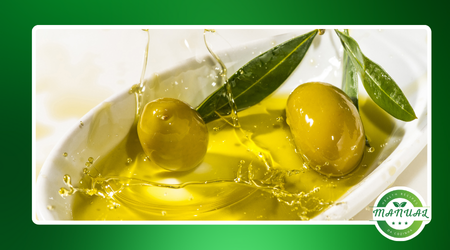
A Touch of Flavor, A Dose of Health
Incorporating olive oil into your daily routine is easier than you might think. It can replace other, less healthy fats in almost any recipe.
Imagine topping a fresh arugula and cherry tomato salad with olive oil, a touch of sea salt, and black pepper.
Another option is to use it to sauté vegetables or roast fish. It not only adds flavor and complexity but also improves the absorption of fat-soluble vitamins.
Vitamins A, D, E and K depend on fats to be assimilated by the body.
Olive oil can also be used on a simple slice of toast. Drizzled generously with olive oil, salt, and a little minced garlic is a classic.
This practice, common in Mediterranean cuisine, is a practical example of benefits of extra virgin olive oil.
++ Sweet potato: healthy energy for your daily life
The Importance of Choosing the Right Olive Oil
Not all olive oil is created equal. To harvest the benefits of extra virgin olive oil, it is crucial to choose a high-quality product.
The term “extra virgin” means that the olive oil was extracted without the use of heat or chemical solvents, thus preserving its nutrients.
The difference between extra virgin olive oil and other types, such as plain olive oil or pomace olive oil, is huge.
The production of extra virgin olive oil is an artisanal process. It is the pure juice of olives, obtained mechanically.
The purity of the olive oil directly impacts the presence of polyphenols and antioxidants. A higher-quality extra virgin olive oil will have a more robust flavor and a more intense color.
This slightly bitter and spicy flavor is indicative of freshness and a high concentration of beneficial compounds.
++ Eating fish regularly: benefits for your routine
Beyond the Heart: Other Benefits of Olive Oil
The list of benefits of extra virgin olive oil goes beyond cardiovascular health. It plays a fundamental role in protecting the brain.
Studies indicate that olive oil may help combat cognitive decline associated with aging.
The presence of antioxidants contributes to skin health. Extra virgin olive oil is a popular ingredient in cosmetic products.
It moisturizes the skin and offers protection against damage caused by free radicals.
Including olive oil in a balanced diet can also contribute to digestive health. It can help prevent problems like constipation.
Its bioactive compounds support the proper functioning of the gastrointestinal tract.
++ Olive oil is good for your heart; see 8 more benefits of this good fat
The Power of the Mediterranean Diet
The Mediterranean diet, with olive oil at its core, is not a passing fad. It is a proven, sustainable eating model.
Low consumption of red meat and dairy products, and high consumption of fish, vegetables and whole grains, contribute to a healthy lifestyle.
A combination of healthy eating habits and regular physical activity is the recipe for a long life. Regular consumption of extra virgin olive oil is an integral part of this combination.
Did you know that regular olive oil consumption is associated with a reduction of up to 30% in the risk of cardiovascular events? This impressive statistic shows just how powerful it can be.
Olive oil is the tastiest investment you can make in your health.
Conclusion: The Touch of Health on Your Table
Extra virgin olive oil is not just a cooking fat; it is an elixir for the heart and body.
Your benefits of extra virgin olive oil for cardiovascular health are indisputable and scientifically proven.
Choosing a quality olive oil is a simple but significant step towards a healthier life.
After all, why not add a touch of health and flavor to your meals? The journey to a healthier life can start with a simple drizzle of olive oil.
Using extra virgin olive oil is a simple and delicious way to take care of yourself and your family.
Frequently Asked Questions
What is the difference between olive oil and extra virgin olive oil?
Extra virgin olive oil is the purest form, obtained from the first cold pressing of olives. It retains more nutrients and polyphenols.
Regular olive oil goes through refining processes, losing much of its beneficial properties.
Can I use extra virgin olive oil for frying?
Yes, extra virgin olive oil has a relatively high smoke point, between 180°C and 200°C. It can be used for light frying, but is ideal for sautéing, roasting, and finishing dishes.
Where can I find quality extra virgin olive oil?
Look for labels that indicate the harvest and origin of the olives. Olive oils from small producers or with quality seals are generally good choices.
Choose dark glass bottles, which protect the oil from light.