
Brown rice recipe with sautéed vegetables
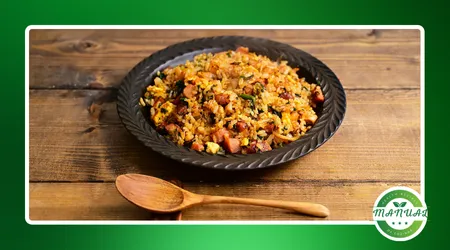
The recipe for brown rice with sautéed vegetables represents a perfect balance point in the search for a diet that combines pleasure and well-being.
Adverts
It's a complete meal, rich in nutrients and incredibly tasty, ideal for the hustle and bustle of everyday life.
Brown rice is distinguished from its white cousin for one simple reason: it preserves the outer layers of the grain.
These layers contain most of the essential fiber, vitamins and minerals.
Consuming whole grains means choosing a food that low glycemic indexThis characteristic promotes the release of glucose into the blood in a slower and more stable manner.
Adverts
This slow digestion contributes to a greater feeling of fullness. It helps prevent insulin spikes, a crucial benefit for metabolic health.
Replacing white rice with brown rice is a small step with a big impact. It's not just a dietary change, it's a smart health decision.
Many people are reluctant to change the texture, but proper cooking ensures tender, flavorful grains. Modern cuisine embraces this versatility.
Vegetables: The Color and Nutrient Palette
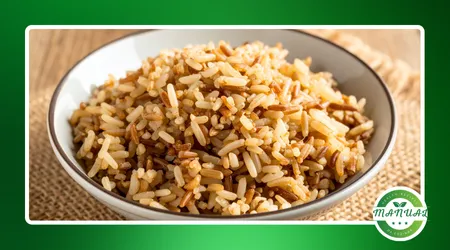
The sautéed vegetables add a vibrant dimension to this dish. They provide vitamins, minerals, and most importantly, antioxidants.
The sautéing technique, using a small amount of extra virgin olive oil, preserves the crunchy texture. This enhances the natural flavor of each vegetable.
++Fluffy vegan chocolate cake with cocoa frosting
Think of a plate as a canvas: the green of broccoli, the orange of carrots, the purple of red onions. Each color indicates a different, valuable phytochemical.
This nutritional variety is key to strengthening the immune system and protecting cells from damage.
The plate becomes a protective shield.
++Light dinner: healthy recipes to end the day well
Mixing textures—the softness of the grain with the crunchiness of the legume—makes the gastronomic experience much richer. Eating well is also eating with pleasure.
Base Recipe of Brown Rice with Sautéed Vegetables (For Four People)
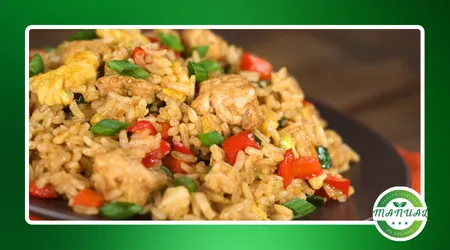
Prepare the brown rice with sautéed vegetables does not require skills of chef, just pay attention to cooking times. The secret is in the mise en place.
Start by cooking 2 cups of brown rice. Add 4 cups of water and a little salt, and cook for about 30 to 40 minutes.
++Ketogenic Diet: Benefits, Risks, and 5 Easy Recipes to Get You Started
Meanwhile, cut the vegetables: 1 carrot into cubes, 1/2 broccoli into florets, 1/2 zucchini into half moons and 1/2 yellow pepper into strips.
In a large skillet, heat 2 tablespoons of olive oil. Add 2 minced garlic cloves and sauté briefly.
Add the firmer vegetables (carrots and broccoli) first. Let them cook for 5 minutes, keeping the heat high.
Then add the softer vegetables (zucchini and bell pepper). Sauté for another 3 minutes. Season with salt, pepper, and a touch of grated ginger.
++Cold bowl of brown rice with sautéed vegetables and chicken
Mix the cooked rice with the sautéed vegetables in the pan. Finish with fresh parsley.
Preparation is quick and efficient, ideal for those with busy schedules. The result is a nutritious lunch or dinner.
The Health Impact and the Scientific Argument
Including whole grains in your diet is linked to numerous benefits. They are the foundation of a preventative diet.
A large meta-analysis published in the British Medical Journal in 2017, which reviewed 45 studies, showed an important association.
She indicated that the consumption of whole grains is inversely related to the risk of cardiovascular disease.
The data suggest that increasing whole grain intake may lead to a significant reduction in risk.
For each additional serving per day, the risk of coronary heart disease decreased by 9%. This highlights the strength of the brown rice with sautéed vegetables as a functional meal.
This dish acts as a “cleaning” for the body, providing fiber that helps eliminate toxins.
It is much more than a carbohydrate; it is a source of life.
The dish behaves in the body like a hybrid car: it uses the energy of complex carbohydrates and the power of micronutrients. This synergy ensures performance and longevity.
Personalization: The Versatility that Transforms Recipes
The beauty of this recipe lies in its flexibility. It works with virtually any vegetable you have in the fridge.
Swap zucchini for fresh mushrooms or broccoli for cauliflower. Adding a handful of cashews or almonds adds crunch and healthy fats.
This adaptability ensures that the recipe never becomes monotonous. It's proof that eating healthy doesn't mean always eating the same thing.
You can transform the brown rice with sautéed vegetables in a themed meal each day of the week. Change the seasoning: curry for an Indian touch, or soy sauce and sesame for an Asian twist.
| Vegetable Substitution (Examples) | Seasonings for Variation | Additions to Enhance |
| Cauliflower, Green Beans, Peas | Curry Powder, Smoked Paprika | Cashew Nuts, Boiled Egg |
| Beets, Eggplant, Okra | Ginger, Sicilian Lemon | Cottage Cheese, Pumpkin Seeds |
This table demonstrates the creative freedom the recipe offers. The important thing is to maintain nutritional balance and high nutrient density.
The recipe for brown rice with sautéed vegetables is an invitation to innovation in the kitchen.
Conclusion: A Smart and Tasty Choice
Modern life demands practical solutions, but we cannot sacrifice nutritional quality. The plate of brown rice with sautéed vegetables meets this demand masterfully.
It is the materialization of the concept of “real food” in a single dish.
By choosing this meal, a person isn't just preparing something to eat. They're actively investing in their longevity and quality of life.
What better gift can we give ourselves than caring for what nourishes us?
Frequently Asked Questions
Does brown rice need to be soaked before cooking?
Yes, soaking brown rice for 8 to 12 hours can help reduce cooking time and improve digestibility by activating enzymes.
Can I freeze ready-made brown rice with sautéed vegetables?
Yes, you can. Store in individual airtight containers. It keeps well for up to 30 days, although the texture of the vegetables may soften slightly after thawing.
What is the best olive oil for sautéing vegetables?
Extra virgin olive oil is a great option. It contains healthy fats and has a smoke point suitable for sautéing, which prevents oxidation.