
Types of Salt: What Are They and Which Is Best for Your Health?
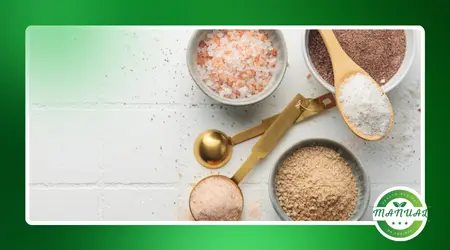
The different ones types of salt They are not just condiments in the kitchen, but also varied sources of nutrients and health benefits.
Adverts
There is a lot of talk about the impact of salt on our diet, and understanding its varieties can make the difference between healthy consumption and the risks associated with excess.
Read the text and find out more!
The Importance of Salt in Your Diet
Salt is essential for the functioning of the body, being fundamental for the regulation of water balance, nerve transmission and muscle contraction.
According to the World Health Organization (WHO), the maximum recommended sodium intake is 2,000 mg per day, equivalent to 5 grams of salt.
Adverts
However, a large part of the population exceeds this limit due to the consumption of processed and ultra-processed foods.
It is important to highlight that excessive salt consumption can lead to several health problems, such as high blood pressure, cardiovascular diseases and fluid retention.
On the other hand, a lack of sodium can also cause imbalances, including cramps, fatigue and even seizures in severe cases.
Throughout history, salt has played an essential role, not only in nutrition, but also as a currency and food preservative.
Its cultural and economic impact reflects its importance in different societies.
Furthermore, salt is an ally in preserving food and enhancing flavors, performing functions that go beyond simple seasoning.
Its ability to attract water is crucial in several culinary techniques, such as curing and smoking food.
+ How to Make Artisan Bread at Home: Tips, Recipes and Master Secrets
Main Types of Salt
1. Refined Salt
Common table salt is the most commonly used salt in everyday life.
It goes through a refining process that eliminates impurities, but also removes important minerals.
It is often iodized to prevent nutritional deficiencies.
| Features | Benefits | Limitations |
|---|---|---|
| Contains only sodium | Prevents iodine deficiency | Little mineral variety |
| Fine texture | Dissolves easily | May contain additives |
Although widely available and inexpensive, refined salt has considerable limitations due to the removal of minerals during refinement.
This makes it a less nutritious choice when compared to other types of salt.
Furthermore, excessive consumption of this type of salt is associated with increased blood pressure and the risk of chronic diseases.
Therefore, it is essential to use it in moderation and look for healthier alternatives.
Refined salt is also often used in processed products, which contributes to excessive sodium consumption in the modern diet.
Reducing your intake of these foods can be an effective strategy for improving your health.
2. Sea Salt
Obtained by evaporating seawater, this type preserves more minerals, such as magnesium, calcium and potassium.
It is less processed, which can make it a more natural option.
One advantage of sea salt is its more complex and less intense flavor, allowing you to enhance the taste of food without the need for large quantities.
Furthermore, its texture varies from fine to coarse, which makes it versatile for different culinary uses.
However, it is important to check the origin of sea salt, as it may contain microplastics and other impurities from ocean pollution.
Choosing trusted brands helps minimize these risks.
Sea salt also has regional variations, such as Celtic salt, known for its grayish color and high moisture content, which offers a distinct flavor and additional benefits.
3. Himalayan Salt
With a pink color, it is extracted from mines in Pakistan.
Rich in minerals, it is known for its milder flavor and contains up to 84 different types of trace elements.
Himalayan salt is valued for its alkalizing properties and the presence of iron, which contributes to its unique hue.
Its use is not limited to cooking, and is also popular in wellness therapies, such as relaxing baths.
Despite its benefits, it is important to remember that the nutritional differences compared to other salts are not so significant as to justify excessive consumption. Moderation is the key.
This type of salt is also often used in decorations, such as salt lamps, which are said to promote health benefits by releasing negative ions into the environment.
4. Fleur de Sel
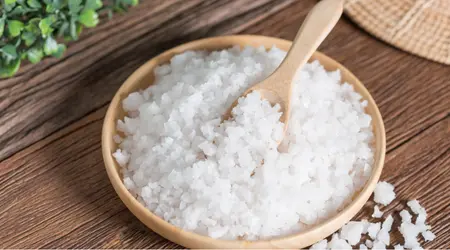
This is a gourmet salt, formed by the thin layer of crystals that float on the surface of the salt flats.
It is valued for its delicate texture and less intense flavor, ideal for finishing dishes.
Because it is collected manually, fleur de sel is a premium product, with a higher price.
However, its use as a dish finisher allows small quantities to be sufficient to enhance flavors.
Furthermore, fleur de sel is rich in minerals, which contributes to a unique culinary experience.
Its versatility makes it indispensable in haute cuisine recipes.
Fleur de sel is especially appreciated in dishes such as grilled meats and desserts, where its crunchy texture and delicate flavor create a unique contrast.
5. Types of salt: Black Salt (Kala Namak)
Widely used in Indian cuisine, it has a characteristic sulfurous flavor.
It is less concentrated in sodium, which can benefit those who need to restrict consumption.
Black salt is also known for its digestive properties and for being an interesting alternative in vegan diets, giving an egg-like flavor to dishes such as scrambled tofu.
Although less common in Western markets, kala namak has gained popularity due to the growing demand for healthier and more differentiated alternatives in the kitchen.
Black salt also contains sulfur compounds, which may offer digestive benefits and contribute to gut health in some cases.
| Type of Salt | Minerals Present | Main Indication |
|---|---|---|
| Marine | Magnesium, calcium, potassium | General use |
| Himalayas | 84 trace minerals | Finishing and gourmet cooking |
| Flower of Salt | Sodium, calcium | Flavor enhancement |
| Black Salt | Iron, sulfur | Vegan and Indian cuisine |
What is the Best Salt for Health?
Choosing the best salt depends on individual factors, such as health conditions and dietary preferences.
In general, opting for a less processed salt with greater mineral diversity is more advantageous.
Sea Salt: It is ideal for those looking for an alternative to refined sugar, due to its more natural composition.
Himalayan salt: With a rich variety of minerals, it is often associated with a more balanced approach to sodium consumption.
Flower of Salt: Although it is more expensive, it is excellent for those looking for an option to enhance the flavors of sophisticated dishes.
The choice of salt should also take into account the amount consumed daily.
Even the healthiest salts can be harmful in excess, reinforcing the importance of moderate consumption.
Finally, it is essential to consider aspects such as sustainability and environmental impact when choosing certain types of salt.
Choose brands that adopt ethical and environmentally responsible production practices.
See too: Barbecue vinaigrette recipes: innovative options
Conscious Consumption and Health
In addition to choosing the right type of salt, moderating the amount is essential to avoid problems such as hypertension and cardiovascular diseases.
Studies indicate that reducing consumption can significantly reduce the risk of premature death.
Implement simple measures such as:
- Read labels to identify sodium content.
- Replace salt with herbs and spices.
- Prepare fresh foods and avoid processed foods.
Making small changes to your daily routine makes all the difference to your long-term health.
Reducing the consumption of processed foods is another important step.
They are largely responsible for the excess sodium in the modern diet.
Opt for homemade preparations whenever possible.
In short, the secret is balance.
Choosing the salt that best suits your needs and consuming it in moderation is the smartest step to ensuring a healthy and functional diet.