
How to Make Artisan Bread at Home: Tips, Recipes and Master Secrets
Making artisan bread at home is not just an art; it is an experience that combines science, patience and a touch of creativity.
Adverts
In times of seeking healthier and more personalized food, artisanal breads stand out for their superior quality and unique flavor.
Here, you will learn everything you need to master this practice, including essential tips.
As well as three detailed recipes and secrets that will transform your kitchen into a true artisan bakery.
Continue reading and find out more:
Adverts
Why Make Artisan Bread at Home?
Making artisan bread at home is more than just a culinary task; it is an exercise in control over ingredients and a moment of connection with food.
Unlike industrialized breads, artisanal breads are free from artificial preservatives, colorings and other additives that can harm your health.
This way, you can ensure a more nutritious and tasty product.
Additionally, the artisanal process allows you to customize recipes to suit your needs and preferences.
Want a high-fiber whole-grain bread or a gluten-free version?
++ How to Make Sushi at Home? See the Step by Step!
When you control the recipe, these choices are in your hands.
This is particularly valuable for people with dietary restrictions or who are looking for more natural alternatives.
Finally, making artisanal bread at home is a therapeutic practice.
In short, the smell of baking bread, the feeling of shaping dough and the satisfaction of tasting something you made are rewards that transcend the simple act of cooking.
Essential Tips for Making Artisan Bread at Home
In the first place, choose quality ingredients.
The basis of good bread is in the ingredients.
Also, invest in quality flour, preferably organic.
Additionally, use natural yeast or fresh biological yeast for better results.
Water also makes a difference.
Therefore, opt for filtered water, as chlorine from the tap can interfere with the growth of yeast.
Master the Fermentation Process, fermentation is the heart of artisan bread.
In this sense, allowing the dough to rest for enough time helps to develop complex flavors and a perfect texture.
Additionally, if you can, try slow fermentation, letting the dough rest in the refrigerator for up to 24 hours.
In short, this method not only enhances the flavor but also improves the digestibility of the bread.
Control the Temperature the temperature of the water, dough and oven is crucial.
The water must be warm, between 37°C and 40°C, to activate the yeast.
In addition, the oven must be preheated correctly, and if possible, use a baking stone or a container with water to create steam, essential for a golden crust.
Recipe 1: Sourdough Bread
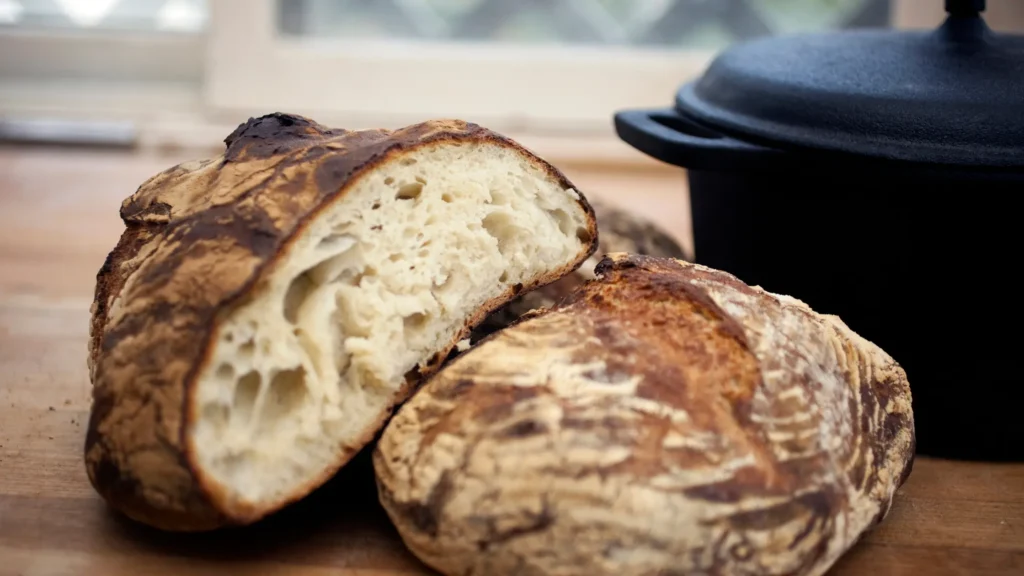
Ingredients
| Ingredient | Amount |
|---|---|
| Wheat flour | 500 g |
| Natural yeast (levain) | 200 g |
| Water | 350 ml |
| salt | 10 g |
Method of preparation
- Mix the flour and water until a homogeneous dough forms. Let it rest for 30 minutes (autolysis).
- Add the levain and salt, mixing well.
- Fold the dough every 30 minutes for 2 hours.
- Let it ferment for 6 to 8 hours at room temperature or 24 hours in the refrigerator.
- Shape the bread, let it rest for another hour and bake in a preheated oven at 240°C for 30-40 minutes.
Recipe 2: Wholemeal Bread with Seeds
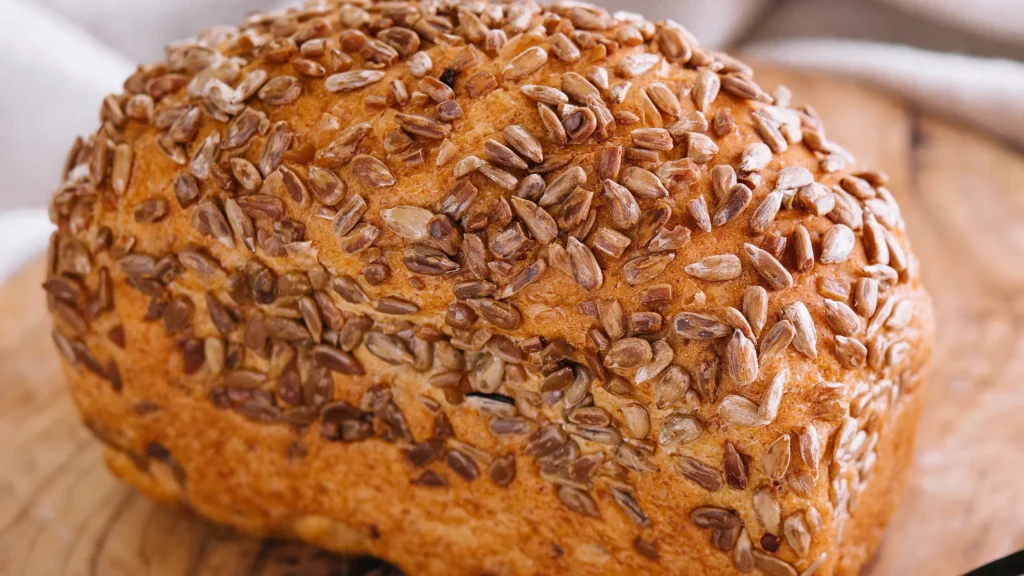
Ingredients
| Ingredient | Amount |
|---|---|
| Wholemeal flour | 400 g |
| White wheat flour | 100 g |
| Water | 350 ml |
| Dry biological yeast | 7 g |
| Honey or brown sugar | 1 tablespoon |
| salt | 10 g |
| Various seeds (linseed, sesame) | 50 g |
++ Homemade Vegetable Cheese: Check Out Some Delicious Recipes!
Method of preparation
- Mix the flours, yeast and salt.
- Add the water and honey, mixing until a dough forms.
- Add the seeds and knead for about 10 minutes.
- Let it ferment for 1 hour in a covered container.
- Shape, let rest for another 30 minutes and bake in a preheated oven at 200°C for 35 minutes.
Recipe 3: Gluten-Free Bread
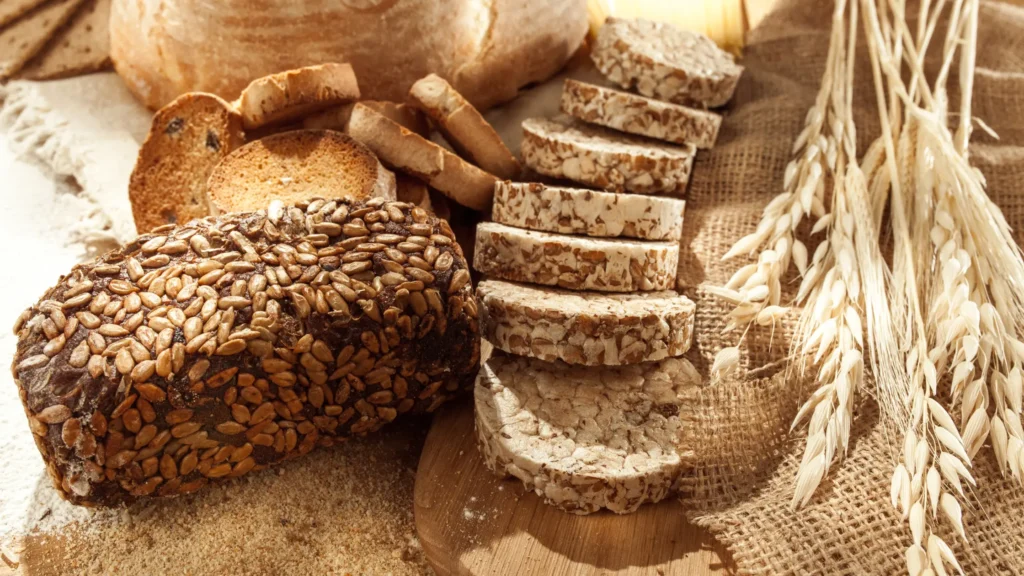
Ingredients
| Ingredient | Amount |
|---|---|
| Rice flour | 300 g |
| Sweet cassava starch | 100 g |
| Dry biological yeast | 10 g |
| Warm water | 350 ml |
| Vegetable oil | 3 tablespoons |
| salt | 10 g |
| Sugar | 1 tablespoon |
Method of preparation
- Mix the dry ingredients.
- Add the water and oil, stirring until a homogeneous dough forms.
- Let it rest for 1 hour in a warm place.
- Shape the dough into a greased pan and bake in a preheated oven at 200°C for 30 minutes.
Master Secrets
- Invest in Equipment An accurate scale, a banneton (proofing basket) and a good knife for cutting dough make all the difference. These details help ensure a professional finish.
- Understand the Power of Folds During fermentation, periodically folding the dough helps to strengthen the gluten and create a light, airy texture. This step is especially important in sourdough recipes.
- Learn from Experience Every time you make bread, something can change—the weather, the humidity, or even the ingredients. Keep a notebook to record what worked (and what didn’t). This way, you’ll refine your techniques and evolve as a baker.
Conclusion
Making artisanal bread at home is a journey that combines technical knowledge, experimentation and passion.
So, with the tips, recipes and secrets presented here, you are ready to explore the world of bread and create true masterpieces.
In short, remember: practice makes perfect, and every loaf you make is an opportunity to learn and grow.
So, get your hands dirty and discover the incomparable pleasure of creating artisanal breads in the comfort of your own home!