
Why does papaya aid digestion?
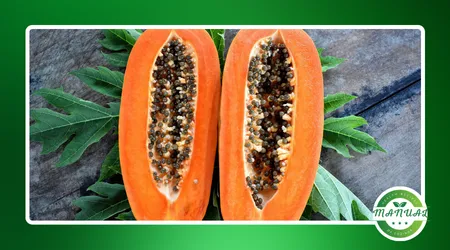
O papaya It's not just a ubiquitous fruit on breakfast tables; it's actually a sophisticated biological tool that acts on the digestive system with a precision that many synthetic drugs try to emulate.
Adverts
This effectiveness doesn't happen by chance. The combination of proteolytic enzymes, moisture-retaining fibers, and a robust vitamin profile creates the ideal environment for the body to process complex protein molecules without the usual metabolic strain.
In the following lines, we will deconstruct the science behind this food, analyzing how strategic consumption can make the difference between a day marked by gastric heaviness and a routine of true lightness.
Summary
- The biochemistry of papain and chymopapain.
- Fiber dynamics in intestinal flow
- Comparative nutritional analysis
- Consumption and utilization strategies
- FAQ: Essential Clarifications
How does the enzyme papain facilitate the breakdown of proteins?
The great advantage that the papaya It carries papain, an enzyme that appears to "cut" proteins with impressive ease.
In the stomach, it takes on a role similar to that of pepsin, transforming meats, eggs, and legumes into simple amino acids, thus saving the body a herculean effort.
Adverts
This accelerated decomposition prevents food from remaining in the digestive tract for too long. When food stagnates, fermentation kicks in, bringing with it the gases and bloating that ruins any productivity.
It is a preventative mechanism that acts even before the problem manifests itself.
Nutritional biophysics data from 2026 show something fascinating: papain can maintain its activity even with pH variations.
This means that, regardless of whether you have a more acidic or more alkaline stomach, the fruit will continue to work in your favor.
For those who live with hypochlorhydria — low stomach acid production — consuming fruit after main meals is not just a dessert choice, but a necessary functional intervention to ensure nutrient absorption.
What are the benefits of soluble fiber for the gut?
In addition to the enzymatic arsenal, the papaya It delivers a generous amount of pectin. This soluble fiber, upon encountering water in your system, creates a kind of protective gel.
This gel ensures that intestinal transit is not an abrasive or irregular process, but rather a fluid one.
Unlike dry bran, which can irritate the mucous membranes if there isn't an excessive amount of water intake, papaya fiber is already "framed" in hydration.
It feeds the good bacteria in the colon, strengthening a microbiome that, as we know today, is the command center of our immunity.
Keeping the intestinal tract clean with this regularity drastically reduces the chances of chronic constipation.
The benefit here is systemic: when the gut functions well, low-grade inflammation decreases, which is reflected in mental clarity and physical vigor throughout the day.
There is a direct connection between what happens in your gut and how you feel when you wake up. A clogged system drains energy.
Frequent consumption of this fruit helps maintain an "outflow" as efficient as the inflow, something we often neglect in the modern rush.
++ The nutrients in kiwifruit and its antioxidant properties.
How important are vitamins A and C to gastric health?
We often focus only on the "immediate effect" of going to the bathroom, but the papaya It provides long-term structural support.
The vitamin C present in the pulp is essential for the synthesis of collagen, which is the "cement" that keeps the stomach and intestinal walls intact and strong.
Beta-carotene, which gives the fruit its vibrant color, is converted into vitamin A, a vital nutrient for the regeneration of mucous membranes.
Imagine that the lining of your stomach suffers daily micro-attacks due to stress and preservatives; this vitamin acts as a constant maintenance team.
This synergy between cellular protection and digestive support creates a resilient gastric environment. It's not just about digesting today's lunch, but about ensuring your system has the capacity to process food efficiently for years to come, without developing excessive sensitivities.
Contemporary nutritional thinking recognizes that pigmented foods contain phytochemicals that suppress inflammatory signals in the small intestine.
It is nature offering a sophisticated solution to a problem that the excess of processed foods has created in recent decades.
++ How green tea helps with weight loss
Nutritional Composition and Enzymatic Activity Table (Based on 100g)
| Component | Average Quantity | Impact on the Organism |
| Energy Value | 43 kcal | Clean metabolism energy |
| Total Fiber | 1.7 g | Mechanical stimulation of the intestine |
| Vitamin C | 60.9 mg | Tissue repair and immunity |
| Papain Activity | High | Efficient protein hydrolysis |
| Potassium | 182 mg | Cellular osmotic balance |
When is consuming seeds recommended for digestion?
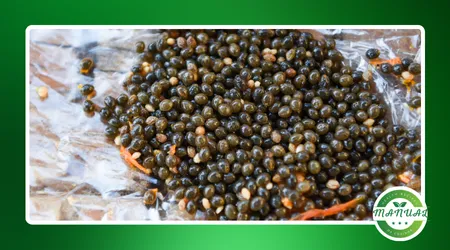
The seeds of papaya They are often discarded, which is a waste of medicinal potential.
They contain carpaine, an alkaloid with anthelmintic properties, making it a traditional and effective resource for keeping the intestinal environment free of unwanted parasites.
The flavor is strong, reminiscent of a cross between chili pepper and watercress, but the benefits outweigh the initial strangeness.
They contain isothiocyanates, compounds that, according to recent research, help protect colon cells against mutations and degenerative processes.
For those seeking a deeper intestinal cleansing approach, chewing some seeds along with the pulp is a valuable habit.
They act as small biological "sweepers," helping to eliminate debris that the fiber alone might not be able to reach.
Of course, common sense should prevail. Starting with three or four seeds is the ideal way to test your stomach's sensitivity.
Not everyone handles the pungency of these compounds well right away, and respecting one's own pace is essential.
How can I incorporate fruit into my diet to avoid bloating?
The effectiveness of papaya It depends a lot on timingConsuming it first thing in the morning, on an empty stomach, prepares you for the day.
However, its most strategic use occurs after substantial meals, where it acts as a natural chemical tenderizer for ingested proteins.
A common mistake is mixing the fruit with high-fat dairy products or refined sugars. This combination can create digestive competition that negates the enzymatic benefits.
Prefer to consume it in its natural state or blended with coconut water, which provides extra electrolytes to hydrate the fibers.
For those who train hard, papaya is an excellent pre-workout ally. It offers moderately absorbed glucose and ensures that the blood doesn't get "stuck" in slow digestion while you need it in your muscles. It's energy efficiency applied to nutrition.
In the kitchen, the power of papain is so real that papaya juice has been used for centuries to tenderize tough meats.
If he does this with an outside piece of meat, imagine the relief it provides to the walls of your stomach during the actual digestive process.
Why is hydration essential for the effects of papaya?
Eating the best food is pointless. papaya From the market if you forget to drink water. Soluble fibers need liquid to "inflate" and create the lubricating gel.
Without water, the fiber can become compacted, generating the opposite effect to what is desired and causing abdominal discomfort.
The golden rule is simple: if you eat fiber, drink fluids. Drinking a glass of water right after eating fruit ensures that the pectin does its job of sweeping away nutrients without friction. It's a matter of basic physics applied to gut biology to guarantee the success of the process.
In 2026, functional medicine reinforces the idea that hydration is the universal solvent that allows enzymes to circulate and act where they are needed.
Dehydration makes stool dense and difficult to move, regardless of how much enzyme you consume.
Pay attention to your body's signals. How easily your system functions after consuming fruit and water is a direct indicator of your metabolic health.
++ Functional Christmas Farofa: How to Optimize Fiber, Protein, and Digestion
What are some common myths about consuming this fruit?
Many people avoid papaya out of fear of an uncontrollable laxative effect. This is a misconception.
The fruit is not a chemical laxative; it is a regulator. It doesn't force an artificial evacuation, but restores the intestine to its natural rhythm.
Unlike "detox" teas that irritate the colon, papaya works in favor of its physiological function. Another myth is that only green papaya works.
Although the green fruit has more latex and enzymes, the ripe fruit possesses the balance of sugars and vitamins that the body needs for daily maintenance.
Regarding the glycemic index: diabetics can and should include papaya in their diet, provided that the quantity is monitored.
The fiber present in the pulp helps to moderate the speed at which fructose reaches the bloodstream, preventing insulin spikes that other fruits with lower fiber content would cause.
Demystifying these points allows the fruit to be seen for what it truly is: a democratic ally of health.
When we stop listening to clichés and look at the biological function of food, it becomes clear why it has been considered a primary indicator of gastric well-being across generations.
The verdict on functional use
Adopt the papaya Making it a fixed habit is a pragmatic health decision. It's about replacing dependence on antacids and laxatives with a biological solution that the body recognizes and processes without side effects. Nature rarely makes mistakes in its combinations.
Whether it's due to the protein breakdown of papain or the mucosal protection provided by vitamins, the results appear in the form of less swelling and more energy.
Gastric well-being is the foundation for almost all other health processes, from serotonin production to mineral absorption.
Treat your diet as a long-term investment. Mindful eating, combined with adequate water intake, transforms digestion into a silent and efficient process — exactly as it should be.
To learn more about food security and nutrition guidelines for the Brazilian population, it's worth checking out the official guides from... Ministry of Health, which detail best practices for a balanced diet.
FAQ: Frequently Asked Questions
1. Does daily consumption of papaya cause intestinal sluggishness?
Not at all. Unlike stimulant laxatives, papaya offers mechanical and enzymatic support, which helps train the intestine to function autonomously and healthily.
2. Can I eat the peel of a papaya?
Not recommended. The peel contains a very high concentration of latex, which can be irritating to the stomach and cause allergic reactions in sensitive individuals. Focus on the pulp and some of the seeds.
3. Are there any contraindications for people with gastritis?
On the contrary. Due to its vitamin A content and its soothing effect on the mucous membrane, it is usually very well tolerated by those with gastritis, provided it is not consumed in an excessively acidic or green state.
4. Does papaya help with weight loss?
Indirectly, yes. By improving digestion and intestinal transit, it helps reduce abdominal bloating and promotes satiety due to its fiber content, making it a great substitute for high-calorie sweets.
5. Can I give papaya to young children?
Yes, it is often one of the first foods introduced into a child's diet because it is easy to digest and helps prevent colic and constipation, which are common during this food transition phase.