
Fresh and delicious Italian salad for everyday meals.
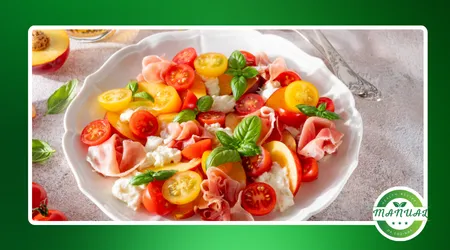
One Italian salad Authentica represents the perfect balance between fresh ingredients, ancestral techniques, and the practicality demanded by modern life, providing nutrition and great flavor.
Adverts
In this comprehensive guide, we'll explore how to transform simple vegetables into a memorable culinary experience. You'll learn how to select the best ingredients and master the spices that define this cuisine.
Below, we present detailed topics to elevate the level of your daily meals, ensuring health and pleasure at the table with the typical freshness of the most respected Mediterranean cuisines.
Summary
- The essence of Italian salad
- How to choose high-quality ingredients
- The role of extra virgin olive oil
- What's the secret to the perfect sauce?
- Nutritional Table: Benefits of the ingredients
- Conclusion and Next Steps
- Frequently Asked Questions (FAQ)
What is the origin of true Italian salad?
The basis of Italian salad resides in philosophy kilometer zero, prioritizing locally produced ingredients. Food historians affirm that simplicity is the fundamental pillar of this iconic dish.
Unlike complex preparations, the classic version values seasonality. In the summer of 2026, the trend focuses on the use of organic tomatoes and herbs harvested directly from small urban gardens.
Adverts
The Italian concept of salad It evolved from a simple side dish into a robust main course. Today, it incorporates lean proteins and artisanal cheeses, while maintaining the lightness needed for everyday life.
The versatility allows each region of Italy to contribute a unique touch. Whether it's using stale bread in Panzanella or the freshness of Caprese, the identity remains alive.
How do you select the best ingredients for your recipe?
To create a Italian salad Unforgettable, the quality of the tomato is non-negotiable. Look for varieties like San Marzano or Cherry, which offer a natural balance of sweetness and acidity.
The leafy greens should have a crisp texture and vibrant color. Wild arugula and radicchio are excellent choices, as they add bitter notes that contrast with the mildness of the mozzarella cheese.
Including elements with varied textures enriches the sensory experience of the dish. Toasted nuts or sunflower seeds provide the necessary crunch, increasing the nutritional value of your daily meal.
Authenticity demands cheeses with controlled origins, such as aged Parmigiano-Reggiano. These dairy products offer depth of flavor and a touch of salt that eliminates the need for excessive seasoning.
+ Homemade whole wheat bread recipe without sugar.
Why is olive oil essential in cooking?
Liquid gold is the heart of any Italian salad Respect is key. By 2026, consumers will be looking for oils with certified origin, guaranteeing purity and a high concentration of beneficial polyphenols.
A good olive oil should have an acidity level below 0.8% to be considered extra virgin. The fruity flavor and slightly spicy aftertaste indicate the presence of potent antioxidants beneficial to the body.
According to the guidelines of International Olive CouncilProper storage in dark bottles preserves the sensory properties. Never underestimate the impact of this ingredient on the final result.
When used to drizzle olive oil over vegetables, it aids in the absorption of fat-soluble vitamins such as A, D, E, and K. This ensures complete and efficient nutrition with every bite.
What's the secret to a balanced and aromatic sauce?
The secret of a Italian salad The irresistible quality lies in the correct emulsion between the acid and the fat. Use balsamic vinegar from Modena or Sicilian lemon juice to bring vibrancy.
Add fresh herbs like basil, oregano, and thyme just before serving. This prevents the leaves from darkening and ensures that the essential oils harmoniously perfume the entire dish.
A pinch of sea salt and freshly ground black pepper complete the dish. Avoid commercially produced sauces that contain hidden sugars and preservatives that are harmful to your health and well-being.
The ideal ratio is usually three parts fat to one part acid. Try adding a teaspoon of organic honey to soften the acidity of the vinegar.
Nutritional benefits of the main components
Understanding what makes up your meal helps you maintain a mindful diet. The table below details the real benefits found in the typical ingredients of this classic and nutritious cuisine.
| Ingredient | Main Nutrient | Health Benefit |
| Tomato | Lycopene | Powerful antioxidant, heart health. |
| Arugula | Vitamin K | Bone strengthening and coagulation |
| Olive oil | Monounsaturated Fatty Acids | Reducing bad cholesterol (LDL) |
| Basil | Eugenol | Anti-inflammatory properties |
| Parmesan cheese | Calcium and Protein | Maintaining muscle mass |
Where can you find inspiration for regional variations?
Explore the variations of Italian salad It allows you to discover new flavors without leaving home. Tuscan Panzanella, for example, uses stale Italian bread to absorb the juices of fresh vegetables.
In southern Italy, the inclusion of capers and black olives brings a more saline profile. These adaptations reflect the history of each province and the local availability of ingredients.
For those seeking a higher protein option, adding chickpeas or white beans is a common practice. These legumes make the meal complete, ideal for quick lunches on workdays.
Remember that creativity should respect the harmony between the ingredients. Avoid overloading the dish; the elegance of Mediterranean cuisine lies precisely in the simplicity of its carefully selected elements.
How can I keep my salad fresh throughout the day?
If you prepare your Italian salad When taking this sauce to work, organization is essential. Store the sauce in a separate container to prevent the leaves from wilting prematurely.
Use airtight glass jars, which better preserve the flavor and temperature of the food. Place the heavier, moister ingredients at the bottom, leaving the leafy greens on top.
The ideal serving temperature is slightly below room temperature, enhancing the natural aromas. Avoid over-refrigerating tomatoes, as intense cold compromises the texture and original flavor.
Keep the herbs protected in a damp paper towel inside the container. This way, you'll have a meal that looks freshly prepared, even after a few hours away from the kitchen.
+ High-protein chickpea pancake with herbs: a wheat-free alternative.
What are the most common mistakes when preparing salads?
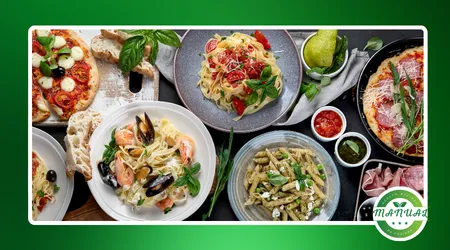
A common mistake in Italian salad It's the excess moisture in the leafy greens. Use a centrifugal salad spinner to ensure the dressing adheres perfectly to the surface of the vegetables.
Seasoning too far in advance can also compromise the dish's structure. Salt draws water out of vegetables through osmosis, resulting in a limp and visually unappealing texture.
Another misconception is using low-quality or processed cheeses. Invest in authentic dairy products, which have lower levels of artificial sodium and a much more complex and rich flavor profile.
Finally, don't ignore the importance of cutting the ingredients into uniform sizes. This makes them easier to eat and ensures that all the flavors can be enjoyed in a single, delicious bite.
+ Vegetable soup with nutritious quinoa
Selected Ingredients
- Sheets: 2 cups of wild arugula and 1 head of chopped romaine lettuce.
- Tomatoes: 300g of ripe cherry tomatoes or Italian tomatoes, diced.
- Cheese: 200g of fresh buffalo mozzarella or shavings of Parmigiano-Reggiano.
- Crunchiness: 1/2 red onion, sliced very thinly (style) Julienne).
- Finalization: 10 fresh basil leaves and 50g of Azapa-type black olives.
- Special Sauce: 4 tablespoons of extra virgin olive oil, 1 tablespoon of balsamic vinegar and fleur de sel.
Step by Step Preparation Method
- Cleaning and Drying: Wash all leafy greens and herbs thoroughly under running water. Use a salad spinner to remove all moisture, ensuring the dressing doesn't become diluted.
- Onion Treatment: To soften the flavor of the red onion, soak the slices in ice water for 10 minutes. Dry them well before mixing them with the other salad ingredients.
- Base Assembly: In a large ceramic or glass serving dish, arrange the leafy greens in a generous amount. Scatter the tomatoes and onions evenly to ensure vibrant colors in each serving.
- Protein Addition: Distribute the buffalo mozzarella (or your preferred cheese) and olives. If you opt for Parmesan shavings, use a vegetable peeler to obtain thin slices.
- Sauce Emulsion: In a small glass jar, combine the olive oil, balsamic vinegar, and salt. Shake vigorously until the liquid becomes opaque and slightly thickened.
- Finalization: Water the Italian salad Add the emulsion just before serving. Tear the basil leaves with your hands over the plate to release the aromatic essential oils.
Conclusion: Healthy food with tradition on your plate
Adopt the Italian salad Including it in your daily routine is a smart decision for those seeking longevity and enjoyment. The combination of micronutrients and healthy fats protects the heart and invigorates the mind.
By following the techniques presented, you elevate a simple dish to the status of high-end functional cuisine. Italian cuisine teaches us that eating well is, above all, an act of respect.
Frequently Asked Questions (FAQ)
Can I substitute dried basil for fresh basil?
It is not recommended, as dried basil loses its citrus notes and the essential freshness needed for this type of dish. Always use fresh herbs to guarantee the authentic flavor.
What's the best cheese for a light Italian salad?
Fresh ricotta or buffalo mozzarella are excellent options for those seeking fewer calories. They maintain their creaminess without adding to the total caloric value of your meal.
How can you tell if olive oil is genuine?
Check the label for the purity seal and a recent harvest date. Quality olive oils are sold in dark glass bottles or cans to prevent oxidation.
Can I add fruit to my salad?
Yes, fresh figs or slices of grilled peach pair very well with Parma ham and blue cheeses. This combination of sweet and savory is very common in Italy.
Is it necessary to peel tomatoes?
For fresh salads, the skin should be kept on, as it contains fiber and important nutrients. Just be sure to properly wash the fruit before slicing it for consumption.