Vegetable soup with nutritious quinoa
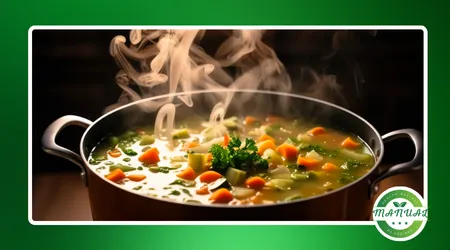
In this article, we will explore the technical properties of these ingredients, the physiological impact of regular consumption, and the ideal preparation method for preserving heat-sensitive micronutrients.
Adverts
Summary
- What makes the combination nutritious?
- How does quinoa enhance a meal?
- Why include a variety of vegetables?
- Comparative nutritional table
- Advanced preparation tips
- Conclusion
- FAQ
The biological effectiveness of vegetable soup with quinoa It resides in the synergy between essential amino acids and soluble fiber, promoting a stable glycemic response and prolonged satiety.
Unlike traditional broths, which are composed mostly of simple carbohydrates, this preparation offers a complete protein profile, essential for tissue repair and maintenance of lean mass.
The presence of flavonoids and polyphenols in fresh vegetables directly reduces oxidative stress, strengthening the immune system against common pathogens during seasonal transition periods.
Recent studies indicate that consuming minimally processed foods, such as the ingredients in this soup, promotes a healthy gut microbiota, resulting in better absorption of B vitamins.
Adverts
By prioritizing organic and seasonal ingredients, you ensure a higher concentration of minerals such as zinc and magnesium, crucial elements for enzymatic function and the balance of the central nervous system.
The digestibility of this dish is optimized by slow cooking, which breaks down complex cellular structures, facilitating the bioavailability of nutrients that would be less absorbed in a purely raw diet.
How does quinoa enhance the biological value of this recipe?
Integrate the vegetable soup with quinoa Adding a pseudocereal to your weekly meal plan means introducing all nine amino acids that the human body cannot synthesize on its own.
Quinoa (Chenopodium quinoa) stands out for its low glycemic index, which prevents insulin spikes, making it a strategic ally for individuals who monitor their blood glucose levels.
In addition to providing protein, this grain supplies essential fatty acids, such as omega-3 and omega-6, which are fundamental for cardiovascular health and the integrity of cell membranes.
The slightly crunchy texture of quinoa contrasts perfectly with the softness of the cooked vegetables, elevating the sensory experience of the meal without the need for chemical additives or artificial thickeners.
Read more: How to prepare detox pumpkin soup with ginger
Why is a variety of vegetables crucial in vegetable soup with quinoa?
Each color present in your vegetable soup with quinoa It represents a different group of phytochemicals, such as lycopene in tomatoes or beta-carotene found in fresh carrots.
The variety of plants ensures that the body receives a broad spectrum of antioxidants, fighting free radicals and preventing premature aging of cells in different body systems.
Kale, broccoli, and spinach add non-heme iron and calcium, while root vegetables like cassava provide the energy needed for basic metabolic activities throughout the day.
The use of natural herbs such as rosemary, turmeric, and black pepper not only enriches the flavor but also enhances the absorption of curcumin, known for its systemic anti-inflammatory properties.
++ High-protein chickpea pancake with herbs: a wheat-free alternative.
Keeping the peel on vegetables like zucchini dramatically increases the intake of insoluble fiber, aiding in intestinal transit and the natural elimination of toxins accumulated in the digestive tract.
Nutritional table: Density comparison (per 100g)
| Component | Traditional Soup (Chicken Soup) | Vegetable Soup with Quinoa | Main Benefit |
| Proteins | 3.5g | 7.2g | Muscle recovery |
| Fibers | 1.2g | 4.8g | Digestive health |
| Iron | 0.8mg | 2.5mg | Prevention of anemia |
| Glycemic Index | Medium/High | Low | Energy control |
| Minerals | Low | High | Electrolyte balance |
What is the ideal preparation method to maintain the integrity of the nutrients?
The secret of a vegetable soup with quinoa The professional method begins with an initial sautéing in extra virgin olive oil, which helps in the absorption of fat-soluble vitamins present in the vegetables.
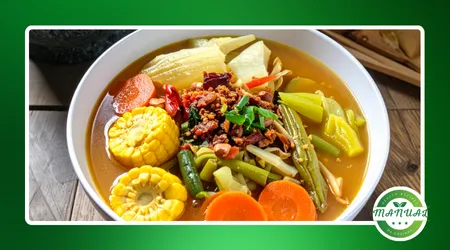
Quinoa should only be added after the firmer vegetables are slightly softened, ensuring that the grain cooks for the exact amount of time so as not to lose its structure and heat-sensitive nutrients.
++ Smart Substitutions: Classic Christmas Dishes in a Light Version
Using homemade broths made with leftover vegetables and spices drastically reduces sodium intake, which is commonly found in commercially produced bouillon cubes and is harmful to kidney and arterial health.
The cooking temperature should be kept low, avoiding violent boiling which can degrade vitamin C and other volatile compounds essential for flavor and health.
Finishing the dish with a drizzle of extra virgin olive oil and fresh herbs preserves the essential oils, ensuring that the meal delivers maximum freshness and biological potency to the consumer.
Proper storage in airtight glass containers allows the soup to be consumed for up to three days, maintaining its organoleptic properties without the proliferation of unwanted microorganisms in the refrigerator.
What are the regional variations of this dish in Brazil?
In Brazil, the adaptability of vegetable soup with quinoa It allows for the inclusion of local ingredients such as yams and taro, which provide a natural creaminess and nutritional richness.
In warmer regions, the soup can be served warm, with the addition of Sicilian lemon to increase its refreshing quality and aid digestion by stimulating specific gastric enzymes.
The use of PANCs (Unconventional Food Plants) such as ora-pro-nóbis further increases the protein content of the preparation, making it a complete option for contemporary vegetarian and vegan diets.
Adapting recipes to the seasons ensures tastier and cheaper food, as well as supporting local producers who practice sustainable and conscious agriculture in Brazil today.
To deepen your knowledge about balanced diets and best public health practices in Brazil, visit the official website of [website name]. Ministry of Health.
Conclusion
A vegetable soup with quinoa It represents more than just a simple meal; it's a preventative health tool that combines nutritional science and culinary tradition in a single dish.
By understanding the function of each ingredient, you transform the act of cooking into a conscious process of self-care, providing your body with the elements necessary for a fulfilling life.
Implementing this eating habit contributes to longevity, weight control, and mental well-being, proving that the simplicity of natural cooking is key to modern health challenges.
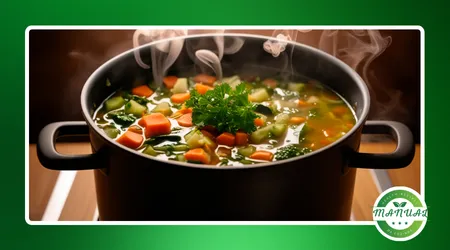
Frequently Asked Questions about Vegetable Soup with Quinoa
Can I freeze the prepared soup?
Yes, a vegetable soup with quinoa It freezes very well for up to 30 days. It is recommended to leave some space in the container, as liquids expand when freezing, while maintaining their integrity.
Does quinoa need to be soaked before cooking?
Washing quinoa under running water is essential to remove saponin, a natural substance that gives it a bitter taste and can interfere with the absorption of some important minerals in the body.
Can children eat this soup regularly?
This dish is excellent for introducing solid foods and providing nutrition for children, offering crucial vitamins for growth and cognitive development in a natural way, without preservatives or hidden sugars.
What is the best type of quinoa for soups?
White quinoa is best suited for soups because it has a softer texture after cooking, although red and black quinoa offer slightly higher antioxidant profiles and a crunchier texture.