
Homemade whole wheat bread recipe without sugar.
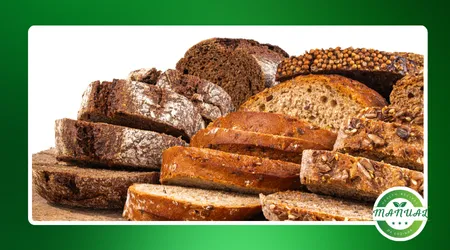
The search for a more balanced and mindful diet has never been more prominent. In this context, Homemade whole wheat bread without sugar It emerges as a protagonist of modern cuisine.
Adverts
Preparing your own bread, free of additives and excess sweetness, is an act of self-care and an investment in your health.
This essential food, when prepared whole, offers unparalleled nutritional density, making it the ideal choice for breakfast or a snack.
Why is Whole Wheat Sugar-Free Bread the Culinary Trend of 2025?
Awareness of the risks of excessive consumption of refined sugars has driven this transformation in home baking.
People are actively seeking alternatives that don't compromise on taste, but prioritize well-being.
Adverts
Create your own Homemade whole wheat bread without sugar It's a direct response to this need for control over what we eat. It's a return to the roots of food, honoring the grain in its entirety.
Current diets recommend reducing simple carbohydrates, while elevating the status of whole grains.
Homemade bread allows you to replace sugar with ingredients that offer natural sweetness, such as dried fruits or spices, while maintaining a more stable glycemic index.
The satisfaction of serving your family a truly nutritious bread is immeasurable.
Read more: Brown rice recipe with sautéed vegetables
What is the impact of sugar on baking and why eliminate it?
Traditionally, sugar plays multiple roles in bread production, going beyond just flavor.
It serves as food for the yeast, aiding in the rising process, and also contributes to the color and softness of the crust.
However, this contribution comes at a metabolic cost. High sugar consumption is linked to chronic problems, ranging from obesity to type 2 diabetes.
Eliminate sugar in recipes like this one. Homemade whole wheat bread without sugar It requires a technical adjustment, not just an omission.
++ How to make healthy chicken curry with vegetables
The absence of sucrose requires a longer fermentation time, as the yeast will only work with the sugars present in the flour itself.
The result is a slow-fermented bread with a more complex flavor and the assurance of a healthier option.
| Nutritional Component | Traditional White Bread (Medium) | Whole Wheat Bread 100% Sugar-Free (Medium) |
| Fiber (per 50g) | Less than $1 \text{g}$ | Approximately $3 \text{g}$ or more |
| Glycemic Index | High | Low to Medium |
| Sugar Content | High (Added) | Very Low (Natural Grain Value) |
| Micronutrients | Reduced | Rich in Vitamin B and Minerals |
The table above demonstrates why whole-grain, unsweetened versions are preferred. The difference in fiber content, for example, is crucial for gut health.
How does good quality whole wheat flour transform a recipe?
The choice of raw materials is the key to an extraordinary bread. High-quality whole-wheat flours preserve the bran and germ of the wheat grain.
++ How to make healthy sweet potato brownies
These parts are rich in fiber, B vitamins, magnesium, and antioxidants. Using pure whole-wheat flour, not just colored white flour, is vital for the recipe's success.
It is important that whole wheat flour is listed as the first ingredient.
Whole grain 100% flours absorb more water and take longer to develop gluten, requiring careful hydration and patient kneading.
It's like dating: it requires time and dedication to blossom into something wonderful. The final texture will be more rustic and dense, but the flavor and benefits fully compensate for this extra effort.
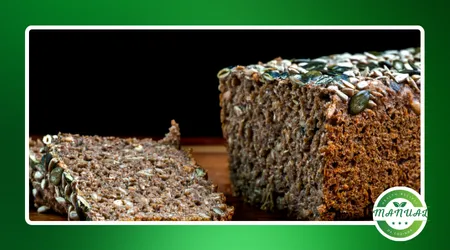
What is the importance of slow fermentation in whole wheat bread?
Slowness is an ally in healthy bread making. Prolonged fermentation, without the rush of adding sugar, breaks down antinutrient complexes.
This process increases the bioavailability of important minerals such as zinc and iron. It's the silent alchemy of time, transforming simple ingredients into a food of high nutritional value.
++ Whole wheat bread without sugar and lactose.
A good example is the autolysis process, which consists of mixing flour and water, letting them rest before adding yeast and salt.
This technique allows the whole wheat flour to absorb liquid better, making kneading easier and promoting the development of the gluten network.
This ensures a more open and soft internal structure, even without the use of sugar.
What are some smart alternatives to sugar in recipes?
Although the main objective is to create a Homemade whole wheat bread without sugar In addition, substitutes can be used to enhance the flavor.
A drizzle of honey, in very small doses, can help the yeast rise and add complexity. Other options include rehydrated dried fruits, such as raisins, or spices like cinnamon.
What's important is moderation and naturalness.
It's not about mimicking the taste of sweet bread, but about highlighting the richness of the whole grain. Adding sunflower and pumpkin seeds, or chopped nuts, provides texture and an earthy flavor profile.
This takes bread to a whole new dimension. comfort food sophisticated.
How to Maximize the Nutritional Benefits of Bread?
Whole wheat bread without added sugar is already nutritionally superior, but a few adjustments can make it even better.
The World Health Organization (WHO) recommends a daily intake of $25 to $30 grams of fiber for adults.
One Homemade whole wheat bread without sugar High-quality, with a high bran and seed content, it can provide $3$ to $5$ grams of fiber per slice.
Regular consumption directly contributes to digestive health and blood sugar control.
It is possible to enrich the recipe by adding the psyllium, a soluble fiber that improves the texture and fiber content of bread.
This small adaptation reflects our ability to improve upon an already excellent foundation. It proves that the kitchen is a laboratory for healthy innovations.
Why is Homemade Bread a Perfect Analogy for a Lifestyle?
Make a Homemade whole wheat bread without sugar It's like building a healthier lifestyle: it requires quality ingredients, patience, dedication, and avoiding quick and empty shortcuts.
The quick energy spikes from an industrially produced bread with sugar are analogous to instant gratification.
Whole wheat bread, with its sustained energy and slow digestion, reflects the value of solid and lasting habits.
Another example is the impact of good homemade bread on the body.
According to a recent study published in $2024$ in American Journal of Clinical NutritionReplacing refined grains with whole grains is associated with significant improvements in metabolism, including insulin control.
This data reinforces the science behind wise culinary choices.
Conclusion: The Pleasure of Conscious Baking
We've arrived at the heart of the matter: the Homemade whole wheat bread without sugar It's not just a recipe, but a food philosophy.
It is the negation of excess and the affirmation of the pure flavor of the grain. It requires attention to detail, but rewards with a superior quality of life.
With the right recipe and techniques, anyone can enjoy the aroma and flavor of real bread.
After all this, do we still need to discuss whether it's worth investing your time in your own health? The answer is in the first part.
Frequently Asked Questions
Can whole wheat bread without added sugar be fluffy?
Yes, it can. Softness is achieved with proper flour hydration and sufficient kneading time to develop the gluten, as well as a well-executed autolysis.
The secret lies in the process, not in adding fats or sugar.
How to store homemade whole wheat bread?
Homemade whole wheat bread, because it contains no preservatives, should be stored at room temperature in a paper bag or dish towel for up to three days.
For longer periods, it is ideal to slice it and freeze it in airtight bags.
Can I use sourdough starter (levain) in the recipe?
Certainly.
The use of natural yeast intensifies the flavor, improves the texture and, most importantly, enhances the breakdown of phytates, which makes the grain's nutrients even more available to the body.
It's a highly recommended option.