Dense bean salad with vegetables for a nutritious lunchbox.
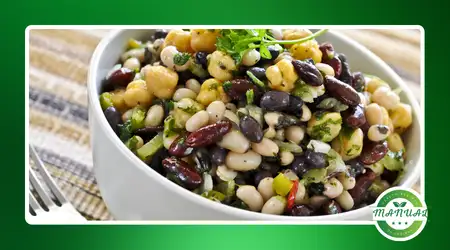
A dense bean salad It represents the evolution of preparing practical meals for those seeking longevity and high nutritional performance in intense urban routines.
Adverts
Combining different legumes allows you to obtain a complete profile of essential amino acids, ensuring prolonged satiety and stable energy throughout the workday.
In this specialized guide, we will explore pre-preparation techniques to eliminate antinutrients and optimize digestion, transforming simple ingredients into a sophisticated and functional meal.
Understanding the science behind grain texture is the secret to preventing your salad from losing its freshness after a few hours.
Below, you will find a detailed guide to mastering this preparation, from the careful selection of ingredients to proper storage to maintain the properties of fresh and crisp vegetables.
Adverts
Summary
- Why invest in dense legumes?
- Full Recipe: Thick Bean Salad with Vegetables
- How to prepare the perfect packed lunch?
- Which vegetables provide the best texture?
- Comparative nutritional table
- FAQ – Frequently Asked Questions
How does dense bean salad optimize your metabolic health?
Regular consumption of a dense bean salad It acts directly in regulating blood glucose levels, due to the high content of soluble fiber present in the husks of the selected legumes.
Grains like black-eyed peas and white beans retain their structural integrity after cooking, which is essential for mindful chewing.
Studies indicate that the starch content in these grains serves as fuel for a healthy gut microbiota, strengthening the immune system and reducing systemic inflammation.
By incorporating colorful vegetables, you enhance iron absorption through the strategic presence of natural vitamin C from bell peppers and lemon.
Nutritional density here refers not only to calories, but also to the concentration of micronutrients per gram consumed, making this an economically viable option for everyday use.
Replacing animal protein with legumes twice a week reduces an individual's carbon footprint, aligning personal health with environmental preservation.
Full Recipe: Thick Bean Salad with Vegetables
This recipe yields 4 generous portions for your weekly meal prep, maintaining its flavor and texture for up to five days if stored correctly under constant refrigeration.
Selected Ingredients
- 250g of black-eyed peas (cooked al dente)
- 250g of small white beans (cooked but firm)
- 1 yellow bell pepper, diced into small cubes.
- 1 large carrot, coarsely grated
- 100g of cherry tomatoes, halved
- 1 red onion, thinly sliced
- Freshly chopped parsley and chives
- Juice of 1 Tahiti or Sicilian lemon
- 3 tablespoons of extra virgin olive oil
- Sea salt and black pepper to taste.
Technical Preparation Method
First, soak the grains for 12 hours to eliminate phytates, changing the water at least twice before starting to cook them in boiling water.
Cook the beans separately to ensure that both are tender but firm to the bite, preventing them from turning into a paste during transport in the lunchbox.
After cooking, cool the grains in ice water to immediately stop the heating process, preserving the color and density necessary for the salad.
In a large bowl, gently mix the legumes with the chopped fresh vegetables, ensuring an even distribution of colors and flavors in each serving.
Prepare the sauce by emulsifying the olive oil with the lemon and dried spices in a separate container, pouring it over the mixture just before serving.
You can check official food safety guidelines on the portal of Ministry of Health to ensure the safe storage of your meals.
What's the secret to keeping salad fresh in a lunchbox?
Assemble your dense bean salad It requires a strategy to prevent the vegetables from wilting or the beans from absorbing too much seasoning, altering the desired texture.
Use airtight glass containers, always placing the sauce at the bottom, followed by the heavier grains, and finishing with fresh herbs and leafy greens.
This layering technique isolates the most sensitive elements from the acidity of lemon or vinegar, keeping the crispness of the carrot and bell pepper intact until final consumption.
Avoid plastic containers that may release chemicals, always prioritizing inert materials that preserve the original flavor of food and ensure greater food safety.
When consuming, simply shake the jar or pour the contents into a deep dish, allowing the sauce to naturally and evenly coat all the ingredients.
This organization simplifies the routine for those who need to eat lunch away from home, guaranteeing a high-quality gastronomic experience with minimal setup effort.
++ Overnight oats with berries and chia seeds for breakfast.
Which vegetables provide the best texture for this dish?
Choosing vegetables with low water release is essential to maintain the dense bean salad Attractive and flavorful throughout its storage time in the refrigerator.
Bell peppers, carrots, and radishes are excellent options because they offer mechanical resistance and don't easily lose liquid after being precisely diced.
Avoid mixing very delicate leafy vegetables with the grains, opting to add them only to the top of the jar or in a separate compartment to preserve the vitality of the leaves.
Using red onion that has been previously marinated in lemon juice removes excessive spiciness, adding a layer of sophisticated flavor that complements the rustic nature of the beans.
Try adding toasted sunflower or sesame seeds to boost the nutritional value and add an unexpected crunch that significantly enhances the sensory experience of the meal.
The variety in color is not just aesthetic; it ensures the intake of different phytochemicals essential for fighting free radicals and daily cell regeneration.
++ Fresh and delicious Italian salad for everyday meals.
Which healthy fats enhance flavor and satiety?
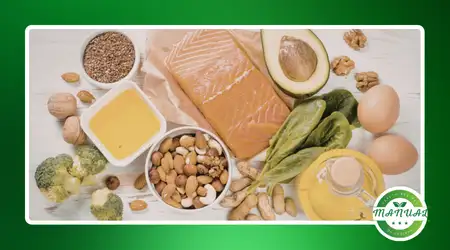
To further enrich your dense bean saladThe inclusion of monounsaturated fats from chopped nuts or diced avocado adds a creaminess that contrasts perfectly with the firmness of the legumes.
These sources of healthy lipids are essential for the absorption of fat-soluble vitamins (A, D, E, and K) present in colorful vegetables, maximizing the biological benefit of each bite.
Maintaining a balance between soft and crunchy textures transforms the experience of consuming a cold meal into a moment of gastronomic pleasure, avoiding the sensory fatigue common in restrictive diets.
By choosing supplements like pumpkin seeds or walnuts, you also increase your intake of magnesium and zinc, essential minerals for cognitive support and reducing metabolic stress during exhausting workdays.
++ Professional flambéing tips that don't work in the home kitchen.
Nutritional Composition Table (200g Serving Size)
The data below are based on averages from food composition tables and are helpful for planning meals for those who monitor their macronutrient intake.
| Nutrient | Amount | Function in the Body |
| Proteins | 14g | Tissue and muscle repair |
| Fibers | 11g | Control of glycemic index |
| Carbohydrates | 32g | Stable and long-lasting energy |
| Total Fats | 7g | Absorption of fat-soluble vitamins |
| Iron | 4.2mg | Oxygen transport in the blood |
Conclusion
Adopt the dense bean salad Using it as a base for your nutritious meal prep is a smart decision that combines practicality, affordability, and an excellent nutritional profile.
The versatility of this recipe allows for endless adaptations according to the season, ensuring that you never get tired of eating well and consciously.
By following the soaking and layering techniques, you ensure easy digestion and the complete preservation of essential vitamins and minerals for the body.
Start planning your weekly menu today and feel the immediate benefits in your physical energy, mental focus, and overall digestive health.
FAQ – Frequently Asked Questions
1. Can I substitute white beans for chickpeas?
Yes, chickpeas are an excellent alternative to dense legumes that maintain a firm texture and offer a very similar amino acid profile to beans.
2. How long does the salad last without losing its quality?
If stored in airtight glass jars and kept under strict refrigeration, the salad retains its ideal properties for up to five business days in the refrigerator.
3. Do I need to cook the beans in a pressure cooker?
Pressure speeds up the process, but be careful not to overcook; the grains should be removed as soon as they reach the "al dente" stage.
4. How can I avoid gas when consuming beans daily?
The secret lies in soaking for 24 hours, discarding the water, and rinsing the grains thoroughly before final cooking to remove fermentable oligosaccharides.
Investing in the origin of grains is essential to ensure a diet free of impurities. To understand more about the classification of healthy foods, consult the... FAO (Food and Agriculture Organization of the United Nations)