Mediterranean quinoa with roasted vegetables for a light lunch.
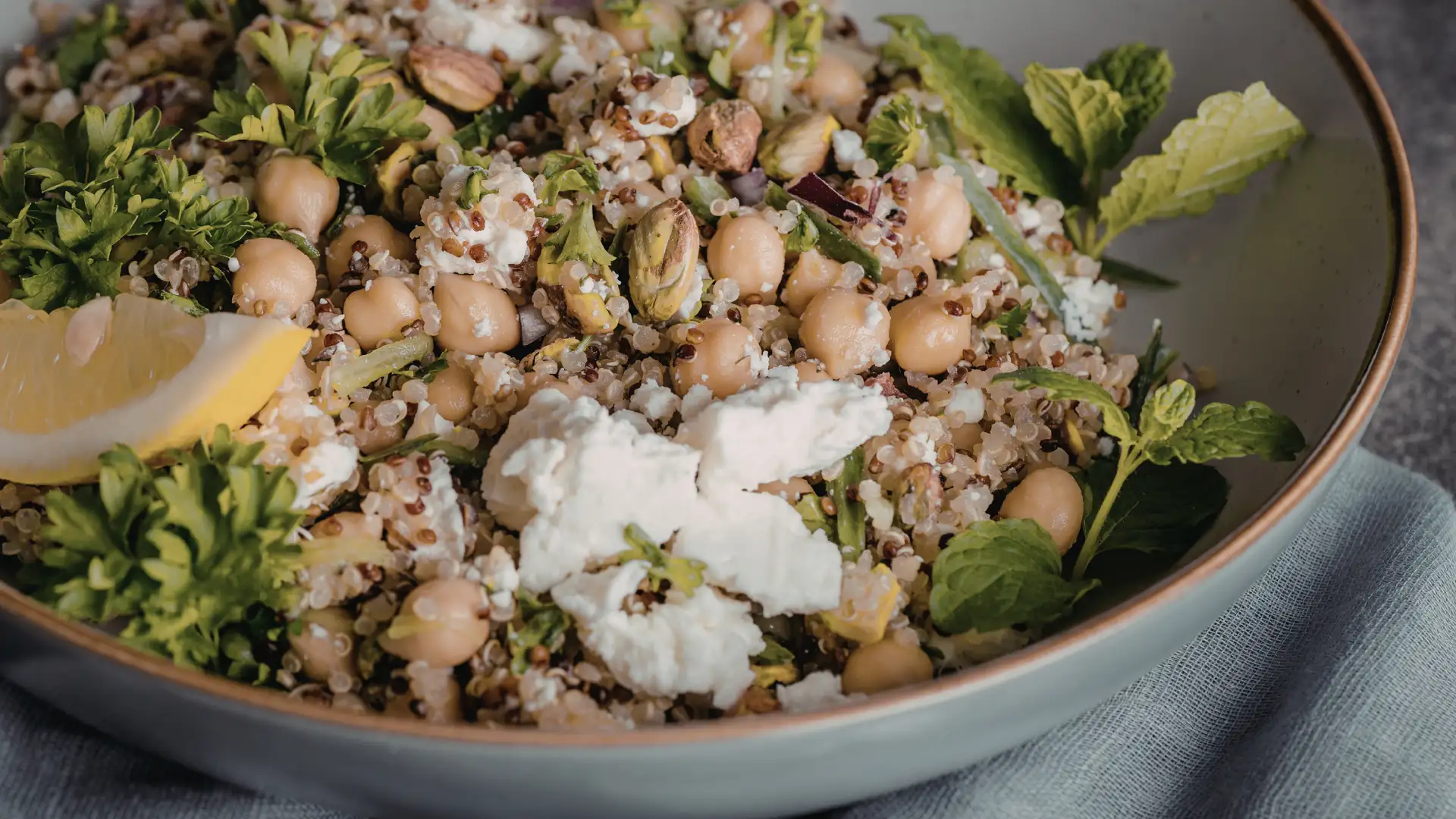
A Mediterranean quinoa with roasted vegetables It's more than a wellness trend; it's a technical response to the need for lunches that don't cause lethargy.
Adverts
To achieve the 2026 result, where gastronomic precision meets practicality, the execution requires attention to oven time and proper grain hydration.
Below, I detail the preparation protocol to ensure that each ingredient maintains its structural and nutritional integrity.
Summary
- Equipment and initial preparation.
- List of ingredients (exact proportions).
- Preparation method: The absorption method and baking.
- Expert tips for achieving the perfect texture.
- Time and temperature chart.
- FAQ (Frequently Asked Questions).
What ingredients are essential for Mediterranean quinoa?
So that your Mediterranean quinoa with roasted vegetables To achieve the high standard of functional gastronomy, the quality of the ingredients is non-negotiable, especially the olive oil and the freshness of the herbs.
Grain Base:
Adverts
- 1 cup of quinoa grains (white, red, or mixed);
- 2 cups of homemade vegetable broth (or water with a pinch of sea salt).
Vegetables (The Heart of the Dish):
- 1 medium zucchini, cut into uniform cubes;
- 1 small eggplant (with the peel on to retain the fiber);
- 1 red bell pepper and 1 yellow bell pepper;
- 1 red onion, cut into petals;
- 1 cup of whole cherry tomatoes.
Seasoning and Finishing:
- 3 tablespoons of olive oil extra virgin;
- 3 crushed garlic cloves;
- Sea salt and freshly ground black pepper;
- Zest of 1 Sicilian lemon and juice of half a lemon;
- Fresh basil and parsley to taste.
How to prepare Mediterranean quinoa with roasted vegetables step by step?
Start by rinsing the quinoa under running water in a fine sieve to remove saponin, the component that often leaves a bitter aftertaste and is mistakenly considered a defect in the grain.
Heat a pan and lightly toast the damp beans for a minute before adding the liquid, as this awakens almond notes that enhance the sensory complexity of the dish.
Add the broth, cover, and cook over low heat for about 15 minutes; after that time, turn off the heat and keep the pan covered for another 5 minutes to allow the steam to finish expanding.
Meanwhile, in a large baking pan, arrange all the vegetables, generously drizzling them with olive oil and the garlic cloves, ensuring they don't overlap so they roast instead of steaming.
Bake in a preheated oven at 200°C for 25 minutes, or until the edges of the onions and peppers show that light caramelization that concentrates the natural sugars and umami flavor.
Mix the roasted vegetables with the still-warm quinoa, finishing with the fresh herbs, lemon zest and juice, gently stirring with a fork so as not to break the structure of the vegetables.
+ Dense bean salad with vegetables for a nutritious lunchbox.
Why is oven temperature the secret to success?
There's something unsettling about recipes that suggest low temperatures for vegetables: the result is often a shapeless, colorless mass, which ruins the visual appeal of the dish. Mediterranean quinoa with roasted vegetables.
High heat (200°C to 210°C) triggers the Maillard reaction, transforming the surface of the vegetables into a crisp, sweet layer, while the interior remains juicy and vibrant.
To understand how heat transforms the chemical structure of food, you can explore the dietary technique studies available at [website/resource name]. Virtual Health Library of the Ministry of Health.
Preparation Chart: Time vs. Texture
Accuracy is the ally of scannability. Follow these guidelines to avoid common texture errors:
| Process Stage | Estimated Time | Technical Objective | Visual Result |
| Washing and Toasting | 3 minutes | Saponin and aroma removal | Loose and shiny grains |
| Cooking Quinoa | 15-18 min | Hydration through absorption | Translucent grain with a "tail" |
| Roasting Vegetables | 25 minutes | Caramelization (Maillard) | Golden edges and softness |
| Final Rest | 5 minutes | Thermal stabilization | A homogeneous and aromatic blend. |
When should you serve it to get the most flavor?
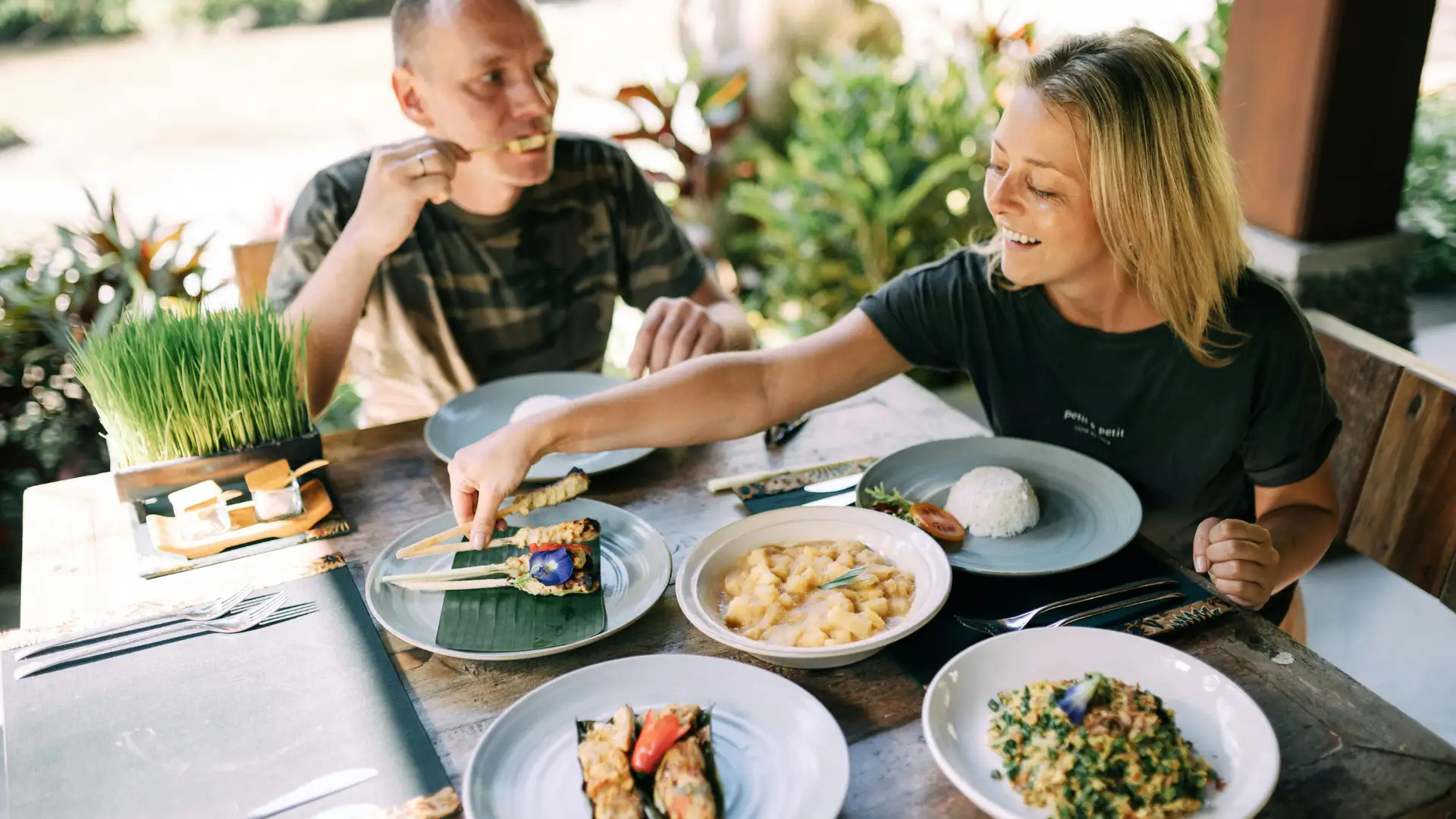
A Mediterranean quinoa with roasted vegetables It's chameleon-like; it shines both as a warm and comforting lunch and as a sophisticated cold salad for intensely hot days.
If you choose to serve it cold, wait for the vegetables to reach room temperature before mixing in the herbs, as residual heat can oxidize the basil, turning it dark and giving it a metallic taste.
This dish is the epitome of smart cooking: it requires minimal active supervision, delivers impeccable aesthetics, and respects the biological need for high-performance nutrients.
+ Overnight oats with berries and chia seeds for breakfast.
What's the science behind the perfect seasoning in Mediterranean quinoa?
There's something unsettling about recipes that treat seasoning as a secondary detail; in fact, the Mediterranean quinoa with roasted vegetables It depends on a specific chemical reaction to glow.
The secret lies not only in the salt, but in the order in which the acidic and lipid elements encounter the heated fibers, a concept often misunderstood by amateur cooks.
When the vegetables come out of the oven, they are at their maximum porosity. It is at this exact moment that extra virgin olive oil should be introduced, as it acts as a vehicle for the volatile aromatic compounds of the garlic and rosemary.
If you season quinoa only when it's chilled, the flavors will "sit" on the surface instead of penetrating the core of the grain, resulting in a shallow and purely functional sensory experience.
Furthermore, the introduction of the acidic element — the zest and juice of Sicilian lemons — fulfills a fundamental biological role: breaking down the fat molecules in the olive oil, which cleanses the palate and enhances the umami flavor of the roasted tomatoes.
This technique, inherited from the culinary traditions of southern Italy and Greece, transforms humble ingredients into a complex feast.
To understand how acidity interacts with taste perception and aids in the digestion of whole grains, you can consult studies on sensory physiology and nutrition on the portal of [website name/source]. Pan American Health Organization (PAHO).
Conclusion: The future of mindful eating
Adopt the Mediterranean quinoa with roasted vegetables Using food as a base is a concrete step towards a more balanced routine, where the pleasure of eating meets respect for human physiology.
This recipe proves that culinary sophistication doesn't require exhaustive processes, but rather a deep understanding of how ingredients interact under heat and how nutrients benefit the body holistically.
By mastering this preparation, you invest in longevity and well-being, ensuring that each meal is an opportunity to nourish the maximum potential of your physical health and daily mental clarity.
This is not just about a light dish, but a manifesto on how the right food choices can dictate the pace of our productivity and longevity in the current scenario of 2026.
To deepen your knowledge about sustainable cultivation and the botanical properties of these grains, visit the portal of EMBRAPA, a leading institution in applied food science in Brazil.
FAQ – Frequently Asked Questions
1. Can I use quinoa flakes in this recipe?
Not recommended. The flakes lose their structure and become a paste when mixed with the vegetables, compromising the chewing experience and the visual scannability of the dish.
2. How do I know if the vegetables are ready?
The clearest sign is the shrinking of the bell pepper and the light browning at the tips of the onion. The cherry tomato should be about to burst, concentrating its sweet juice.
3. Can I substitute Sicilian lemon for Tahiti lime?
Yes, but be careful. Tahiti lime is more acidic and less aromatic; use only half the suggested amount so as not to mask the delicate flavor of the quinoa and olive oil.
4. Should roasted garlic be discarded?
Absolutely not! After roasting with the skin on, the garlic becomes a sweet and creamy paste. You can squeeze it over quinoa for an extra boost of Mediterranean flavor.
5. What is the best type of quinoa for this recipe?
Mixed (tricolor) quinoa is a favorite among chefs for this dish, as the black and red varieties retain a higher crunchiness, while the white variety provides the necessary softness for binding.