
Why is the tomato considered a superfood?
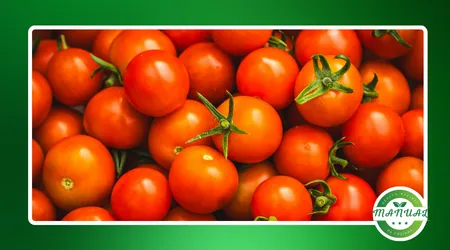
Today, we delve into the world of the tomato, a fruit (yes, botanically it's a fruit!) that transcends the salad and establishes itself as a true superfood.
Adverts
But why has the tomato captivated the world's nutrition industry?
The global fascination with this vibrant food is nothing new. Since its origins in the Andes and its eventual popularization in Europe, it has always been viewed with enthusiasm.
However, modern science has confirmed what popular wisdom already suspected: its benefits go far beyond cooking.
This juicy and versatile fruit is a low-calorie nutritional powerhouse. Its unique composition offers robust defense against chronic diseases.
Adverts
It is a basic element in globally recognized diets, such as the Mediterranean diet.
The intense red color is an indication of its richness in bioactive compounds. Nature seems to have concentrated a pharmacy of protective compounds in this food.
Including it in your daily diet is an investment in your well-being.
What Makes Tomatoes So Powerful for Health?
The great advantage of tomato It resides in the high concentration of lycopene. This carotenoid is a natural pigment with powerful antioxidant properties.
He is responsible for the characteristic red color that we appreciate so much.
Lycopene works by neutralizing free radicals in the body. This protective action is fundamental in preventing cellular oxidative stress.
Regular consumption is associated with a reduction in several health risks.
Another noteworthy point is the bioavailability of lycopene. Interestingly, when cooked or processed (such as in sauces), its absorption by the body increases significantly.
This is a rare example where preparation improves nutritional potential.
Read more: The powers of ginger: natural anti-inflammatory
In addition to lycopene, the fruit offers an excellent dose of vitamin C. Vitamin A, potassium, and B vitamins are also present. This synergistic combination amplifies the beneficial effects.
What are the scientifically proven benefits of consuming tomatoes?
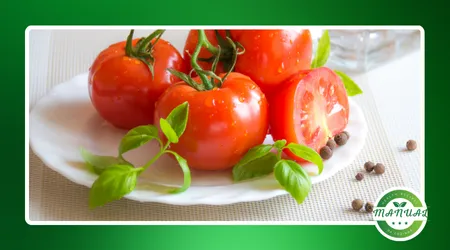
The accumulated scientific literature on this fruit is vast and compelling. One of the most relevant research focuses is its protective effect on the cardiovascular system.
Lycopene helps reduce LDL cholesterol, the so-called "bad cholesterol".
A 2024 study, published in The American Journal of Clinical Nutrition, revisited the effectiveness of lycopene in heart health.
The study demonstrated that ingesting extract of tomato It improved endothelial function in patients. The results corroborate its relevance in the prevention of heart disease.
| Nutrient | Quantity (per 100g of raw tomato) | Main Function |
| Calories | 18 kcal | Very low calorie content |
| Vitamin C | $\approx 14$ mg | Strengthening the immune system |
| Potassium | $ \approx 237$ mg | Regulation of blood pressure and muscle function |
| Lycopene | $\approx 3$ mg | Powerful antioxidant and cell protection. |
Another promising field is preventive oncology. Several observational studies indicate a link between diets rich in this fruit and a lower incidence of certain types of cancer.
The antioxidant action of lycopene is, once again, key to this mechanism.
++ How beetroot can improve athletic performance
We cannot overlook the health benefits for the skin. Lycopene, when consumed, helps protect against damage caused by ultraviolet rays.
It's like an internal sunscreen, complementing topical protection.
How to Maximize Intake of the Beneficial Components of Tomatoes?
The culinary versatility of tomato This makes it easy to include in any diet. To optimize lycopene absorption, the tip is simple: prefer it cooked and consumed with a little healthy fat.
A practical and delicious example is the sauce of tomato artisanal. Cook the ripe fruit in extra virgin olive oil for an extended period.
The breakdown of cell walls releases lycopene, and olive oil facilitates its absorption as a fat-soluble substance.
Another original suggestion is a smoothie A morning smoothie that includes the fruit. Mix it with carrot, beetroot, and a drizzle of olive oil. This is a creative and refreshing way to start the day. boost of antioxidants.
To get an idea of its dietary importance, let's consider the prevalence of chronic diseases.
The U.S. Department of Health and Human Services indicated that more than 501% of American adults have one or more chronic diseases.
++ The nutrients in broccoli and how to make the most of them
Including superfoods like this in your diet is a vital strategy.
Tomatoes and the action of Lycopene
Imagine lycopene as a team of highly specialized firefighters. The human body, constantly exposed to toxins and stress (the "fire"), generates harmful byproducts.
These byproducts are free radicals.
The lycopene “firefighters” arrive quickly on the scene. They neutralize and “extinguish” these unstable molecules before they cause serious damage to the cells (the “buildings”).
They protect the vital structure of the organism.
This constant preventive action is what gives it tomato your status Superfood. Why, after all, ignore an ingredient that is tasty, affordable, and such a powerful ally for our health?
++ Why tomatoes are powerful in disease prevention.
Conclusion: A Nutritional Gem on the Global Table
Indeed, this unassuming fruit has earned its rightful place at the forefront of nutrition. Whether fresh in salads, cooked in sauces, or concentrated in extracts, it offers undeniable benefits.
Her story is proof that the simplest foods can contain the greatest powers.
As a food and health journalist, I reiterate: including this food in your daily routine is not just a culinary choice. It's a smart decision for preventative health.
O tomato It is an indispensable protagonist in the quest for a full and vigorous life in 2025.
Frequently Asked Questions
Is it really true that tomatoes are better cooked than raw?
To maximize lycopene absorption, yes. Heat breaks down cell walls, releasing the antioxidant, and the presence of fat (such as olive oil) facilitates its absorption by the body.
Should people with a history of kidney stones avoid consuming it?
This fruit contains oxalates, which in excess can contribute to the formation of kidney stones in predisposed individuals.
In these cases, moderation is key, and consulting a nephrologist or nutritionist is essential.
What are the main signs of a fresh and ripe fruit?
Always look for a deep, uniform red color, without any green spots. The texture should be firm, but yield slightly to gentle pressure. The aroma should be fresh and slightly sweet.
Would you like to learn more about the properties of another superfood, such as saffron or garlic?