
How beetroot can improve athletic performance
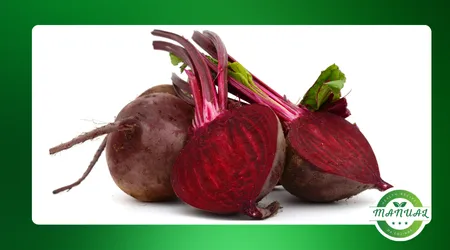
A Beetroot may improve athletic performance.This often-underestimated tuber is rewriting the sports nutrition manual with its ergogenic potency.
Adverts
From long-distance runners to weightlifters, the evidence is mounting, turning beetroot juice into a veritable pre-workout elixir.
The purple revolution has a name: inorganic nitrate.
This compound is abundant in beetroot. The human body converts nitrate into nitrite and, subsequently, into nitric oxide (NO).
Nitric oxide is the true protagonist of this story.
Adverts
The increased bioavailability of NO in the body has profound impacts. It is a potent vasodilator.
This means that the blood vessels relax and expand. Blood flow to the active muscles increases considerably.
The improved delivery of oxygen and nutrients is a key difference. A reduction in oxygen cost (VO₂) is also observed for the same exercise load.
How does beetroot improve oxygen transport in muscles?
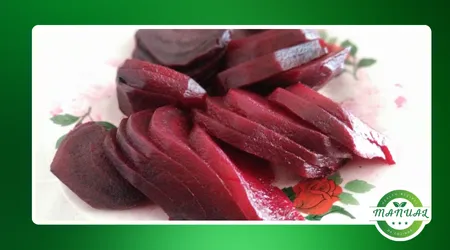
The mechanism is elegant and biological. Beetroot acts by optimizing the system. Vasodilation driven by nitric oxide is the central key.
More blood means more oxygen reaching the muscles.
The muscle's ability to use this oxygen economically is remarkable.
++Traditional Pernambuco-style rolled cake recipe
Less energy is wasted. Athletes are able to delay muscle fatigue, a critical factor.
This is particularly valuable in aerobic activities. Marathon runners and cyclists reap direct benefits. The increase in endurance is clinically proven.
The Power of Nitric Oxide: What Does Current Research Say?

The scientific debate continues, but consensus is solidifying.
Recent studies corroborate the role of beetroot. The evidence focuses mainly on exercise. endurance and high intermittent intensity.
Read more: Ketogenic Diet: Benefits, Risks, and 5 Easy Recipes to Get You Started
A meta-analysis published in 2025, for example, gathered robust data.
She demonstrated that nitrate supplementation reduces VO₂ during submaximal exercise. This reduction is linked to improved performance.
Consuming the ideal dose is crucial for the effect. The supplementation protocol varies between acute and chronic. Doses of 6 to 12 mmol of nitrate are usually tested.
| Nitrate Dose (mmol) | Ingestion Protocol | Reported Main Effect |
| $\sim 8$ (140ml juice) | 5 consecutive days | 7% increase in 1RM Squat (RCT – 2025) |
| $6.2$ | 3 hours before the test | No significant effects on performance of sprint (2019) |
| $0.5$ Liter | 3 consecutive days | 16% increase in time to exhaustion (CNN Brazil – 2023) |
A Beetroot may improve athletic performance.How does this translate into practice?
Imagine a marathon runner. From kilometer 30 onwards, every gram of oxygen counts.
Beetroot acts as a silent 'turbocharger' for mitochondria. It optimizes cellular respiration.
++Benefits of extra virgin olive oil for heart health
The athlete experiences a lower perception of effort. Fatigue is pushed back in time. The result is a faster pace in the final moments.
A study showed that runners who consumed beetroot ran 5% faster in the last 1.8 km of a 5K race.
This improvement occurred without them experiencing an increase in perceived exertion.
Beyond Endurance: The Benefits for Strength and Recovery
The effects of Beetroot may improve athletic performance. They are not limited to endurance.
Strength and power also benefit. The logic is the same: better blood supply.
A weightlifter, for example, may feel their muscle become "fuller." The increase in perfusion is immediate. This results in a greater peak of muscle torque.
Check out this interesting article too: Beetroot as a pre-workout snack: see the benefits and how to consume it.
A 2025 study reinforced the influence on strength. Athletes experienced an increase in peak extensor torque. Vasodilation allows for better removal of metabolic byproducts.
Think about your training. CrossFitIn a series of burpees At high intensity, the buildup of lactic acid is your enemy.
Beetroot, by improving circulation, accelerates the "cleaning" of this metabolic waste. You are able to maintain your power in the final stretch.
Post-exercise muscle recovery also comes into play. Betalain, the pigment that gives beetroot its purple color, is a powerful antioxidant.
It acts as a natural anti-inflammatory, helping to reduce delayed onset muscle soreness (DOMS).
In a recent clinical trial, beetroot juice supplementation led to a significant reduction in gastrocnemius (calf) muscle soreness after 24 hours of intense exercise.
When is the ideal time to consume beet juice?
Peak plasma nitric oxide levels occur on average two to three hours after ingestion. Therefore, consumption should be carefully scheduled.
Beetroot should be incorporated into your routine, not just on the day of the exam.
Dosage can be acute (on the day of the event) or chronic (in the days prior). The chronic protocol appears to offer more consistent results.
Regular consumption of other nitrate-rich foods, such as arugula and spinach, complements the plan.
A high-performance soccer player needs explosiveness and stamina. Chronic supplementation with beetroot juice acts as a "reserve" of nitric oxide.
During a sprint in the second half, the Beetroot may improve athletic performance. by ensuring that your muscles are at peak efficiency for that crucial sprint.
Beetroot is a low-cost, highly effective superfood. It's a legitimate natural ergogenic aid. Its potential for optimizing performance is immense.
Is your meal plan neglecting this natural impulse?
Conclusion: The Purple Color of Victory
A Beetroot may improve athletic performance. It's more than a trend; it's a fact backed by science.
The transformation of nitrate into nitric oxide acts as a biological refinement, enhancing oxygen economy, vasodilation, and muscle power.
Beetroot acts as a software Computer optimization: it doesn't increase the maximum capacity of your hardware (your body), but it makes it run much more efficiently, taking full advantage of what already exists.
For athletes of all levels, incorporating this tuber into their diet is not just a smart choice, it's a competitive strategy, always while maintaining professional guidance for appropriate dosages.
Frequently Asked Questions: Can beetroot improve athletic performance?
Does beetroot juice need to be concentrated to work?
Not necessarily. While concentrated supplements guarantee the exact dose of nitrate (usually 400-500 mg), homemade, unstrained juice made with 2-3 small beets (approximately 250ml) is also effective.
The crucial factor is the amount of nitrate ingested, regardless of the form.
Are there any contraindications or side effects?
Beetroot is safe. Common side effects include beturia (reddish urine), which is harmless. In some cases, there may be mild gastric discomfort due to the high concentration of fiber or nitrates.
People with medicated hypotension (low blood pressure) should exercise caution and consult a doctor or nutritionist.
Is the nitrate in beetroot the same nitrate used in meat preservatives?
Chemically, yes, but the biological context is completely different.
In beetroot and other vegetables, nitrate is accompanied by potent antioxidants (such as betalains) that neutralize the formation of N-nitrosamines (potentially carcinogenic compounds linked to processed meats). Therefore, the consumption of plant-based nitrate is considered safe and beneficial.