
The nutrients in broccoli and how to make the most of them

The nutrients in broccoli are a true treasure for health, and understanding its richness is the first step to a truly functional diet.
Adverts
This often underestimated vegetable carries an arsenal of bioactive compounds essential to our well-being, deserving a prominent place in any balanced diet.
We'll take an in-depth look at what makes broccoli a superfood. We'll explore its crucial components and the best strategies to ensure maximum absorption of these vital benefits.
What Makes Broccoli a “Superfood” and What Are Its Key Components?
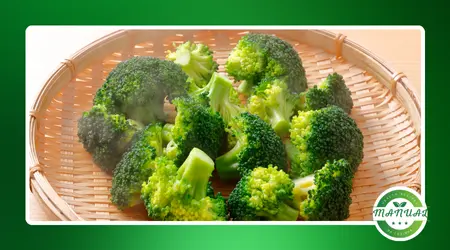
Broccoli's reputation as a nutritional powerhouse lies in its diverse composition of vitamins, minerals and phytochemicals.
It is an undisputed champion when it comes to nutritional density, providing a lot with few calories.
Adverts
The crucial elements for human health are concentrated in this green “little tree.”
Vitamin C stands out, a very powerful antioxidant that significantly strengthens the immune system.
We also found relevant doses of Vitamin K, essential for blood clotting and maintaining bone health.
Another strong point is the presence of folate, essential for cell division and the formation of genetic material.
Broccoli is also an excellent source of dietary fiber. This fiber directly helps regulate intestinal transit and promotes long-lasting satiety.
Additionally, they play a vital role in controlling blood glucose and cholesterol levels.
The real magic of broccoli, however, lies in its sulfur compounds called glucosinolates.
Read too: Yogurt cake with lemon zest and powdered sugar frosting
When the vegetable is chewed or cut, these compounds are transformed into isothiocyanates, such as the renowned sulforaphane.
Sulforaphane is the substance behind many of the anti-inflammatory and anti-cancer properties attributed to broccoli.
Why is Sulforaphane the Main Active and How Does It Act on Cellular Health?
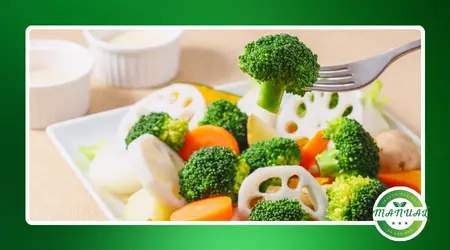
Sulforaphane acts like a conductor in the cellular orchestra. It modulates detoxification enzymes in the liver, helping the body eliminate toxins and carcinogens efficiently.
++Ketogenic Diet: Benefits, Risks, and 5 Easy Recipes to Get You Started
This detoxifying action is a pillar in the prevention of various chronic and degenerative diseases.
This substance also demonstrates remarkable anticancer potential in preclinical and epidemiological studies.
It induces apoptosis, or programmed cell death, in cancer cells. At the same time, it protects healthy cells from oxidative damage.
The body's fight against oxidative stress, which leads to premature aging and disease, is intense. Sulforaphane appears to be a powerful ally in this battle.
++The benefits of eggs in your daily diet
Its anti-inflammatory effects are equally impressive, reducing markers of systemic inflammation.
This is crucial, as chronic inflammation is the root cause of conditions like heart disease and diabetes. Therefore, regularly including broccoli in your diet is justified by the action of this single compound.
How Do Preparation Techniques Impact the Preservation of Broccoli Nutrients?
Many nutrients are heat-sensitive and water-soluble, meaning that heat and water can degrade or leach them.
Preparing broccoli improperly substantially compromises the intake of its beneficial compounds.
Overcooking, especially by boiling, is the number one enemy of nutritional bioavailability.
Vitamin C and myrosinase, the enzyme that forms sulforaphane, are particularly vulnerable to heat.
Myrosinase, for example, can be inactivated if exposed to high temperatures for prolonged periods. As a result, fewer glucosinolates are converted into the highly beneficial sulforaphane.
To optimize the presence of sulforaphane, science suggests a simple and ingenious technique.
Cutting or chopping broccoli before cooking is essential to initiate enzymatic conversion.
What are the best strategies to increase the absorption of nutrients from broccoli on a daily basis?
The way we combine broccoli with other foods also enhances the absorption of its nutrients.
Incorporating a small amount of healthy fat, such as extra virgin olive oil, is an effective strategy.
This helps in the absorption of fat-soluble vitamins present in the vegetable, such as Vitamin K.
A useful analogy is to think of broccoli as a polished diamond. Steaming and eating with olive oil are the best ways to polish it.
They reveal all their shine and nutritional value, while boiling makes them opaque.
Another smart approach is to include foods rich in myrosinase if the broccoli has been overcooked.
Radishes, mustard greens, or raw cabbage contain this enzyme. Adding them to cooked broccoli can "rescue" the formation of sulforaphane.
This demonstrates the synergy present in a diet based on diverse plants.
Explore more: Broccoli: How to prepare it to maximize its nutrients? See 3 recipes
What is the Nutritional Difference Between Raw and Steamed Broccoli?
The comparison between the two forms of consumption reveals the impact of preparation techniques on the components of the vegetable.
Although steaming preserves much, some losses are inevitable.
The table below illustrates the nutritional differences per 100g, showing the superiority of the raw version in some nutrients:
| Component | Raw Broccoli (100g) | Steamed Broccoli (100g) |
| Calories | ||
| Vitamin C | ||
| Vitamin K | ||
| Folate | ||
| Potassium |
Source: Data adapted from nutritional compositions of updated references such as USDA and TBCA, considering ideal cooking methods.
Note that Vitamin C shows the most notable reduction, while other nutrients, such as folate and Vitamin K, may even have slightly altered bioavailability or concentration.
How to Include Broccoli Nutrients in Your Daily Diet and Ensure Their Benefits?
Incorporating broccoli into your daily routine doesn't have to be boring or complex. The key is creativity and using cooking methods that respect its nutritional integrity.
Start incorporating it as a main dish, not just as a garnish.
Trying broccoli sprouts is another way to maximize your sulforaphane intake. Sprouts can contain concentrations of this compound up to 100 times higher than the mature vegetable.
A handful of sprouts in your salad or sandwich is a “super-boost” for your body.
Eating broccoli consistently is a long-term investment in your health, a preventative measure.
This isn't a passing fad, but a smart choice based on solid scientific evidence. Are you reaping the full potential of broccoli's nutrients on your table?
In short, The nutrients in broccoli offer a robust nutritional foundation. Optimizing preparation, combined with regular intake, maximizes the absorption of sulforaphane and crucial vitamins.
Prioritizing broccoli in your diet is a concrete step towards a healthier, longer life.
Frequently Asked Questions: Nutrients in Broccoli
Does frozen broccoli lose a lot of its nutrients?
A: Frozen broccoli, usually blanched (quickly immersed in hot water and then cooled), may have a small initial loss of some nutrients, such as Vitamin C.
However, the blanching process stabilizes the enzymes, preserving most of the nutrients during storage. It's often nutritionally superior to fresh broccoli that's been refrigerated for too long.
Are there any contraindications to daily broccoli consumption?
A: For most people, daily consumption is safe and highly recommended. People with hypothyroidism may have concerns due to the goitrogenic compounds in broccoli.
However, cooking deactivates most of these compounds.
Individuals using anticoagulant medications, due to Vitamin K, should maintain a consistent and moderate intake and consult a doctor or nutritionist.
What part of broccoli is richest in nutrients?
A: The broccoli stalk and leaves, often discarded, are also nutritious. However, the florets are the part densest in compounds like sulforaphane.
Don't discard the stem; it's rich in fiber and can be grated or chopped.