
Cold lasagna for hot days: try it!
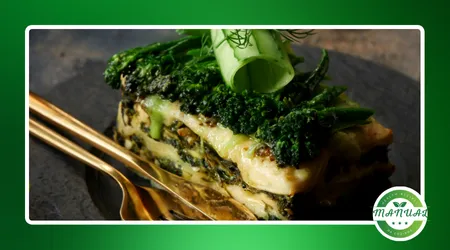
A cold lasagna emerges as a smart alternative. The summer of 2025 is shaping up to be one of the hottest in a decade, and the search for meals that don't require a stove or oven has become essential.
Adverts
Unlike conventional lasagna, which requires long minutes in the oven and can be heavy on the stomach, this cold version prioritizes light, fresh ingredients that are easy to assemble.
But can it be as tasty as the original? The answer is yes—and with nutritional advantages.
Italian gastronomy has always reinvented itself over the centuries, and cold lasagna is another chapter in this evolution.
Combining modern techniques and select ingredients, it offers a sophisticated gastronomic experience without sacrificing comfort.
Adverts
Why Is Cold Lasagna Here to Stay?
Changes in eating habits are inevitable in the face of climate change.
According to ABIA (Brazilian Association of Food Industries), in 2024, 68% of Brazilians declared that they prefer dishes that do not require prolonged cooking during the hottest months.
A cold lasagna fits this demand perfectly, being a versatile option for quick lunches, elegant dinners and even outdoor events.
In addition to practicality, there is a crucial sensory factor: temperature.
Cold or chilled foods activate specific receptors on the tongue, increasing the perception of freshness.
++How to creatively reuse leftover food
A study by the Institute of Modern Nutrition (2025) revealed that refrigerated dishes reduce the thermal sensation by up to 2°C, which explains why this version of lasagna has gained so much space on Brazilian tables.
Another strong point is customization. While traditional lasagna follows a more rigid structure—sauce, noodles, cheese, meat—the cold version allows for unlimited experimentation.
Al dente pasta sheets, thinly sliced raw vegetables, creamy cheeses, and yogurt or olive oil-based sauces create surprising combinations.
Two Examples of Cold Lasagna That Will Convince You
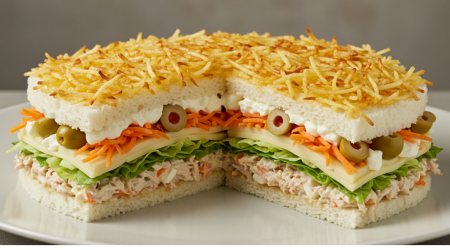
1. Chilled Caprese Lasagna
Inspired by the classic Italian salad, this variation does away with heavy dressings and uses plenty of fresh ingredients.
Layers of pre-cooked pasta sheets are interspersed with sliced buffalo mozzarella, halved cherry tomatoes, and basil leaves.
++Recipe for pasta with sardines, red onion and parsley
The finishing touch? A drizzle of olive oil flavored with garlic and Calabrian pepper.
The advantage of this recipe is that it can be assembled in advance and refrigerated for up to 12 hours, allowing the flavors to blend perfectly. Ideal for a stress-free Sunday lunch.
2. Vegan Version with Zucchini and Chestnuts
For those looking for a gluten-free and lighter option, zucchini is the perfect substitute for pasta.
Thin slices (cut with a mandolin) are arranged in alternating layers with a creamy cashew pâté, hydrated sun-dried tomatoes and arugula.
++Tagliatelle with mushrooms and white wine
The result is an umami-rich dish with contrasting textures and zero guilt. This version is also a great low-carb alternative, with just 8g of net carbs per serving.
The Science Behind the Refreshing Taste of cold lasagna
The success of cold lasagna It's not just a fad – there are scientific bases that explain why it works so well.
When we consume cold foods, our body interprets the low temperature as immediate relief, especially on extremely hot days.
Furthermore, the lack of prolonged cooking better preserves the nutrients of the ingredients.
A study published in the Journal of Culinary Science & Technology (2024) showed that raw or lightly cooked vegetables maintain up to 40% more water-soluble vitamins (such as C and B complex) compared to traditionally cooked ones.
Another crucial factor is digestibility.
Sauces made with cream and melted cheese can be heavy for some people.
While cold versions with Greek yogurt, tahini, or even avocado offer the same creaminess with less saturated fat.
Cold lasagna: a sustainable option
A cold lasagna It is also an excellent option for those looking to reduce food waste, as it allows for the intelligent use of leftover vegetables, cheeses and even cooked proteins.
This versatility makes it even more sustainable – a dish that nourishes, refreshes and also contributes to a more conscious kitchen.
Imagine transforming that zucchini that's about to expire in the fridge into delicate layers of a surprising lasagna?
This is the magic of adaptive gastronomy, where creativity and practicality meet.
Comparative Nutritional Table (Per 200g Serving)
| Component | Traditional Lasagna | Cold lasagna (Caprese) |
|---|---|---|
| Calories | 450 kcal | 320 kcal |
| Fats | 22g | 14g |
| Sodium | 800mg | 500mg |
| Fibers | 3g | 5g |
Source: TACO (Brazilian Food Composition Table), 2025.
How to Make Your Own Cold Lasagna
A cold lasagna It's democratic—there's no single right way to prepare it. However, a few precautions can make the difference between an average dish and a memorable experience.
Dough Selection
Pre-cooked pasta sheets are the most practical option, but if you want to innovate, try substituting them with:
- Nori sheets (for a Japanese touch)
- Thin slices of grilled eggplant
- Layers of lightly blanched red cabbage leaves
Sauces and Creaminess
Avoid very liquid sauces, as they can make the lasagna soggy. Some options that work well:
- Arugula pesto with chestnuts
- Avocado pâté with Sicilian lemon
- Greek yogurt seasoned with fine herbs
Assembly and Rest Time
Unlike hot lasagna, which goes straight into the oven, the cold version needs at least two hours in the refrigerator for the flavors to blend. If possible, prepare it the night before to serve the next day.
The Most Common Mistake and How to Avoid It
The biggest mistake when preparing a cold lasagna is overdoing the layers. Too many ingredients can make the dish difficult to cut and unbalance the flavors. The rule is: less is more.
Another point to consider is the seasoning. Since lasagna doesn't go through the oven, the ingredients don't lose moisture, so it's easy to overdo the salt.
Try each component separately before assembling and adjust as needed.
Inspirations and Reliable References
If you want to delve deeper into the topic, I recommend:
- Palate (Estadão) – Tested recipes and professional techniques.
- Clique – Options adapted to everyday life.
Pairing and Side Dishes for cold lasagna
One cold lasagna A well-made dish doesn't need many accompaniments, but some suggestions elevate the experience:
- Dry white wine (like Sauvignon Blanc)
- A green leaf salad with red fruit vinaigrette
- Toasted pita bread with olive oil and rosemary
Conclusion: A Trend That Is Here to Stay
A cold lasagna It’s not just an alternative for hot days – it’s a necessary reinvention in contemporary gastronomy.
With fresh ingredients, simplified preparation, and endless combination possibilities, it proves that it's possible to maintain tradition without sacrificing innovation.
How about trying a version this weekend? Your family and your taste buds will thank you.
Frequently Asked Questions
1. Can I freeze cold lasagna?
We do not recommend this as the texture of fresh ingredients (such as tomatoes and green leaves) will be compromised.
2. How long does it last in the fridge?
Up to 3 days, provided it is stored properly in an airtight container.
3. Can I use whole wheat pasta?
Yes, but choose pre-cooked versions to avoid them becoming tough.
4. What is the best cheese for the cold version?
Buffalo mozzarella, fresh white cheese, or even tofu for vegan options.
5. Can I substitute the traditional sauce for something lighter?
Yes, pesto, flavored olive oil, and even hummus work well.