How to creatively reuse leftover food
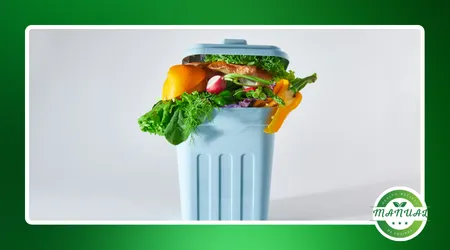
In a world where sustainability has become urgent, reuse food leftovers It goes far beyond domestic economics – it is an act of environmental and social awareness.
Adverts
According to the Food and Agriculture Organization of the United Nations (FAO), approximately 1.3 billion tons of food are wasted globally each year, while millions face food insecurity.
In Brazil, Embrapa estimates that each person discards approximately 41 kg of food annually – enough volume to feed entire families.
But what if, instead of throwing them away, we turned these leftovers into tasty and nutritious dishes?
The secret is in creativity and technical knowledge, from correct storage to culinary reinvention.
Adverts
This guide not only teaches practical techniques, but also proposes reflection: How can small changes in our kitchen impact the planet?
Here, you'll discover everything from traditional preservation methods to innovative recipes, all based on real data and tested strategies.
Let's demystify the idea that leftovers are synonymous with "less noble" food and show that, with a little imagination, even peels, stalks and old bread can become premium ingredients.
1. Why Reuse Leftovers? Beyond Saving Money
Environmental and Social Impact
Food waste isn't just a financial problem—it's one of the biggest contributors to climate change.
++Easy carrot farofa for everyday use
When food goes to waste, all the resources used in its production (water, energy, transportation) are lost.
According to the World Resources Institute, if global waste were a country, it would be the third largest emitter of greenhouse gases.
Reusing leftovers reduces pressure on landfills, where decaying food releases methane, a gas 25 times more polluting than CO₂. Furthermore, in a context of inflation and high cost of living, avoiding waste means increase purchasing power without sacrificing quality.
Nutrition and Health
Many parts of food that we tend to discard are precisely those richest in nutrients.
++Frozen dessert with just 3 ingredients
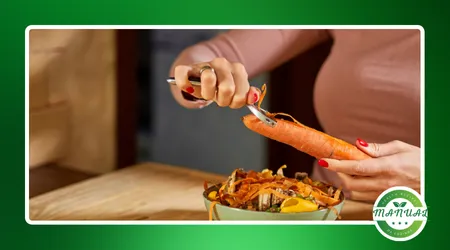
Sweet potato peels, for example, contain more fiber than pulp, and spinach stalks are sources of iron and calcium.
To the reuse food leftovers, not only do we avoid waste, but we also increase our intake of essential vitamins and minerals.
2. Effective Techniques for Preserving and Transforming Leftovers
Smart Storage
The shelf life of leftovers depends directly on how they are stored. Cooked meats, for example, should be refrigerated in airtight containers and consumed within 48 hours.
++Basic Kitchen Cutting Techniques: Master this skill.
Raw vegetables, such as carrots and celery, stay fresh longer when wrapped in damp cloths or paper towels.
A little-known technique is the bleaching (quickly dip in boiling water and then in ice), which preserves the color and texture of vegetables before freezing.
So, even after days, they maintain the perfect crunch for soups or stir-fries.
Creative Reuse Methods
- Dehydration: Turn overripe fruit into chips (apples and bananas are great baked at a low temperature).
- Fermentation: Leftover cabbage becomes homemade sauerkraut, a natural probiotic.
- Alternative flours: Crushed old bread becomes breadcrumbs, and eggshells (washed and ground) are a source of calcium for plants or even a food supplement.
3. Practical Recipes to Reuse Leftovers
Beans Turned into Vegetable Burgers
Leftover beans from lunch can be mashed, mixed with oats, seasonings and an egg (or hydrated flaxseed for a vegan version).
Form the discs, bake over medium heat and you will have a burger rich in protein and zero waste.
Fruit Peels in Jams or Drinks
Pineapple, apple, and even watermelon rinds can be boiled with brown sugar and lemon for a quick jam. Another option is to infuse them in cinnamon water, creating a “flavored water” antioxidant.
Look how interesting: How to reuse leftover food and create incredible dishes with creativity
4. Data that Impresses (and Motivates Change)
| Statistic | Source |
|---|---|
| 30% of the food produced is lost | FAO (2025) |
| 61% of Brazilian waste is organic | ABRELPE (2024) |
If a gourmet restaurant can create award-winning dishes with ingredients that were once discarded, why not do the same at home?
5. The Role of Technology in Food Utilization
Recent advances in smart apps and devices are revolutionizing the way we deal with leftovers.
Platforms like Too Good To Go connect consumers to restaurants and markets that sell surplus produce at symbolic prices, reducing waste.
At home, smart fridges (smart refrigerators) monitor food expiration dates and suggest recipes based on what is about to expire.
This integration between technology and food awareness proves that reuse food leftovers It doesn’t have to be challenging – it can be simple, modern, and even profitable.
Additionally, techniques such as homemade vacuum packaging It is electric dehydrators are becoming more popular, allowing even the least experienced to preserve food for weeks.
Imagine turning ripe tomatoes into sun-dried tomatoes in a few hours, or create your own dehydrated fruits for healthy snacks.
Technology not only makes the process easier but also opens doors to new forms of culinary creativity.
6. The Future of Reuse: Global Trends
Restaurants zero-waste (waste-free) are becoming a model for the food industry, with renowned chefs proving that haute cuisine and sustainability can coexist.
In the UK, the movement “Root-to-Stem” (from root to stem) gains strength, encouraging the full use of vegetables – from peels to seeds.
In Brazil, initiatives such as “Invisible Food” work to redistribute surpluses from markets and supermarkets to needy communities, while combating hunger and waste.
These trends reflect a cultural shift: yesterday's trash is tomorrow's star ingredient.
As more people adopt conscious habits, governments and businesses are also under pressure to act.
Have you ever imagined a world where supermarkets don't have trash cans, because everything is reused? This future is closer than it seems – and it starts in your kitchen.
Conclusion: Small Actions, Big Results
Reuse food leftovers it's a habit that matches economy, health and sustainabilityWith the right techniques, even the simplest leftovers gain new flavor and purpose.
How about starting today by better storing tomorrow's lunch or planning dinner with what you already have in the fridge?
The planet – and your wallet – will thank you.
Frequently Asked Questions (FAQ)
1. Can I freeze any type of leftovers?
Almost all, except foods with high water content (like lettuce) or mayonnaise-based creams, which curdle.
2. How to avoid the risk of poisoning?
Always heat above 75°C and never refreeze thawed food.
3. Are potato peels safe to eat?
Yes, as long as they are well washed and preferably organic (avoiding pesticides).
4. What is the best way to store cooked rice?
Store in a sealed container in the refrigerator for up to 3 days. For freezer use, divide into portions.
Ready to transform your kitchen into a sustainable laboratory?