
How to organize a small kitchen without wasting useful space.
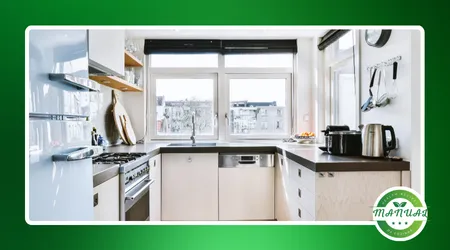
In the frenetic pace of cities in 2026, transforming a cubicle into a high-performance gastronomic center is not just about aesthetics; it's about preserving one's own sanity while preparing dinner after an exhausting day.
Adverts
Maintaining order when square footage seems to conspire against you requires less "magic" and much more guerrilla warfare strategy.
In this guide, we'll dissect how using smart accessories and a change in mindset can transform that cramped corner into an environment of absolute fluidity.
Below, I've outlined the key points of this transformation, focusing on what truly works in practice and discarding decorative solutions that only serve to accumulate dust and frustration.
Summary
- Verticalization as a manifesto of space.
- The invisible arsenal in the closets
- The psychology of necessary disposal
- Home appliances: the positioning challenge
- Table: Where do you actually gain usable space?
- Light and perception: the ultimate design trick.
- FAQ: What nobody tells you about compact kitchens
Why is verticalization essential?
Empty walls are actually underutilized space that you're wasting out of sheer habit.
Adverts
Looking upwards allows the countertop to breathe, giving you back the necessary space to chop a vegetable without dropping the salt shaker on the floor.
Magnetic bars and hanging rails aren't just modern; they're brutally efficient. By removing knives and spatulas from cluttered drawers, you eliminate visual and mechanical friction, making cooking almost instinctive and much faster.
Hooks installed under upper shelves solve the age-old dilemma of mugs that never stand upright.
This tactic creates a new layer of storage in a space that was previously just air, protecting your favorite pieces from accidental chipping.
To understand how to organize a small kitchen It involves accepting that the ceiling has real utility. Suspended pot racks, a trend consolidated in 2026, evoke the pragmatism of professional kitchens, where what matters is immediate access and constant air circulation.
What accessories optimize closets?
Tiered shelves are the antidote to the useless "vacuum" that often exists between the top of the plates and the top of the cupboard.
Without these dividers, you end up stacking items precariously, turning every attempt to grab a saucer into an imminent risk.
Transparent grouping baskets function like mobile drawers for the chaos of condiments. The logic here is visual: if you can't see what you have, you buy more, generating a vicious cycle of accumulation that stifles any attempt at organization.
Wire sliding drawers are essential for rescuing those jars that end up "at the bottom of the ocean" in lower cabinets.
This small ergonomic adjustment prevents you from having to kneel every time you decide to use a pressure cooker or a food processor.
When searching how to organize a small kitchenNotice that internal drawer dividers are the detail that separates order from neglect.
Having a designated place for each utensil avoids irritating metallic noise and the frantic search for a lost can opener.
How does smart disposal expand space?
Clutter is often an emotional anchor that binds us to objects that have lost their function. A rigorous semi-annual audit is the only way to keep the kitchen operational, identifying what is a tool and what is just junk.
Donate that appliance you bought on impulse and only used once. A bread machine taking up the space of a dish rack is a logistical miscalculation that compromises the dynamics of any small home in 2026.
Many advocate for balance, but the truth is that discarding things hurts less than living in a cluttered environment.
If a new item enters the house, an old one should immediately be removed, keeping the density of objects at a manageable level.
The focus on how to organize a small kitchen It should be a rigorous curation of quality. Having fewer items, but more versatile ones, reduces the time spent on cleaning and maintenance, leaving more energy for what really matters: the taste.
+ How to blanch vegetables without losing color and nutrients during cooking.
Where should large appliances be placed?
The flow between the sink, stove, and refrigerator—the classic work triangle—should be sacred and inviolable. Placing an obstacle in this path is guaranteed to lead to mishaps and inefficiency, turning the domestic routine into a constant test of patience.
Appliance towers emerge as the ultimate solution for those who don't have extra counter space. By stacking the oven and microwave, you preserve horizontal surface area for handling fresh ingredients, something vital in modern apartment layouts.
Opt for multifunctional appliances that truly deliver on their promises. A good air fryer that also bakes eliminates the need for two separate appliances, simplifying the kitchen layout without sacrificing the variety of your weekly menu.
To know how to organize a small kitchen It requires a tape measure and honesty about the available space. Ignoring manufacturers' ventilation specifications is a common mistake that can drastically reduce the lifespan of your most expensive equipment.
+ Meat searing methods for maximum juiciness and flavor.
Table: Comparison of space savings
| Applied Strategy | Gain in Usable Area | Cost | Impact Level |
| Verticalization (Walls/Ceiling) | 15% to 25% | Low | High |
| Closet Organizers | 35% | Average | Transformer |
| Duplicate Disposal | 10% | Zero | Psychological |
| Recessed Lighting | Visual (Perception) | Average | Aesthetic |
How important is lighting in design?
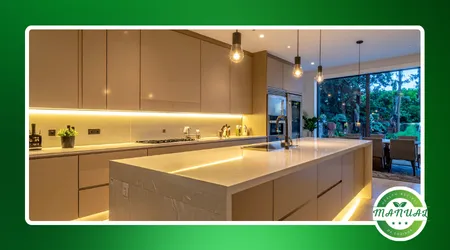
Poorly lit kitchens tend to feel claustrophobic and, frankly, a bit depressing. Installing LED strips under upper cabinets isn't a decorative whim; it's a functional necessity to prevent knife accidents in shadowed areas.
Neutral lighting aids in precision work, while yellowish spotlights in strategic points create layers of depth.
This variation in tones "tricks" the eye, making the walls appear to be farther away than they actually are.
Mirrors or reflective surfaces on the backsplash can visually double the depth of the countertop.
It's a classic design trick that, when well executed, completely changes the confined atmosphere typical of galley kitchens.
When planning how to organize a small kitchenDon't neglect the natural light that comes in through the windows. Avoid obstructing them with saucer stands or bulky plants; connection with the outdoors is the best antidote to a feeling of confinement.
How to maintain organization in the long term?
Organization is not a one-time event, but a system of continuous maintenance. Creating the habit of "cleaning while cooking" prevents a war zone from developing in the sink, which is fatal for environments with little room to maneuver.
Labels might seem like overkill, but they're the instruction manual for your pantry. When each container has its name and place, other residents lose their excuse for leaving groceries out of place.
Reassess the arrangement of your kitchen utensils with each change of season or diet. If coffee has become the star of your morning routine, move the coffee maker to the "golden zone" of the countertop, where access is easier and faster.
Master how to organize a small kitchen It's about understanding that the space should serve your current needs, not your future desires. Adjusting the house as life unfolds is what ensures that order remains for years.
+ How to use herbs in freezing spice ice cubes
Final Reflection
Solving the puzzle of a small kitchen is an exercise in intention. When we stop fighting against the lack of space and start using logic to our advantage, square footage ceases to be a problem and becomes a detail.
The secret lies in the balance between the technology of the accessories and the discipline of habits. An organized kitchen is, above all, a tool for freedom that allows you to be the master of your own time and flavor.
To delve deeper into architectural trends and solutions that combine aesthetics with extreme functionality, it's worth following the publications of... Vogue House, where Brazilian design finds answers to the challenges of contemporary housing.
FAQ: What nobody tells you about compact kitchens
What is the most common mistake when organizing small spaces?
Trying to cram everything into closets without any organization creates layers of inaccessible items and generates stress. The secret is to only display what you use daily and hide what is seasonal.
Are open shelves a good idea?
It depends on your discipline. They enhance the visual appeal, but require that items are always spotless and coordinated. In kitchens where a lot of frying is done, they can accumulate grease more quickly on exposed utensils.
How to deal with the "dead" corner of an L-shaped closet?
Use hinged hardware known as "magic corners." They bring all the contents from the back of the cabinet out with a simple movement, eliminating that black hole where things usually disappear.
Is it worth investing in custom-made furniture?
In critical areas, yes. Custom-designed furniture takes advantage of angles and heights that standard furniture ignores, ensuring that every millimeter is converted into real storage capacity.