
Easy homemade crème brûlée with a perfect crispy crust.
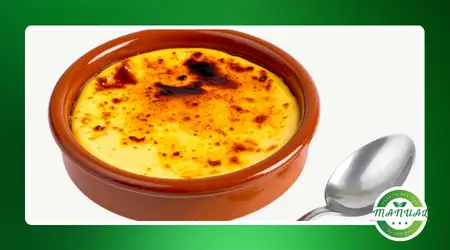
Prepare a Easy homemade crème brûlée It requires much more than just mixing ingredients; it demands a kind of ritualistic patience with temperature so that the silkiness of the cream is not lost due to a coagulation error.
Adverts
This French dessert, though shrouded in an aura of inaccessibility, became a favorite project in home kitchens in 2026, where mastery of the technique surpassed the mystique of luxury restaurants.
The secret lies not in complexity, but in the almost obsessive quality of the vanilla and the control of the heat, elements that transform a simple mixture of eggs and milk into an absolute sensory contrast between cold and fire.
Summary
- What ingredients define authentic Crème Brûlée?
- How to prepare a cream with a silky texture?
- What's the secret to the perfect sugar crust?
- Nutritional and technical table
- Frequently Asked Questions (FAQ)
What ingredients define authentic Crème Brûlée?
The soul of this delicacy lies in the fundamental triad: rich egg yolks, high-fat cream, and the woody aroma of vanilla bean.
Replacing fresh cream with boxed versions is a dangerous shortcut that sacrifices the stability of the emulsion, resulting in something watery and lacking the necessary richness.
Adverts
The vanilla bean, with its tiny black specks, delivers a depth that no artificial extract can simulate, providing a visual authenticity that is, honestly, essential to the result.
So that your Easy homemade crème brûlée To avoid unwanted separation, keep the eggs at room temperature, ensuring that the sugar dissolves without excessive effort or friction.
For icing, granulated sugar usually has an advantage over refined sugar because its more robust structure creates a resistant glaze, the kind that produces that dry, satisfying crackle when spooned in.
How to prepare a cream with a silky texture?
The process begins with a slow infusion of the cream. Heating it with vanilla allows the plant's essential oils to be released, perfuming the entire dairy base.
While the heat is working, gently mix the egg yolks into the sugar using circular motions. The goal here is homogeneity, never aeration, which would create unwanted surface air bubbles.
Tempering is the critical moment: pour the hot liquid over the eggs in a steady, but very thin stream. It's a thermal dance that prevents the yolks from cooking prematurely.
Always pass the mixture through a fine-mesh sieve before pouring it into ramekins. This small gesture removes any remaining egg white or lumps, ensuring unparalleled tactile elegance.
Cooking in a bain-marie, inside a calm, low oven, allows the egg proteins to slowly embrace each other, forming a firm yet delicate structure.
Step-by-Step Recipe
Ingredients (Serves 4)
- 500ml of fresh cream (minimum 35% fat)
- 100g of refined sugar
- 5 large organic egg yolks
- 1 ripe vanilla bean
- Granulated sugar for finishing.
Method of preparation
- Preheat the oven to 150°C and prepare a kettle of hot water.
- Heat the cream with the vanilla without allowing it to boil vigorously.
- Combine egg yolks and sugar without beating, just incorporating them.
- Temper the mixture by pouring the hot cream over the egg yolks.
- Strain the liquid and fill the ceramic ramekins.
- Arrange them in a baking dish and add the water for the bain-marie.
- Bake for about 40 minutes; the center should wobble slightly.
- Refrigerate for at least 6 hours to allow the structure to set.
What's the secret to the perfect sugar crust?
The glassy crispness depends on a dry environment. Before sprinkling with sugar, blot the top of the ice cream with paper towels to prevent moisture from dissolving the caramel.
The use of a blowtorch is what separates the amateur from the serious enthusiast. The concentrated heat melts the sugar instantly, creating the glass barrier without compromising the ice-cold temperature of the cream.
Move the flame constantly, as if you were painting the surface. The ideal point is a deep amber; any excessively dark shade will bring a bitterness that masks the delicacy of the vanilla.
If a blowtorch is not available, a metal spoon sacrificed to direct flame may work, although it requires manual dexterity that rarely delivers the same visual uniformity.
The golden rule is to caramelize and serve. If the dessert is returned to the refrigerator, the caramel will hydrolyze and become a sticky syrup, ruining the intended textural contrast.
Execute a Easy homemade crème brûlée It's about understanding that sophistication doesn't lie in an excess of ingredients, but in the almost surgical precision of a handful of basic components.
Table: Technical Specifications for Crème Brûlée
| Variable | Ideal Standard | Effect on Taste |
| Milk fat | 35% | Unctuousness and body |
| Oven Heat | 140°C – 150°C | Prevents internal porosity. |
| Rest Time | 6am to 12pm | Thermal balance and firmness |
| Caramelization | Culinary torch | Crackling and hazelnut note |
| Finalization | Cold with a hot top | Temperature contrast |
Why is the double boiler method essential in this recipe?
Indirect heat is the only way to ensure the egg doesn't lose its dignity. Without water, the bottom of the ramekin would reach temperatures that would cause the protein to "explode" into granules.
Water acts as a climate moderator for the dessert. It prevents the temperature from exceeding the boiling point, keeping the cream in a cocoon of gentle, constant heat.
Fill the baking pan until the water covers half the height of the ramekins. Less than that will cause the tops to dry out; more than that increases the risk of contamination from splashes.
A professional kitchen trick in 2026 is to use a silicone mat or cloth on the bottom of the baking dish. This stabilizes the ramekins, preventing oven vibrations from creating ripples on the surface of the custard.
The perfection of Easy homemade crème brûlée It lives in the silence of the oven. It's a cooking process that demands a watchful eye: when the edges set, the center should still have the suppleness of a gelatin.
+ Tanghulu strawberry crunchy: viral internet sweet
Where can you find the best vanilla for your dessert?
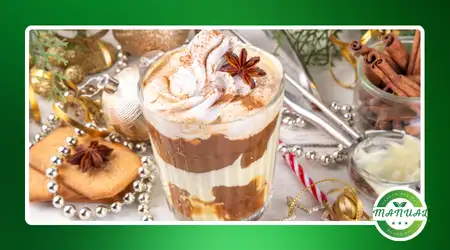
Vanilla is the key ingredient that dictates the recipe's success. Madagascar vanilla beans remain a top choice due to their potent aroma and floral notes that fill the air.
Today, traceability is fundamental. Seeking out producers who respect the fruit's curing time ensures that you are not buying dried-out beans or beans lacking the necessary essential oil.
If you're on a tight budget, pure extract is acceptable, but avoid lab-made flavorings. They have a metallic aftertaste that clashes with the richness of fresh cream.
Store your fava beans in dark glass jars. If any pods remain after scraping out the seeds, soak them in your jar of sugar to create a homemade aromatic infusion.
The quality of the spices is what distinguishes an ordinary pudding from an excellent crème brûlée. It's the difference between a merely sweet dessert and a memorable gastronomic experience.
When should you serve this delicacy to your guests?
This classic dish calls for an occasion where appreciation time is respected. It's the ideal conclusion to dinners that involve intense flavors, acting as a refreshing balm for the palate.
Preparing the bases in advance takes the pressure off the host. Leave the caramelizing until the last minute; the sound of the caramel crackling is the best possible conversation starter.
The structure of Easy homemade crème brûlée It allows for creative flavorings. Infusions of lemongrass or tonka bean shavings can update the flavor profile without losing sight of the French tradition.
Although it looks like a heavy dessert, its density is softened by the cold temperature. It's a sweet treat that satisfies with its aroma and texture, even before it becomes overwhelmingly sweet.
Serving it in shallow, wide dishes maximizes the area for crunchy topping, ensuring that each spoonful of cream comes with a piece of crispy caramel.
What are some common mistakes you should avoid?
Removing the cream while it's still liquid is the mistake that most frustrates beginners. It should be "trembling," but never runny; the refrigerator will do the final work of molecular compaction.
Leaving the blowtorch in one spot is the quickest path to disaster. The sugar burns in seconds, going from golden to charred black, which completely ruins the flavor of the cream.
Forgetting to sift is ignoring the texture. Small pieces of coagulated egg white are noticeable on the tongue and break the silky illusion that the dessert should provide to a discerning palate.
The excessive use of sugar in the coating creates a "shield"-like layer instead of a delicate crust. The pleasure lies in the contrast, not in a mechanical struggle to break the candy.
Finally, rushing to caramelize a cream that hasn't fully cooled will result in a melted top and a warm base, losing the magic of the thermal shock.
+ Banana bread cobbler, a hot dessert with streusel.
Conclusion
Mastering the art of making crème brûlée is, essentially, mastering time and heat. When these elements align, the simplicity of four basic ingredients transforms into something sophisticated and timeless.
Practice leads to the intuition needed to know exactly when the cream has reached its equilibrium point. Don't be afraid to overdo it with the blowtorch the first few times; fine-tuning comes with observation.
We encourage experimentation with vanillas from different origins and even citrus infusions. The technique remains the same, but the flavor landscape can be infinitely expanded according to your personal taste.
To understand the molecular science involved in egg yolk coagulation and caramelization, the portal Science of Cooking It offers technical explanations that enrich the repertoire of any cook.
Your next Easy homemade crème brûlée This will reflect the care you take with each step described here. May the breaking of the first crust be the beginning of a new phase in your journey through classic pastry making.
Frequently Asked Questions (FAQ)
Can I use brown sugar in the frosting?
It's not ideal. Brown sugar burns too quickly and has a natural moisture content that prevents the formation of the crisp, glassy crust typical of the classic French recipe.
The cream developed bubbles on the surface, what happened?
This happens when the egg yolks are beaten too forcefully or when the oven temperature is too high. The trapped air expands and creates porosity on the silky surface.
Why did my caramel soften so quickly?
Humidity is the biggest enemy. If the environment is too humid or if the cream wasn't dried with absorbent paper before adding the sugar, the crust will start to dissolve in minutes.
Can I substitute whole eggs for the yolks?
Absolutely not. Egg whites contain proteins that would make the cream elastic and less rich. The iconic creaminess of this dessert comes exclusively from the fats present in the egg yolks and fresh cream.
What is the best ramekin for baking?
Opt for shallower, wider ceramic molds. They allow for a higher proportion of sugar crust to cream, ensuring the perfect balance in every bite.