
Tanghulu strawberry crunchy: viral internet sweet
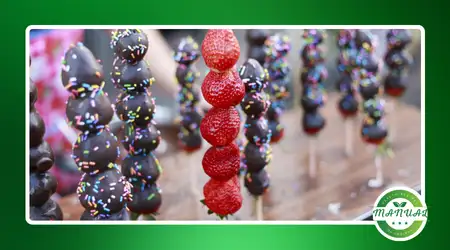
O Tanghulu strawberry crunchy It conquered global social media with its irresistible glassy sheen, transforming a thousand-year-old Chinese tradition into an aesthetic phenomenon of modern cuisine.
Adverts
This delicacy uses a precise caramelization technique to create a thin, crunchy crust that contrasts perfectly with the natural juiciness and balanced acidity of the fruit.
Below, we explore the science behind the perfect syrup, the historical origins of this technique, and the ultimate guide to replicating this flawless sensory experience in your kitchen.
Summary
- The Origin of the Tanghulu Phenomenon
- The Science of Sugar: The Breaking Point
- Recipe: Ingredients and Proportions
- Step by Step Preparation Method
- Table: Nutritional Values and Comparisons
- Tips for Success and FAQs
How did Tanghulu originate and why did it go viral? {#origem}
The Tanghulu, originally called Bing TanghuluIt dates back to the Song Dynasty in China, where it was traditionally made with the fruit of the wild apple tree, known for its digestive properties.
Back then, the sweet treat was sold by street vendors during the harsh winter, as the low temperatures helped keep the sugar coating firm, shiny, and crunchy.
Adverts
Currently, the "glass skin" visual aesthetic and the satisfying sound of the first bite have propelled the treat on TikTok and Instagram, transforming it into a mainstay of culinary ASMR content.
What's the science behind getting the perfect crunchy strawberry Tanghulu? {#ciencia}
Achieving the ideal texture requires rigorous temperature control, as the sugar goes through specific chemical stages until it reaches the so-called "hard crack stage" or breaking point.
At this stage, the sugar concentration reaches approximately 99%, resulting in a coating that does not stick to teeth and breaks instantly when pressed, ensuring professional quality.
What ingredients are needed for the recipe? {#recipe}
To ensure success, select fresh, firm, and completely dry strawberries, as any residual moisture on the surface of the fruit will prevent the caramel from adhering properly, causing premature melting.
- 10 medium-sized strawberries (cleaned and dried).
- 2 cups of granulated sugar (refined sugar also works).
- 1 cup of filtered water.
- Bamboo or wooden skewers.
- Parchment paper for resting.
Avoid overripe strawberries or those with bruised parts, as they release juice quickly. Granulated sugar is preferable for its purity, resulting in a clearer and visually cleaner syrup.
Step by step: how to prepare the Tanghulu strawberry crunchy? {#preparo}
First, wash the strawberries carefully, keeping the leaves on if you prefer a rustic look, but ensuring that each fruit is completely dry using paper towels or a clean cloth.
Firmly skewer each strawberry onto the stick, making sure the tip doesn't pierce the fruit, which would prevent the internal juices from leaking out during the dipping process in the hot syrup.
In a heavy-bottomed saucepan, combine the sugar and water, bringing to a medium heat without stirring after the initial boil, to avoid unwanted crystallization that would ruin the transparency.
Use a cooking thermometer to monitor the temperature until it reaches exactly 150°C, at which point the syrup stops bubbling intensely and takes on a very light amber hue.
If you don't have a thermometer, dip a toothpick into the syrup and immediately into ice water; if the sugar hardens instantly and breaks like glass, the ideal consistency has been reached.
Tilt the pan and quickly swirl the strawberry skewer in the syrup, coating it with a thin, even layer, avoiding excess which would make the dessert difficult to bite or too heavy.
Immediately after the sugar bath, plunge the strawberry into a bowl of ice water for five seconds, a technique that provides the thermal shock necessary for instant crystallization.
Place the skewers on a sheet of parchment paper and let them rest for a few minutes before serving, ensuring the skin is cool to the touch and has a deep shine.
Remember to consume the dessert within one hour at most, as the natural moisture of the strawberry will begin to dissolve the sugar from the inside out, compromising the original crunchy texture.
+ Romeo and Juliet in a glass: guava paste dessert with cream cheese.
Comparative Table: Traditional vs. Modern {#tabela}
Below, we present technical data comparing the classic Chinese version with the modern strawberry adaptation that dominated bakeries and social media around the world in 2026.
| Feature | Classic Tanghulu (Hawthorn) | Strawberry Tanghulu |
| Predominant Flavor | Acidic and Astringent | Sweet and Fruity |
| Crispness Duration | High (dried fruit) | Low (juicy fruit) |
| Syrup Temperature | 150°C – 155°C | 148°C – 150°C |
| Calories (Unit) | ~65 kcal | ~85 kcal |
| Difficulty | Average | Low |
Why did my sugar syrup crystallize?
Crystallization occurs when undissolved sugar crystals on the edges of the pan fall into the mixture, triggering a chain reaction that makes the syrup opaque, grainy, and unsuitable for consumption.
To avoid this common mistake, use a pastry brush moistened with water to clean the sides of the pan while heating, removing any sugar residue that tries to form there.
Another effective trick is to add a tablespoon of corn syrup or a few drops of lemon juice, substances that help stabilize the sucrose molecules, preventing them from clumping together.
+ Neiman Marcus's viral 6-ingredient cake recipe for an irresistible dessert.
What are some of the best fruits to use besides strawberries?
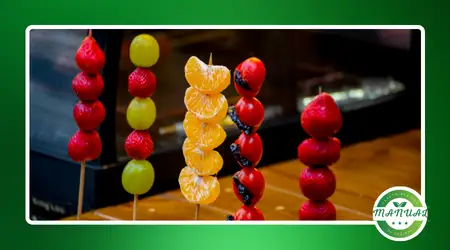
Although strawberries are the most popular, fruits with firm skin or low external moisture work exceptionally well, such as seedless grapes, tangerine segments, kiwi slices, and blueberries.
Avoid excessively soft fruits or those that release a lot of water when cut, such as watermelon or pineapple, unless they are properly sealed, as the water will prevent the caramel from adhering correctly.
The versatility of Tanghulu strawberry crunchy It even allows for variations with extra toppings, such as toasted sesame seeds sprinkled over the hot syrup, adding an extra layer of flavor and texture.
+ Stuffed Chocotone: 3 Innovative Ways to Use This Christmas Classic
Where can I find the best ready-made Tanghulus?
If you prefer not to venture into the kitchen, large urban centers and Asian neighborhoods like Liberdade in São Paulo offer authentic versions prepared by experts who have mastered the ancient technique.
In 2026, several specialized "Tanghulu Shops" emerged in shopping malls, focused on visual experience and freshness, ensuring that the customer receives the treat immediately after the thermal shock in ice water.
For those seeking high-quality visual references and specific places to shop, the official guide of Visit China It offers gastronomic itineraries that include the historical roots of this dessert.
Conclusion
The success of this dessert lies in the simplicity of its ingredients and the complexity of its preparation, requiring patience and precision to transform sugar and fruit into a true work of art.
Understanding the chemistry of the breaking point is what differentiates a sticky candy from a dessert that offers a unique auditory and gustatory experience, worthy of a pastry chef.
By following the techniques for temperature control and fruit drying, you will be able to create the perfect viral dessert, delighting guests and guaranteeing flawless photos for your social media.
FAQ: Frequently Asked Questions
Can I store Tanghulu in the refrigerator to eat later?
It is not recommended, as the humidity in the refrigerator will cause the sugar to melt quickly. Ideally, it should be prepared and consumed immediately or within 60 minutes of preparation.
Can I use brown sugar to make the syrup?
Brown sugar contains many impurities and moisture, which makes it difficult to achieve the hard crack point. For professional and transparent results, always use good quality granulated or refined sugar.
Why did my Tanghulu get stuck to my teeth?
This happens when the syrup hasn't reached the required 150°C. If the syrup is removed from the heat too early, it remains in the "soft ball" stage, resulting in a sticky texture.
Is it dangerous to handle hot syrup?
Yes, sugar at 150°C causes severe burns. Keep children away from the stove, use long-handled utensils, and always have a bowl of ice water nearby for emergencies.