
Basque creamy burnt cheese cake that went viral on the internet.
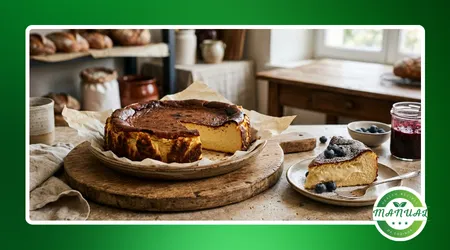
O Basque burnt cheese cake It conquered social media in 2026 with its rustic appearance and unparalleled texture, proving that culinary perfection lies in the balance between bitterness and sweetness.
Adverts
In this comprehensive guide, we'll explore the science behind surface caramelization and how to achieve the ideal creamy center. You'll learn the original technique from the Spanish region to elevate your pastry-making.
Below, we present a detailed summary of this article to facilitate your navigation. Get ready to master the recipe that has transformed the concept of modern dessert with sophistication, technique, and carefully selected high-quality ingredients.
Summary
- The origin and science of caramelization.
- Nutritional table and yield
- Recipe: Ingredients and preparation method
- How to achieve the perfect creaminess in the center?
- What is the difference between traditional cheesecake and Basque cheesecake?
- FAQ and Conclusion
The origin and science of caramelization.
Unlike traditional cheesecakes, this delicacy originated at the La Viña restaurant in San Sebastián. The secret to its success lies in the Maillard reaction, which occurs at high oven temperatures.
The high temperature creates a dark, flavorful crust, while the interior remains almost liquid. This technique requires precise cooking time so that the heat does not harden the egg proteins excessively.
Adverts
In 2026, renowned chefs use cheeses with a higher fat content to intensify the flavor. The simplicity of the ingredients contrasts with the sensory complexity, making the... Basque burnt cheese cake A global gastronomic icon.
Technical Information Table (100g Serving Size)
| Component | Average Quantity | Technical Reference |
| Calories | 340 kcal | Whole creamy cheese base |
| Proteins | 6g | Free-range eggs and dairy products |
| Total Fats | 28g | Fresh cream (35% fat) |
| Carbohydrates | 18g | Refined sugar and flour |
| Baking Time | 30-35 min | Temperature of 210°C |
Recipe: Ingredients and Preparation Method
To ensure authenticity, use ingredients at room temperature. Mix 600g of cream cheese with 180g of sugar until smooth. Add four large eggs, one at a time, beating lightly.
Incorporate 300ml of fresh cream and a pinch of sea salt. Sift 15g of wheat flour over the mixture. Using damp parchment paper in the mold is essential for the rustic aesthetic.
Bake in a preheated oven at 210°C for about 35 minutes. The surface should be very dark, almost black, but the center should still jiggle like jelly when gently moved.
Allow to cool completely before unmolding to stabilize the internal structure. This resting period is crucial for the flavors to develop. Basque burnt cheese cake It should preferably be served at room temperature.
How do I adapt the recipe for different pan sizes?
If you opt for a smaller, taller pan, the baking time will need to be adjusted. Tall pans retain the liquid in the center for longer, requiring constant monitoring to prevent overcooking.
For larger events, doubling the recipe requires extra attention to air circulation inside your oven. Avoid baking two pans simultaneously if your oven does not have an efficient and modern convection system.
Always maintain the golden ratio between the volume of eggs and the amount of fat in the cheese. This mathematical precision ensures that, regardless of the diameter, the sensory experience of creaminess remains identical and satisfying.
+ Chocolate cake with brewed coffee: why coffee enhances the flavor of cocoa.
The importance of resting before consumption.
Resisting the temptation to cut the cake while it's still hot is the greatest test of a cook's patience. Slow cooling allows the fats to rearrange themselves, creating the correct density for a clean cut.
Ideally, let the dessert rest at room temperature for four hours before the first slice. During this time, the flavors of the eggs and cheese blend, eliminating any unwanted aftertaste.
Many enthusiasts prefer to consume it after a full night of controlled rest in a cool place. Basque burnt cheese cake It reaches its peak flavor when the caramel aromas penetrate deep into the creamy texture.
How to achieve the perfect creaminess in the center?
The biggest challenge with this recipe is timing. If you overbake it, you'll lose its characteristic "velvety" texture. The ideal point is when the cake appears to be undercooked in the middle.
Use a kitchen thermometer for greater technical accuracy. The internal temperature should reach approximately 65°C. At this stage, the proteins are coagulated, but moisture remains preserved in the core of the dough.
Many bakers make the mistake of using high-speed mixers. This incorporates too much air, causing the cake to rise and fall abruptly. Opt instead for a hand-held wire whisk to maintain a dense batter.
The choice of cheese also directly influences its fluidity. Cheeses with excessive stabilizers can result in a rubbery texture. Prioritize brands that list few ingredients on the label to ensure the purity of the flavor.
Remember that the Basque burnt cheese cake It continues cooking with the residual heat after being removed from the oven. Therefore, removing it early is the secret of great experts to guarantee melt-in-your-mouth texture.
+ Savory vegetable pie with yogurt crust
What is the difference between traditional cheesecake and Basque cheesecake?
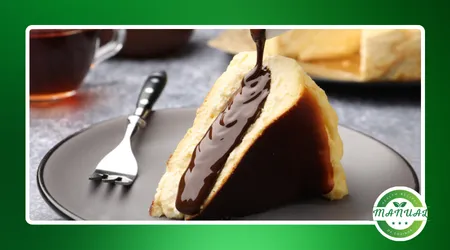
The main distinction lies in the absence of a crisp biscuit base. While the New York Style focuses on uniformity and whiteness, the Basque version celebrates imperfection, fire, and intensity.
Classic cheesecake typically uses a water bath to prevent cracking and maintain a light color. The Spanish version, however, ignores these rules, opting instead for direct thermal shock to intentionally brown the top.
In terms of flavor, Basque is less sweet and more aromatic. The burnt sugar on top offers notes of bitter caramel that balance the cheese's fat, creating a much deeper taste experience.
Furthermore, the physical structure is distinct. The traditional one is firm and structured throughout. The Basque one has firm edges, but a melting center, almost like a giant cheese "petit gâteau".
This technical differentiation is what makes it so appealing to the modern audience. Basque burnt cheese cake It represents a paradigm shift in classic pastry making, valuing natural processes and honest flavors.
Why did this dessert go viral in 2026?
The "Instagrammable" visual aesthetic played a key role, but the ease of preparation sealed its place on menus. It's a recipe that forgives aesthetic errors, transforming them into features of rustic charm.
Today's consumers seek authentic and less artificial sensory experiences. The instantly melting texture and the visual contrast between burnt and creamy textures meet this demand for novelty and immediate pleasure.
The versatility of accompaniments also scores points. It can be served with a glass of dessert wine or tart red berries, adapting to different palates and occasions, from brunches to sophisticated dinners.
+ English cake with candied fruit for Christmas
Frequently Asked Questions (FAQ)
Can I replace refined sugar with sweeteners?
Yes, but the caramelization will be different. Use substitutes that can withstand high temperatures, such as erythritol, keeping in mind that the characteristic dark color may not reach the same intense shade as regular sugar.
What is the best type of baking pan?
It is recommended to use springform pans. They make it easier to remove the cake without damaging the delicate edges. Always line with two layers of parchment paper to prevent any possible batter leaks.
How long does it last in the refrigerator?
The cake will stay fresh for up to five days if stored properly. However, we recommend removing it from the refrigerator at least one hour before serving. This ensures that the fat softens and the creaminess returns.
Is it possible to freeze a baked cake?
We do not recommend freezing, as the cheese structure may separate upon thawing. The velvety texture, which is the great distinguishing feature of this dessert, ends up being compromised by the crystallization of internal water.
Conclusion
Mastering the art of burnt cheesecake means understanding that cooking can be both intuitive and technical. This recipe proves that simple ingredients, when treated with respect for temperature, create extraordinary results.
By following the steps described, you will deliver a professional-level dessert. Pay attention to each step, from choosing the cream cheese to the mandatory resting period, thus guaranteeing total success with your guests or clients.
Gastronomy is constantly evolving, combining tradition and modernity.
To continue exploring international food safety guidelines and quality standards in dairy products, consult the updated information from [source/source]. Food and Agriculture Organization of the United Nations (FAO), which monitors global production.