Snacks for work: practical, nutritious and tasty options
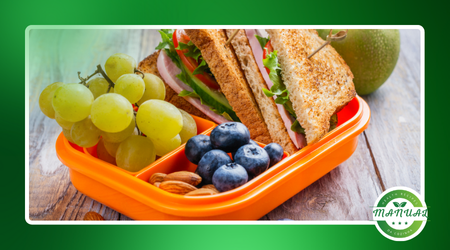
To take snacks for work has gone from being just a convenience to becoming a smart occupational health strategy.
Adverts
In recent years, concerns about healthy eating in the corporate environment have gained prominence, especially after the pandemic.
Many professionals have realized that poor food choices directly impact their productivity and well-being.
A recent survey by ABIMAPI (2024) showed that 67% of Brazilians who eat a balanced diet during work hours report greater energy and less tiredness in the afternoon.
This data reveals the power of a simple change in habits.
Adverts
But how can we combine nutrition, flavor and practicality? The answer lies in planning and creativity.
In this guide, we will explore everything from classic combinations to emerging trends in functional food, always focusing on options that adapt to the fast-paced routine of modern professionals.
1. The Importance of Well-Planned Snacks
The rush of everyday professional life often leads to unhealthy food choices.
Many people turn to fast food or snack on whatever they find, without considering the nutritional value.
This seemingly harmless practice has significant consequences for health and work performance.
Research from Harvard Business Review (2025) shows that professionals who eat poorly during work hours can experience a drop of up to 20% in their productivity.
This is because our brain requires specific nutrients to function properly.
Good fats, quality proteins and complex carbohydrates are essential to maintain concentration and avoid mental fatigue.
In addition to the cognitive benefits, investing in healthy snacks brings financial benefits.
Comparing the daily cost of delivery (on average R$25) with homemade options (around R$10), the monthly savings can exceed R$300.
A significant amount that could be invested in other areas of life.
2. Characteristics of Ideal Snacks
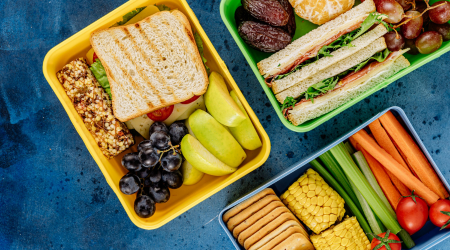
A perfect work snack must have three fundamental qualities: nutritional value, practicality and durability.
The combination of these factors ensures that the meal is truly functional and meets the needs of the modern professional.
Read more: Basic Kitchen Cutting Techniques: Master this skill.
In terms of nutrition, it is important to prioritize foods that offer sustainable energy.
Lean proteins, unsaturated fats and fiber are essential components, as they promote prolonged satiety and prevent glycemic peaks.
Nuts, boiled eggs and natural yogurts are excellent examples in this category.
Practicality involves both preparation and consumption.
Snacks that require a lot of utensils or are difficult to eat can become inconvenient in the workplace.
Therefore, well-structured sandwiches, whole fruits or a mix of nuts are more suitable options for the corporate routine.
Durability is especially important for those who don’t have access to refrigerators in the workplace.
Foods that maintain their properties at room temperature for several hours are ideal.
++6 Italian Recipes That Will Take You Straight to Tuscany
Fruits with a more resistant skin, such as apples and pears, or homemade dehydrated snacks are good alternatives in this regard.
3. Snack Options for Different Profiles
Professionals with different routines and needs can benefit from personalized approaches when choosing their snacks.
Knowing these variations allows you to create more efficient combinations for each situation.
For those who have days full of meetings and need constant energy, snacks rich in proteins and good fats are the best option.
A shredded chicken and avocado wrap or a serving of almonds with dried apricots provide nutrients that are absorbed gradually, keeping energy levels stable for longer.
For professionals who practice physical activities after work, the ideal combination includes complex carbohydrates and fast-absorbing proteins.
A banana with peanut butter or a whole-grain turkey sandwich are excellent pre-workout options that are easy to carry around.
Those who work in environments without access to cooling need to be especially creative.
In this case, foods like cherry tomatoes, baby carrots, and more mature cheeses (like Parmesan) are safe choices that will hold up well outside the refrigerator for a few hours.
4. Strategies for Maintaining Variety (snacks for work)
One of the biggest challenges when preparing snacks for work is avoiding food monotony.
Always eating the same combinations can lead to disinterest and, consequently, a decrease in adherence to healthy habits.
+Gluten-free side dishes for all occasions
An effective strategy is to create a rotation system of main ingredients.
For example, alternating between different protein sources (chicken, eggs, cheese, chickpeas) throughout the week provides significant variety without requiring much additional preparation effort.
Another interesting approach is to work with culinary themes by day of the week.
Mondays could be dedicated to Mediterranean flavors, with olives and feta cheese, while Wednesdays could feature Asian influences, like edamame and roasted seaweed.
This organization makes planning easier and the experience more interesting.
The presentation also influences the perception of the snack.
Even similar ingredients can look different when arranged in different ways.
The same mix of vegetables can be served on sticks one day and in slices the next, creating a sense of novelty without requiring new ingredients.
5. Solutions to Common Challenges (work snacks)
Even with the best intentions, there can be obstacles when preparing and transporting healthy snacks.
Knowing practical solutions to these problems makes all the difference in maintaining good habits.
A common challenge is sandwiches and wraps becoming soggy. To prevent this, it’s a good idea to create a moisture barrier between the bread and the moister ingredients.
Spreads like hummus or cream cheese work well in this role, as well as adding flavor and nutrients to the preparation.
Lack of time for daily preparation is another common difficulty. The solution lies in meal prep – dedicating a few hours on the weekend to preparing ingredients in advance.
Cooking proteins, washing and chopping vegetables, and assembling individual portions of dry snacks saves valuable time throughout the week.
For those who don't have access to a refrigerator at work, choosing suitable containers is crucial.
Thermal lunch boxes with gel packs maintain the temperature for hours, while airtight containers prevent leaks and mixing of aromas. These small details make a big difference in the final experience.
Conclusion
Incorporate snacks for work Healthy habits in your professional routine are an investment with a guaranteed return in productivity, health and well-being.
As we have seen, it is not just about replacing processed foods with natural options, but about developing a strategic approach that considers individual needs, practical constraints and personal preferences.
The secret to success lies in a combination of planning and flexibility. Start with small changes, experiment with new combinations, and see how your body and mind respond.
Little by little, you will develop a repertoire of snacks that fit perfectly into your routine and meet your nutritional needs.
Remember: every meal is an opportunity to nourish not only your body, but also your work capacity and creativity.
With the strategies presented in this guide, you are equipped to transform your snacks into powerful allies for your professional performance.
Frequently Asked Questions
What is the best way to transport yogurt without a refrigerator?
The ideal is to use a thermal bag with a gel pack, which maintains the temperature for up to 4 hours. Individual thermal containers are also a good option.
How to prevent fruit from darkening after cutting?
Dripping a few drops of lemon juice on cut fruit slows down the oxidation process. For apples, holding the slices together with a rubber band also helps.
What snacks are best for those who work night shifts?
Options with lean proteins and complex carbohydrates help maintain energy. Examples: whole-wheat sandwich with chicken, or yogurt with granola and fruit.
Is it possible to prepare healthy snacks in a short time?
Yes! Many options require less than 5 minutes: trail mix, fruit with peanut butter or vegetable sticks with hummus are practical examples.
How to store snacks for several days?
Most dried snacks will last up to 3 days in airtight containers. For perishable options, freezing is an efficient alternative.