Spaghetti with pumpkin and ginger sauce
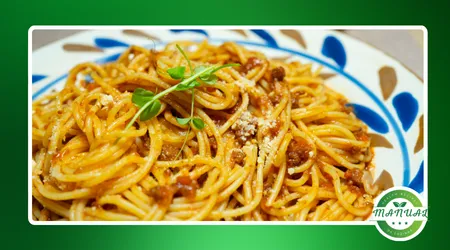
O spaghetti with pumpkin and ginger sauce It represents a gastronomic evolution that combines the comfort of traditional pasta with the thermogenic freshness of functional and modern ingredients.
Adverts
In this guide, we'll explore how this flavor combination perfectly balances the natural sweetness of kabocha squash with the spicy and refreshing touch that only fresh ginger offers.
Below, we present a complete guide for you to master this recipe, covering everything from ingredient selection to the nutritional properties that make this dish an absolute success.
Summary
- Why does ginger transform pumpkin sauce?
- How to choose the ideal pumpkin for a velvety texture?
- Step by step: The technique for the perfect sauce.
- Nutritional benefits of this combination in 2026.
- FAQ: Frequently Asked Questions.
Why is spaghetti with pumpkin and ginger sauce trending?
The pursuit of mindful eating in 2026 prioritizes ingredients that promote well-being without sacrificing taste, elevating the status of simple recipes to complex sensory experiences.
Ginger acts as a natural flavor enhancer, reducing the need for excessive sodium, while pumpkin provides a creamy base rich in fiber and essential beta-carotene.
Adverts
When preparing the spaghetti with pumpkin and ginger sauceThis creates a synergy between balanced-absorbing carbohydrates and anti-inflammatory compounds, ideal for those seeking performance and longevity.
How do you select the best ingredients for your dough?
To guarantee quality, opt for kabocha squash (Japanese variety), as its low water content results in a much denser, shinier, and more concentrated cream for your dish.
The ginger should be firm and have a smooth peel, indicating that the rhizome retains all the essential oils responsible for the citrus aroma that cuts through the density of the Italian pasta.
Using durum wheat spaghetti is essential to maintain the structure. al dente, supporting the weight of the sauce without the dough breaking or losing its characteristic texture.
+ Penne pasta with creamy four-cheese sauce
What are the nutritional benefits of this recipe in 2026?
Current nutritional science highlights the importance of foods that support the gut microbiota, where pumpkin shines as an excellent natural prebiotic, feeding the beneficial bacteria in our bodies.
Ginger, in turn, contains gingerol, a bioactive compound that speeds up metabolism and aids in the digestion of complex carbohydrates, making the meal light and highly energizing for the day.
See the table below for a technical nutritional comparison between traditional cheese sauce (Alfredo) and our contemporary version based on fresh vegetables and functional spices.
Nutritional Comparison per Serving (200g)
| Component | Alfredo Sauce (Traditional) | Pumpkin and Ginger Sauce | Main Benefit |
| Calories | 450 kcal | 180 kcal | Weight control |
| Saturated Fats | 28g | 2g | Cardiovascular Health |
| Fibers | 1g | 6g | Prolonged Satiety |
| Vitamins | A, D | A, C, E | Enhanced Immunity |
What is the correct technique for preparing the sauce?
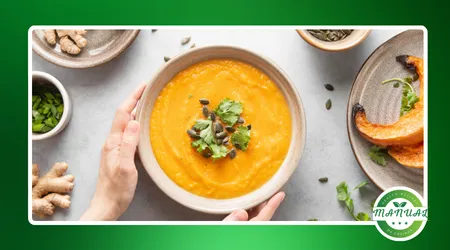
The secret of spaghetti with pumpkin and ginger sauce The secret lies in pre-caramelizing the pumpkin in the oven with sage, which intensifies the natural sugars and removes excess moisture.
After roasting, process the pulp with a touch of coconut milk or homemade vegetable broth, adding the grated ginger only at the end to preserve its volatile aromatic potency.
Keep the pasta cooking water; it contains precious starch which, when mixed with the pumpkin cream, creates a perfect emulsion that adheres perfectly to the strands of long spaghetti.
+ Pumpkin gnocchi recipe with butter and sage sauce.
How can this dish be paired with side dishes and drinks?
To elevate the gastronomic experience, finish the dish with toasted pumpkin seeds and a drizzle of early-harvest extra virgin olive oil, providing a necessary crunch to complement the creaminess.
In the realm of beverages, a white wine made from the Riesling grape variety or an iced green tea with lemon masterfully complements the spiciness of the ginger and the earthy sweetness of the pumpkin.
If you wish to add protein, sautéed Paris mushrooms with garlic or cubes of smoked tofu integrate perfectly into the flavor profile, respecting the proposal of a modern and ethical cuisine.
To learn more about the botanical classification of pumpkins and their culinary applications, consult the website of... Embrapa Vegetables, a global benchmark in food safety.
When should you serve spaghetti with pumpkin and ginger sauce?
This recipe is extremely versatile, working as a comforting dinner on cold winter nights or as a revitalizing lunch after intense physical activity, given its nutrient density.
The vibrant orange color makes the dish visually striking for social gatherings, demonstrating that plant-based cuisine can be sophisticated, elegant, and extremely flavorful for guests.
By offering the spaghetti with pumpkin and ginger sauceBy doing so, you communicate a lifestyle that values the origin of food and the pleasure of cooking with ingredients in their whole state.
+ How to Make Perfect Garlic and Oil Pasta Without Sticking
Where can I find the best organic ingredients?
Prioritize farmers' markets and agricultural cooperatives, where the freshness of the pumpkin is guaranteed and the ginger has not undergone prolonged storage processes that reduce its medicinal and sensory properties.
Organic ingredients have a higher concentration of minerals and fewer chemical residues, which directly reflects the purity of the final flavor and the food safety of those who consume the product.
Always check for seasonality; although available year-round, pumpkins harvested in the fall tend to be sweeter and less fibrous, ideal for the silky texture required in this special sauce.
With pleasure! So that your spaghetti with pumpkin and ginger sauce To achieve the level of gastronomic excellence mentioned in the previous guide, the preparation technique is fundamental. The secret lies in roasting the pumpkin to concentrate the sugars and using fresh ginger for a vibrant contrast.
Here is the technical recipe, balanced enough to serve four people with sophistication and health benefits.
Selected Ingredients
- Pasta: 500g of durum wheat (or whole wheat) spaghetti.
- Sauce Base: 800g of kabocha squash (weighed with peel).
- Aromatic: 1 tablespoon of freshly grated ginger.
- Fat: 3 tablespoons of extra virgin olive oil.
- Emulsion Liquid: 200ml of homemade coconut milk (or water from cooking the dough).
- Seasoning: Sea salt, freshly ground black pepper, and 4 fresh sage leaves.
- Finalization: Toasted pumpkin seeds and lemon zest.
Step by Step Preparation Method
1. Caramelizing Pumpkin
Cut the pumpkin into thick slices (keep the skin on for baking, as it comes off easily afterwards). Arrange them on a baking sheet, drizzle with olive oil, and top with sage leaves.
Place in a preheated oven at 200°C for about 30 to 40 minutes, or until the pulp is completely soft and lightly golden at the edges.
2. Creation of the Velvety Cream
Remove the skin from the roasted pumpkin and place the pulp in a blender or food processor. Add the coconut milk (or vegetable broth) and process until you obtain a very smooth puree.
If it's too thick, add a little more liquid. Master tip: Do not add the ginger yet, as this may cause it to become bitter due to the excessive heat during processing.
3. Cooking the Pasta
In a large pot of boiling salted water (the water should taste of the sea), cook the spaghetti until al dente. al dente.
Before draining, reserve a cup of the cooking water — it's rich in starch and will help the sauce adhere better.
4. Ginger Infusion and Finishing Touches
In a large skillet or wide-bottomed pan, heat the olive oil and lightly sauté the grated ginger for just 30 seconds (do not let it brown too much to avoid losing its citrusy freshness).
Pour the pumpkin cream into the pan and mix well.
Add the spaghetti directly to the sauce. If necessary, gradually add the reserved cooking water, stirring constantly in circular motions to emulsify.
The result should be a glossy cake, completely enveloped in a vibrant orange cream.
Plating
Serve immediately in warmed deep bowls. Finish with a generous portion of toasted pumpkin seeds for crunch and lemon zest to enhance the ginger notes.
Conclusion: The future of gastronomy on your plate.
Integrating functional ingredients into classic Italian dishes is not just an aesthetic choice, but a commitment to health and sustainability in the gastronomic landscape of 2026.
O spaghetti with pumpkin and ginger sauce This proves that it's possible to combine low calories, high biological value, and gastronomic pleasure worthy of the best international restaurants in your own kitchen.
Try this recipe today and discover how the simplicity of good ingredients, when prepared with care and technique, can revolutionize your perception of healthy and nutritious pasta.
FAQ – Frequently Asked Questions
Can I freeze pumpkin and ginger sauce?
Yes, the sauce keeps perfectly for up to 90 days in the freezer. It is only recommended to reheat it over low heat, adding a little water to restore its original texture and shine.
What is the best type of spaghetti for this recipe?
Whole wheat or chickpea spaghetti are excellent options. They add an almond note that pairs very well with ginger, and they also have a significantly lower glycemic index.
How can I prevent ginger from being too strong?
Finely grate the ginger and add it gradually. The heat of the sauce enhances the flavor; start with a teaspoon and adjust to your taste, always aiming for a balance with the pumpkin.
Can I substitute kabocha squash?
You can use butternut squash, but be aware that it is more moist. In that case, bake it for longer to concentrate the flavor and prevent the sauce from becoming too thin in the dish.
Is this dish suitable for vegan diets?
Absolutely. This recipe is naturally vegan, as long as you use an egg-free dough. The creaminess comes from the pumpkin pulp itself, completely eliminating the need for dairy-based creams.