
Roasted tomato paste and restaurant-style burrata
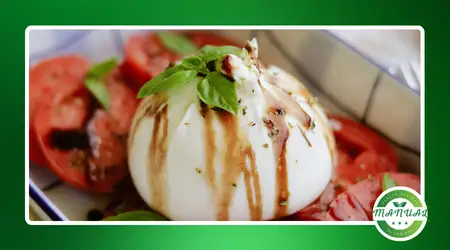
A roasted tomato paste and burrata It is, in fact, a lesson on thermal patience and the search for umami lost in the daily grind of hurried kitchens.
Adverts
In 2026, blog gastronomy finally abandoned excessive artifice to focus on what really matters: the chemical transformation that occurs when the natural sugar in tomatoes encounters the dry heat of the oven.
This is not just a recipe, but an exercise in contrast. The clash between the almost burnt tomato skin—gaining that deep, almost metallic sweetness—and the icy heart of a burrata that crumbles at the touch of a fork creates a dynamic that is often lacking in conventional pasta dishes.
This guide was designed for those who are tired of the obvious. Browse the summary below and understand why the secret to a restaurant-worthy dish lies not in the number of ingredients, but in the precision with which you treat each one before it reaches the table.
Summary
- The Alchemy of Caramelization
- What separates the amateur from the professional in the choice of supplies?
- Balance: The tug-of-war between acidity and fat.
- Table: The behavior of tomatoes under pressure
- Recipe and preparation method
- Mantecatura: Where the magic of emulsion happens
- Direct answers for restless cooks
The Alchemy of Caramelization
To master the roasted tomato paste and burrataForget the idea that the oven only heats food; it's a reactor. When cherry tomatoes are subjected to 200°C, the Maillard reaction occurs, where proteins and sugars rearrange themselves to create complex flavors that cooking in water could never achieve.
Adverts
There's something almost magnetic about watching tomatoes wilt and release their juices, which mix with the olive oil to create a kind of natural syrup. Use an early-harvest extra virgin olive oil to ensure that the herbaceous freshness survives the intense heat, protecting the aromatic herbs from becoming just bitter ashes at the bottom of the baking pan.
High-end cuisine demands this respect for time. Tomatoes need space; if you pile them up, they will steam instead of roasting, ruining the concentration of lycopene we seek for a sauce with vibrant color and concentrated flavor.
What separates the amateur from the professional in the choice of supplies?
The execution of a roasted tomato paste and burrata Impeccable dough starts on the supermarket shelf, and the most common mistake here is underestimating its structure.
Avoid options that seem too polished; opt for masses of durum wheat Bronze wire tubes, which have a porous surface, are essential for "holding" the sauce.
Formats such as rigatoni or the fusilli bucati They function like small reservoirs. They capture the tomato pulp that has broken down in the oven, ensuring that each bite carries the same intensity of flavor, without leaving the sauce sadly accumulated at the bottom of the ceramic plate.
Burrata, on the other hand, has a pitfall: temperature. If you take it out of the refrigerator and place it directly on the dough, the center will be too cold, creating a flavor barrier.
Ideally, let it reach room temperature, allowing it to... stracciatella The inner surface flows like velvet over the warm wheat.
Don't ignore the garlic. Roasting it with the peel on is a chef's trick that transforms a strong spice into a sweet and unctuous paste.
This garlic puree, when squeezed over the final dough, imparts a depth of flavor that most people can't quite identify, but miss when it's absent.
+ Creamy roasted garlic and Parmesan pasta for a special dinner.
Balance: The tug-of-war between acidity and fat.
The success of roasted tomato paste and burrata It depends on how you manage the conflict between the sharp acidity of the tomato and the heavy fat of the burrata cream.
It's a sensory dance where neither side should win by knockout, but rather coexist in a pleasant tension.
Often, what's missing is a finishing touch. A subtle hint of lemon zest or even a pinch of fleur de sel at the end can "awaken" the flavors that have been dulled by the cheese's richness. It's the detail that makes the guest ask what's so special about the dish.
The cooking water is your most precious asset. Rich in starch, it's the amalgam that transforms the fragrant oil and tomato juice into a genuine emulsion.
Without it, you'll just have dough with oil on top; with it, you'll have a professional sauce that adheres perfectly.
Avoid the cliché of using commercially produced creams to "add body." True creaminess should come from technique and the quality of fresh dairy products.
You can consult purity standards on portals such as... Brazilian Gastronomy Association to understand how to select products that do not contain artificial thickeners in their composition.
What is the real impact of temperature on the assembled dish?
Managing heat in roasted tomato paste and burrata That's what separates a home-cooked meal from a bistro experience.
Cheese is extremely delicate; if you stir it vigorously in a hot pan, it will lose its structure, turning into rubbery strands that don't enhance the recipe.
The burrata should be the crown jewel of the dish. Place it in the center and let the residual heat of the cheese gently warm the base, preserving the freshness of the surface. This thermal contrast in the mouth is what makes the experience memorable and sophisticated.
Cold dishes are the silent enemy of olive oil-based pastas. Always warm the serving dish. Pasta that cools too quickly causes the fat from the cheese and olive oil to separate, destroying the velvety emulsion you took so long to build in the kitchen.
+ Spaghetti with pumpkin and ginger sauce
Table: The behavior of tomatoes under pressure
| Variety | Brix Index (Sugar) | Oven Reaction | Sensory Profile |
| Cherry | High | It bursts quickly. | Explosive sweetness and delicate skin |
| Grape | Very High | Keep in shape | Intense and dense caramelization. |
| Italian (San Marzano) | Moderate | Breaks down into pulp | Classic base, with noticeable acidity. |
| Dutch (Rama) | Balanced | Slow water loss | Herbaceous aroma and succulence |
So that your roasted tomato paste and burrata Move from concept to reality and achieve the restaurant standard we discussed; execution needs to be both technical and fluid. The secret lies not in complexity, but in... timing between the oven and the pan.
Ingredients (Serves 2)
- Pasta: 250g rigatoni, bucati fusilli or penne durum wheat.
- Tomatoes: 500g of cherry tomatoes or grape (Mixing varieties adds more complexity).
- Dairy products: 1 large burrata (approx. 200g) at room temperature and 50g of finely grated Parmesan cheese.
- Aromatics: 4 cloves of garlic with the peel on, 3 sprigs of thyme, 1 sprig of rosemary, and fresh basil leaves.
- Fat and Seasoning: 60ml of extra virgin olive oil, sea salt and freshly ground black pepper.
Method of preparation
1. The Flavor Base (The Roast)
Preheat the oven to 200°CIn a baking dish large enough so that the tomatoes are not piled on top of each other, place the cleaned tomatoes, the whole garlic cloves (with skin on), and the herbs (thyme and rosemary). Drizzle generously with olive oil and season with salt and pepper.
Bake for 25 to 30 minutes, or until the tomatoes are wilted, lightly toasted, and have released their natural juices.
2. The Dough Point
While the tomatoes are finishing cooking, cook the pasta in plenty of salted water. Attention: remove the dough 2 minutes before the time indicated on the packaging (very al denteBefore draining, be sure to set aside. 200ml of the cooking water.
3. Garlic Extraction
Remove the baking dish from the oven. Carefully take the roasted garlic cloves, peel them (they will be like a paste), and mash them directly into the bottom of the baking dish, mixing them with the olive oil and tomato juice. Discard the thyme and rosemary sprigs, which have already served their aromatic purpose.
4. The Mantecatura (The Union)
Place the drained pasta directly into the baking dish (or transfer everything to a wide skillet over low heat).
Add half of the reserved cooking water and the grated Parmesan cheese. Stir vigorously in a circular motion.
The starch from the water, the cheese, and the oil from the tomatoes will create a creamy, glossy sauce that clings to the pasta. If necessary, add more water little by little until you reach the desired consistency.
5. Finalization and Service
Transfer the dough to the (previously heated) plates. Place the whole burrata in the center or divide it among the plates, breaking the outer film with your hands or a knife so that the creamy filling spreads.
Finish with freshly torn basil leaves, a drizzle of fresh olive oil, and a final sprinkle of black pepper.
Chef's Tip: Don't skimp on the cooking water. It's the difference between dry pasta and a healthy one. roasted tomato paste and burrata with that velvety sauce you find in the best modern Italian trattorias.
How to identify the perfect burrata?
In the search for the ingredients of your roasted tomato paste and burrataValidity is only half the story.
A burrata that has spent too much time in whey begins to develop a hardened outer film, which impairs the fluidity necessary for the dish to function as a harmonious whole.
When you touch the packaging, it should feel like a delicate water balloon. If the cheese feels excessively firm, the cream inside has probably already started to separate or coagulate.
Freshness is non-negotiable here; it's the heart of this pasta dish's identity.
The whey should be clear, almost like pure water with a hint of milk. If it is yellowish or has an excessively acidic smell, the cheese has already begun an undesirable fermentation process that will clash with the sweetness of the roasted tomatoes instead of complementing it smoothly.
The hierarchy of herbs in the final aroma.
The aromatic construction of roasted tomato paste and burrata It requires you to understand when each herb should come into play.
Thyme and rosemary are "hardy herbs"; they need the heat of the oven to release their oils and infuse the olive oil that coats the tomatoes.
Basil, on the other hand, is a "shining herb." If you put it in the oven, it will come out black and lifeless. It belongs at the final stage, when the heat of the dough is just enough to release its aroma without destroying its emerald green color, keeping the dish visually fresh.
Try using fresh chili peppers like the dedo-de-moça variety, but handle them with care. If roasted whole alongside the tomatoes, they provide a subtle warmth, a spicy note that "cleanses" the palate between bites of creamy cheese, making the meal less tiring and much more interesting.
Mantecatura: Where the magic of emulsion happens
The most common failure in roasted tomato paste and burrata It's the fear of finishing the dough inside the heat source.
The Italian concept of mantecatura It's what creates that sauce texture that seems to envelop the pasta like silk, instead of just running down the sides.
Transfer the dough to the skillet or baking pan two minutes before the ideal cooking time. There, with the concentrated tomato juices and the starch from the reserved water, you finish the process. It is in this movement that the wheat and the vegetable become a single entity.
Add a handful of freshly grated Parmesan cheese while stirring. The cheese helps stabilize the emulsion, creating a bond that holds all the elements together.
The result is a characteristic shine that you only find in dishes executed with technical precision and attention to detail.
+ Conchiglione stuffed with cod in garlic cream sauce: sophisticated pasta for Christmas dinner.
The art of simplicity executed with rigor.
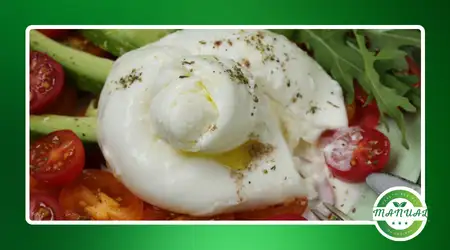
Make a roasted tomato paste and burrata What's unforgettable is understanding that cooking is, ultimately, about controlling variables. The luxury here doesn't come from expensive or rare ingredients, but from the precise execution of simple processes that are often overlooked.
This dish is a celebration of seasonality and honesty. When you get the caramelization of the tomatoes just right and respect the temperature of the cheese, you deliver more than just a meal; you deliver a textural experience that ranges from the crunch of roasted garlic to the fluidity of fresh cream.
This technical yet accessible approach is what defines the gastronomy of 2026: less ego, more technique, and an absolute focus on the quality of what reaches the diner's fork.
It is the triumph of the ingredient over artifice, where simplicity shines through an almost scientific rigor.
To fully understand the historical protection of this dairy product and why its origin matters so much, it's worth exploring the collection of... Consorzio Tutela Burrata di Andria, where Italian tradition is preserved against mass industrialization.
FAQ: Straightforward answers for inquisitive cooks
Can I use regular mozzarella if I can't find burrata?
You can, but be aware that you'll be trading a dish with fluid textures for one with elastic textures. Mozzarella doesn't have the creamy core necessary to create the sauce that defines the dish. roasted tomato paste and burrata.
Why aren't my tomatoes caramelizing?
The oven is probably too cold or the baking tray is overcrowded. Tomatoes need intense heat and air circulation so that the water evaporates and the sugars begin to caramelize slightly, creating their characteristic flavor.
What is the fatal mistake when cooking pasta?
Drain all the cooking water. Without this starch-rich liquid, your pasta will be dry and the ingredients won't bind together. It's the water that transforms the olive oil and tomato juice into a professional sauce.
How can you tell if burrata is spoiled?
If the outer rind is too hard or the liquid inside has a bitter, metallic taste, the cheese is past its prime. Burrata should have a purely milky taste, reminiscent of fresh milk and quality cream.
Do I need to crush the tomatoes before serving?
This is optional. Many prefer to leave some whole so they burst in their mouths, while others mash some of them in the pan to create a more rustic and chunky sauce base. Both methods are technically acceptable.