
Recipe for capeletti in brodo for cold days
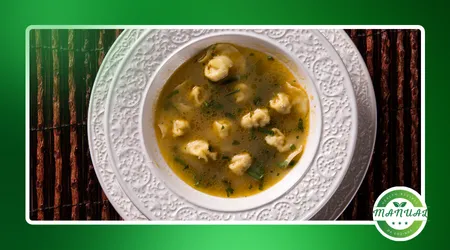
The winter of 2025 brought record cold temperatures to several regions of Brazil, according to data from INMET, and nothing goes better with this climate than a capeletti in broth recipe.
Adverts
This dish, which originated in the Emilia-Romagna and Marche regions of Italy, is much more than just a simple pasta soup. It is an invitation to pause, to be affectionate and to eat consciously.
In a world where fast food dominates, dedicating yourself to preparing a capeletti in broth recipe it is an act of gastronomic resistance.
Each step, from the broth to the final touch, carries centuries of tradition and culinary wisdom. But why is this dish still so relevant?
The answer lies in its ability to combine comfort, flavor and nutritional benefits in a single bowl.
Adverts
The Story Behind the Capeletti in Brodo Recipe
Capeletti in brodo has humble origins, created as a way to make the most of simple ingredients in times of scarcity.
Its oldest version dates back to the 14th century, when stuffed pasta was served in nutritious broths for rural workers.
Over time, the dish gained the status of a delicacy, especially at family celebrations and dates such as Christmas. In regions such as Bologna, it is believed that the shape of the capeletti (small hats) symbolizes prosperity.
Today, renowned chefs like Massimo Bottura revisit this tradition, proving that classics can be reinvented without losing their essence.
Why the Recipe for capeletti in brodo Has it stood the test of time?
In addition to the flavor, science explains part of this success. A study by the University of Parma (2023) showed that broths rich in gelatin, such as those made with bones, improve intestinal health and strengthen immunity – something essential on cold days.
++Creamy leek pie with buttery pastry
But the real secret lies in the sensory experience. The contrast between the delicate pasta and the deeply aromatic broth creates a harmony that few dishes can match.
For those looking for practicality, semi-ready versions exist, but none compare to the artisanal process.
The Broth: Recipe for capeletti in brodo
A well-made broth is the soul of the dish. The ideal? A mixture of free-range chicken bones (rich in collagen) and beef joint (which adds body and depth).
Slow cooking, for at least 6 hours, extracts minerals such as calcium, phosphorus and magnesium.
++Homemade gnocchi recipe with natural tomato sauce
Seasonings should be balanced: a whole onion with cloves, celery, carrots and bay leaves. Avoid overdoing it – the broth should be smooth, not a soup of seasonings.
Pro tip: Degreasing after it has cooled ensures a clear, pure-tasting liquid.
The Perfect Dough: Texture and Technique
Type 00 flour and free-range eggs are non-negotiable. The dough should be thin enough not to be chewy, but strong enough not to break during baking.
In some regions of Italy, a spoonful of vinegar is added to the cooking water – a grandma's trick to firm up the pasta without altering the flavor.
++Pasta Sauces: Perfect Combinations for Every Type of Dish
For those who don't have a machine, a manual rolling pin is still the best option. The ideal dough should be so thin that, when held up to the light, it is possible to read text through it.
Filling: Tradition and Innovation
The classic recipe uses a mixture of pork and beef, fresh ricotta and nutmeg. But modern variations can include:
- Vegetarian: Spinach, ricotta and Brazil nuts
- Gourmet: Lobster and Taleggio cheese
- Regional: Dried meat and curd cheese (a northeastern adaptation)
The ideal ratio? 70% meat to 30% other ingredients – this way the main flavor is maintained.
Assembly and Finishing: Details That Elevate the Dish
Cooking the capeletti directly in the broth ensures that they absorb the flavor. The ideal time is when they rise to the surface – about 3-4 minutes.
When serving, freshly grated Grana Padano cheese is essential. A drizzle of quality extra virgin olive oil (such as those from Tuscany) adds complexity.
For presentation, use deep bowls that retain heat. Fried sage leaves make a nice crispy garnish.
Contemporary Variations for the capeletti in brodo recipe
Restaurants around the world are reinventing the dish:
- In Brazil: Chef Jefferson Rueda, from A Casa do Porco, created a version with black pork broth and liver capeletti.
- Japan: In Tokyo, Trattoria Tsukiji restaurant uses dashi instead of traditional broth, an Italian-Japanese fusion.
For vegans, the shiitake broth with kombu seaweed offers umami comparable to the original.
The Importance of Local Ingredients in Brazilian Adaptation
In Brazil, the capeletti in broth recipe gained unique characteristics thanks to the use of regional ingredients.
Many chefs replace the traditional Grana Padano cheese with our Minas Gerais parmesan, which has a more pronounced and salty flavor.
The broth, in turn, can be enriched with fish urchin or even with bones from free-range chicken, which give it a more intense and earthy flavor.
Read too: Turkey capelette in broth (reuse)
This adaptation does not change the character of the dish, but rather makes it more accessible and closer to our gastronomic reality, proving that Italian cuisine can – and should – interact with Brazilian flavors.
The Capeletti Ritual: A Complete Sensory Experience
Eat one capeletti in broth recipe goes beyond taste – it’s an experience that involves all the senses.
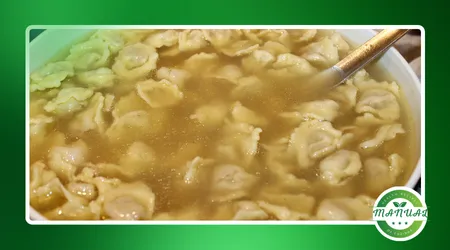
The aroma of the steaming broth, the sight of the perfectly golden capeletti floating in the amber liquid, the sound of the cheese being freshly grated and, of course, the first contact of the spoon with the soft pasta.
This combination of elements transforms a simple meal into a moment of almost meditative gastronomic pleasure.
In times of fast food and rushed meals, reviving this ritual can be a way to reconnect with the pleasure of eating with attention and intention.
Frequently Asked Questions
1. Can I freeze capeletti in brodo?
Yes, but separately. Freeze the raw capeletti in trays before packaging. The broth can be stored for up to 3 months.
2. What is the substitute for type 00 flour?
Specialty pasta flour will work, but the texture will be slightly different.
3. Why doesn't my broth turn out gelatinous?
Lack of bones with cartilage. Beef knuckle and chicken feet solve the problem.
4. Can I use a blender for the filling?
No – the texture is pasty. Grinding with a knife or processor in short pulses is ideal.
Conclusion: More Than a Recipe, an Inheritance
Prepare a capeletti in broth recipe in 2025 is to connect with centuries of culinary history. In a fast-paced world, this dish reminds us that some gastronomic treasures are worth the time invested.
Whether you follow tradition to the letter or add your own personal touches, the important thing is to keep the essence alive: comfort that nourishes body and soul. And you, when are you going to try your own version of this timeless classic?