
Colorful salad with special homemade dressing
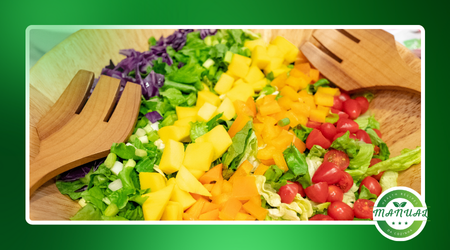
Nothing goes better with vitality than a colorful salad fresh and crispy. More than a dish, it is a celebration of flavors, textures and nutrients.
Adverts
In 2025, the search for conscious and sustainable food has never been higher, and salads have gained protagonist status in modern gastronomy.
But why did this dish, so simple at first glance, become a global phenomenon?
The answer lies in its versatility. A colorful salad It can be a light dinner, a sophisticated side dish or even a complete meal, depending on the combination of ingredients.
Plus, it’s perfect for any season, from fresh summer vegetables to toasted winter roots.
Adverts
Aesthetics also plays a crucial role. Eating with your eyes is an old concept, but it is gaining strength in the age of social media.
A vibrant plate not only stimulates the appetite, but also signals nutritional diversity. After all, each color represents a different health benefit.
Why Does Color Matter in Your Food?
Each shade on the plate represents a group of distinct phytochemicals.
A study from the Harvard T.H. Chan School of Public Health (2024) revealed that diets rich in multicolored vegetables reduce the risk of chronic diseases by 23%.
Red vegetables (tomatoes, bell peppers) contain lycopene, a powerful antioxidant. Purple vegetables (cabbage, beets) contain anthocyanins, which fight inflammation.
Greens (spinach, cucumber) are sources of chlorophyll, known for its detoxifying action.
But it’s not enough to just throw random ingredients on your plate. The balance between colors and nutrients is what turns an ordinary salad into a colorful salad functional.
For example, adding avocado (a healthy fat) increases the absorption of fat-soluble vitamins found in other vegetables.
Another crucial point is seasonality. Seasonal vegetables are not only tastier, but also more nutritious.
A tomato harvested in summer has up to 30% more lycopene than one grown out of season. So, planning your colorful salad according to the agricultural calendar can make all the difference.
Read more: How to make flavorful steamed vegetables
The Sauce That Elevates Any *Colorful Salad
A well-balanced homemade dressing can transform simple greens into a culinary experience. Imagine a blend of extra-virgin olive oil, organic honey, Dijon mustard, and lemon zest.
The acidity cuts through the fat, the honey harmonizes and the mustard adds depth.
But the real magic is in the customization. Want a spicy touch? Add grated chili pepper. Prefer an oriental flavor?
Mix together fresh ginger, soy sauce, and sesame oil. The key is to adjust the flavors according to the main ingredients in the salad.
It's worth noting that texture also matters. A creamy yogurt or tahini-based dressing goes well with salads with crunchy ingredients like nuts or seeds.
A light vinaigrette goes best with delicate leaves, such as arugula or watercress.
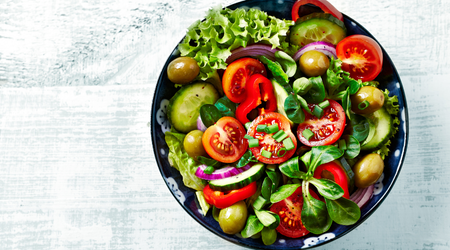
The Balance Between Nutrition and Pleasure
Many people still associate salads with boring dishes. But one colorful salad well-crafted challenges this prejudice.
Crunchy textures, unusual ingredients (like dried fruit or pomegranate seeds) and a memorable sauce make all the difference.
A common mistake is to overdo it with high-calorie toppings, such as croutons or fatty cheeses.
Instead, try substituting them with more nutritious alternatives, like roasted chickpeas or flaked almonds. This way, you’ll maintain balance without sacrificing flavor.
Another tip is to play around with temperatures. Adding a slightly warmed ingredient, like sautéed mushrooms or roasted squash, creates an interesting contrast and makes the experience more satisfying.
How to Assemble a *Colorful Salad* that Nourishes and Satisfies
The real art lies in the strategic combination of ingredients.
One colorful salad A balanced diet should contain: green leaves (nutritional base), raw vegetables (for crunch), a source of protein (grains, eggs or cheese) and a sweet or acidic element (fresh or dried fruit) for contrast.
This structure ensures satiety for longer and avoids that feeling of “hunger an hour later”.
An under-explored trick is to add fresh herbs. Basil, mint, and cilantro not only add color, but also enrich the flavor profile with their essential oils.
Research published in the Journal of Agricultural and Food Chemistry (2024) found that herbs such as parsley and rosemary can increase iron absorption from vegetables by up to 40%.
Colorful Salad in Everyday Life: Tips to Avoid Getting Into a Routine
The biggest complaint about salads is that they are boring. The solution? Create a weekly rotation system. Monday: Mediterranean theme (tomato, cucumber, olives).
Wednesday: Asian-inspired (red cabbage, mango, peanuts). Friday: Roasted root vegetable mix (sweet potato, carrot, beetroot). This approach keeps things interesting and provides nutritional variety.
For those who are short on time, the “one-dish” technique is a lifesaver. Simply cover half of your plate with green leaves, 25% with protein and 25% with complex carbohydrates (quinoa, potatoes).
+ How to make flavorful steamed vegetables
Top with sauce and seeds. In 10 minutes, you have a complete, balanced and visually irresistible meal – the perfect concept for colorful salad for modern life.
Impressive Data
According to the World Health Organization (2025), only 28% of Brazilians consume the recommended daily amount of vegetables.
One colorful salad can help reverse this scenario, especially if incorporated as part of the routine.
The same report indicates that people who consume at least three different colors of vegetables per day have a lower incidence of cardiovascular problems.
This is because the variety of natural pigments guarantees a wide range of antioxidants and micronutrients.
It is worth remembering that practicality does not have to be sacrificed. A salad can be prepared in less than 15 minutes if the ingredients are previously washed and cut.
In fact, preparing individual pots for the week is an efficient strategy for maintaining a healthy diet even when you’re in a rush.
Read more about: Northeastern couscous: a great side dish for lunch
Frequently Asked Questions
1. Can I make a *colorful salad without green leaves?
Yes! Roots, vegetables and fruits also count. The important thing is to vary the colors and textures.
2. How to prevent salad from getting soggy?
Drying the ingredients well and storing the sauce separately are good practices.
3. What is the best time to consume?
There are no rules, but salads rich in protein and good fats can be complete meals.