
Flaxseed: discover the benefits and how to consume it
Discover now the health benefits, types of linseed and how to consume this seed, so you can implement it in your diet!
Adverts

Flaxseed, a small seed packed with nutrients, has gained a prominent place in the world of healthy eating.
In this sense, with its origins dating back thousands of years, this versatile seed is recognized for its numerous health benefits.
Incorporating this seed into your daily diet can bring significant improvements to your overall well-being.
Continue reading and learn more about this little seed:
Adverts
See also: Quinoa salad with grilled vegetables
Benefits of flaxseed and how to consume it
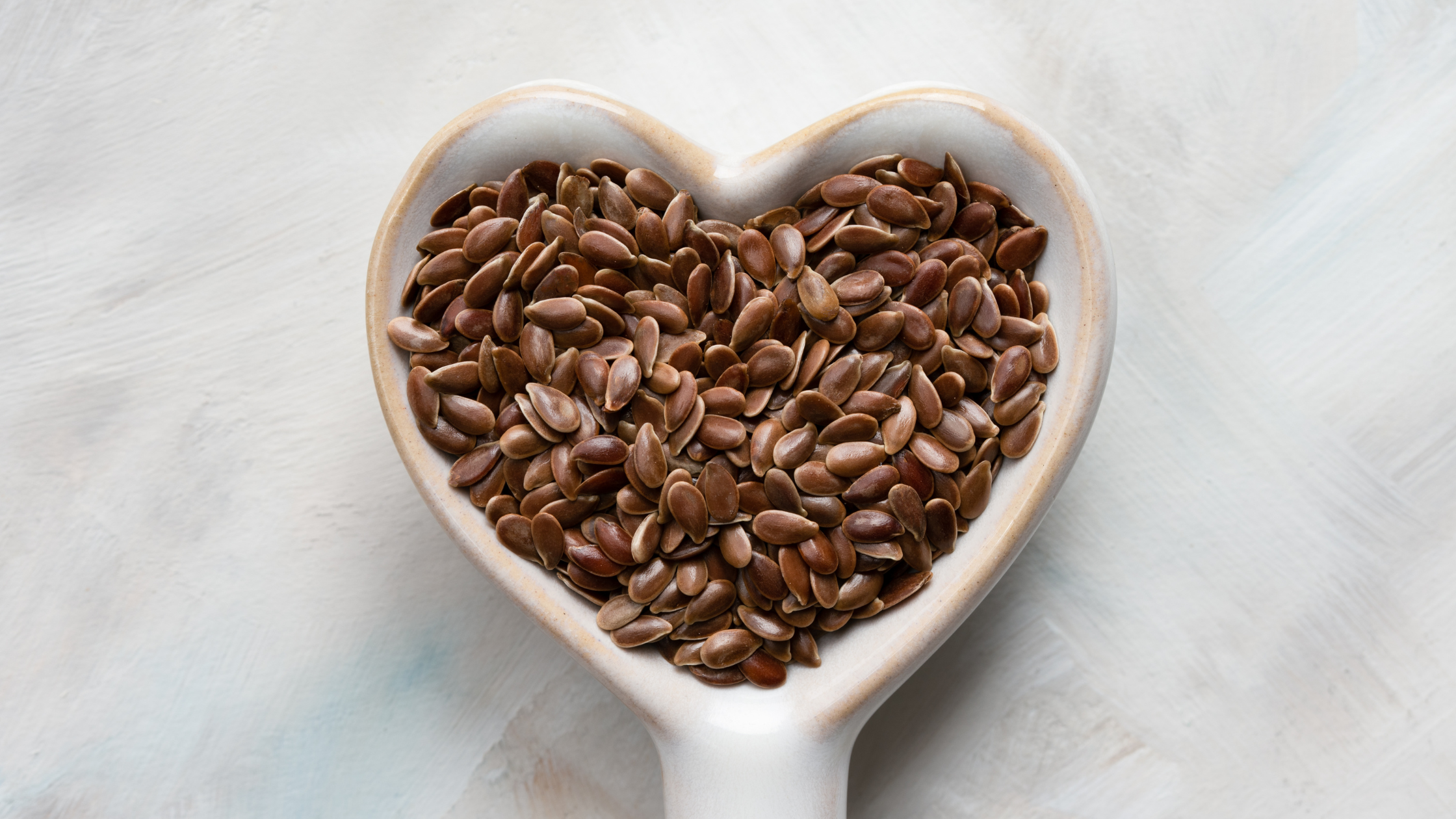
Flaxseed, a small golden or brown seed, has been gaining more and more attention in the world of nutrition due to its impressive health benefits. Rich in essential nutrients, this seed can be an excellent complement to many diets.
Health benefits
Initially, one of the biggest benefits of linseed is its high concentration of omega-3 fatty acids.
These acids are essential for the proper functioning of the brain and heart, helping to reduce inflammation and improve cardiovascular health.
Additionally, this seed is an excellent source of dietary fiber.
These fibers aid digestion and promote satiety, making them an ally in weight control and preventing gastrointestinal problems.
Another notable aspect of the linseed is its antioxidant potential.
In this sense, rich in lignans, it can help fight free radicals in the body, reducing the risk of chronic diseases such as cancer and heart disease.
In fact, lignans also have estrogenic properties, which can be beneficial for hormonal health, especially in women going through menopause.
Finally, the linseed is a good source of vegetable protein.
For those who follow a vegetarian or vegan diet, this seed can be an excellent option to ensure adequate protein intake.
The proteins in this seed help build and repair body tissues, as well as promoting a feeling of satiety, helping to control appetite.
Read too: Ora-pro-nóbis: see benefits and 3 practical recipes
How to consume it on a daily basis?
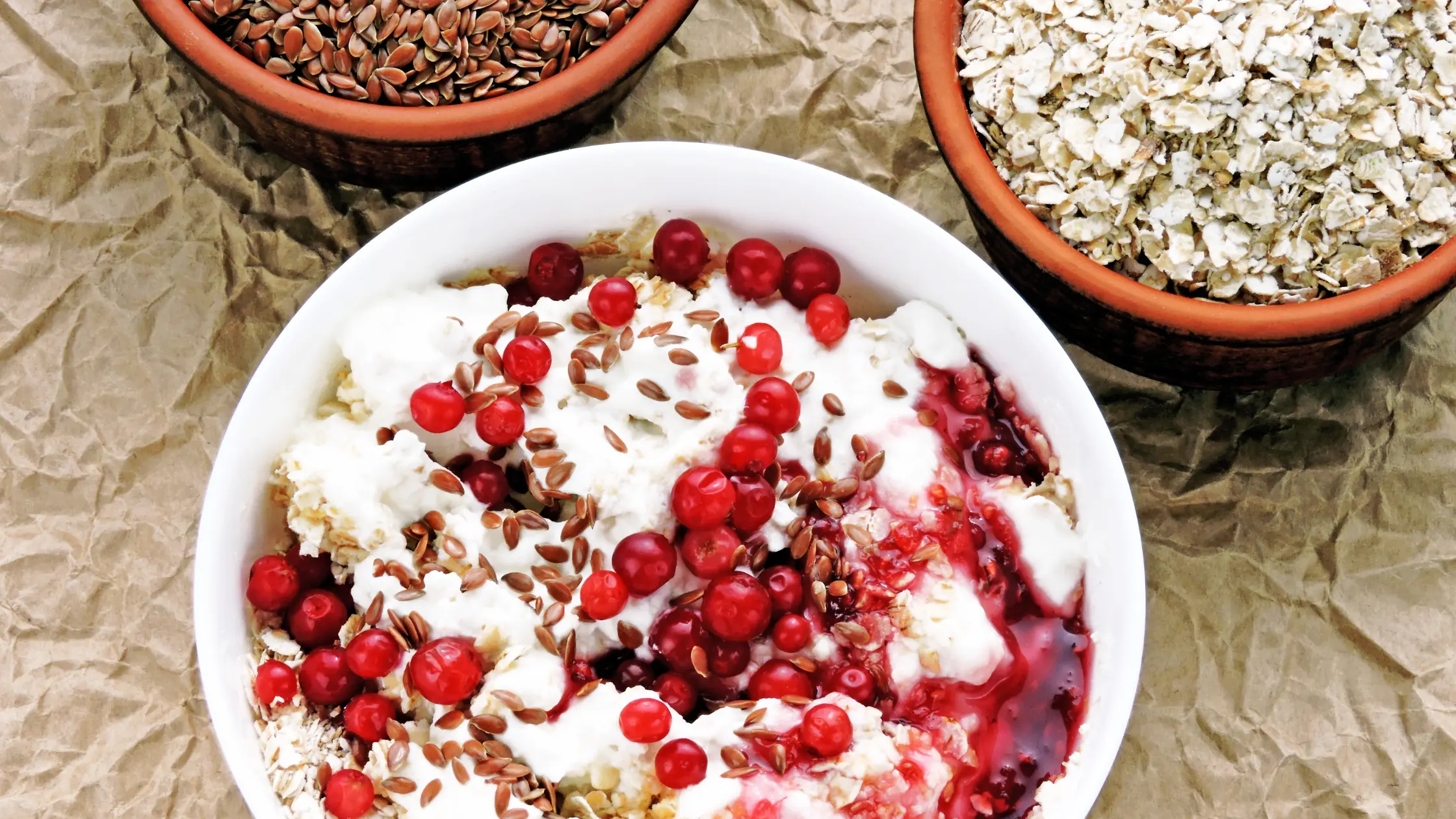
Incorporate the linseed in the daily diet is simple and can be done in several ways.
For example, one of the most popular ways is to add the ground seed to smoothies, yogurts and cereals.
Grinding the seed is important, as it facilitates digestion and absorption of nutrients by the body.
It can be purchased ready-made or ground at home with the help of a blender or coffee grinder.
In short, another effective way to consume linseed is mixing it into bread, cake and cookie dough.
It can partially replace wheat flour, increasing the nutritional value of recipes.
For salad lovers, flaxseed oil is an excellent seasoning option, offering all the benefits of the seed in a practical and tasty form.
In addition linseed can be used as an egg substitute in vegan recipes.
Mixing one tablespoon of this ground seed with three tablespoons of water produces a gel that can replace an egg in cake and muffin recipes. This alternative not only enriches the recipe with nutrients, but also makes the dish more accessible to people with dietary restrictions.
Types of Flaxseed
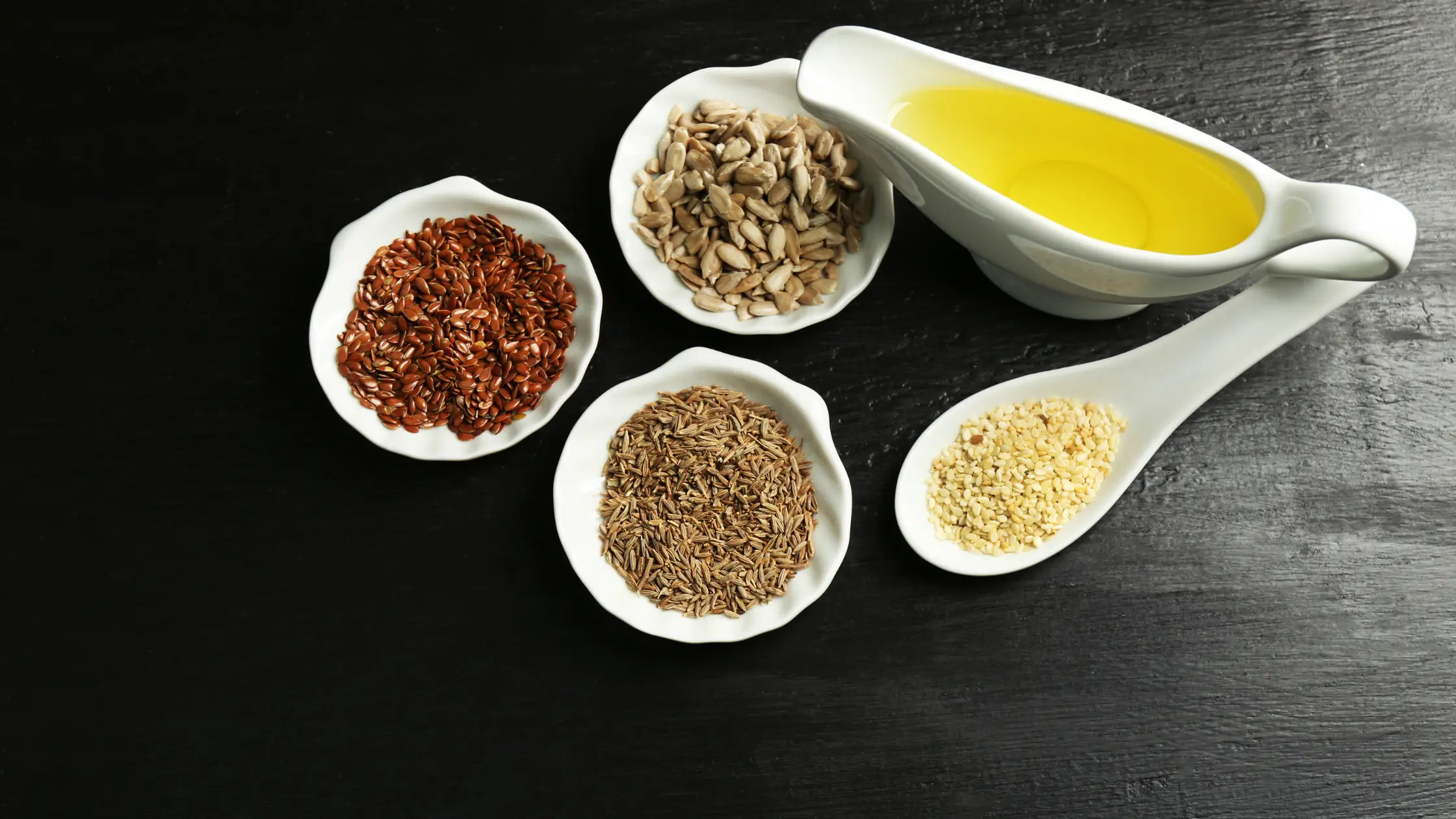
This seed is widely known for its nutritional benefits.
But, it is important to understand that there are different types of linseed, each with its own unique characteristics.
Below, we explore the main types available on the market: brown flaxseed and golden flaxseed.
Brown Linseed
Brown flaxseed is the most common and easily found in supermarkets and health food stores.
In this sense, it has a harder shell and a dark brown color.
This type of seed is grown mainly in regions with more temperate and humid climates.
It is rich in fiber, omega-3 fatty acids and antioxidants, offering all the benefits associated with this seed.
One of its advantages is its generally more affordable cost, making it a popular option for those who want to add this superfood to their daily diet without spending a lot.
Golden Linseed
This type, in turn, has a lighter color and a slightly milder flavor.
Therefore, it is grown in regions with colder and drier climates, such as Canada. Although both golden and brown contain similar nutrients.
For example, sea bream is often preferred for its more delicate flavor and because it is easier to digest due to its thinner skin.
In short, some studies suggest that linseed Gilthead sea bream may have a slight advantage in terms of omega-3 concentration.
But the differences are minimal and both are extremely nutritious.
Organic Flaxseed
In addition to color variations, flaxseed can also be found in organic versions.
For example, organic is grown without the use of pesticides or chemical fertilizers.
In other words, a preferred choice for those looking for a more natural and sustainable product.
Therefore, opting for organic can be a good way to minimize the intake of chemical residues and support more environmentally friendly agricultural practices.
Ground and Whole Flaxseed
Another factor to consider when choosing the seed is its presentation: ground or whole.
As such, the whole fruit has a hard shell that can be difficult to digest, meaning that many of its nutrients can pass through the digestive system without being absorbed.
Therefore, the linseed Ground is generally recommended as it allows for better digestion and absorption of nutrients.
In turn, if you prefer, the ground coffee can be bought ready-made or made at home.
In short, whether brown or golden, organic or conventional, whole or ground, it is a valuable addition to the diet.
Each type has its own characteristics and benefits, but they are all rich in fiber, omega-3s and antioxidants.
When choosing the linseed that best suits your needs and preferences, you can ensure you are getting the most out of the benefits.
++ Rice with cod: learn this delicious recipe
Conclusion
The benefits of linseed are wide and varied, making this small seed a powerful ally for health.
Therefore, rich in omega-3, fiber, antioxidants and proteins, flaxseed can contribute significantly to a balanced and nutritious diet.
With different ways of consuming it, from smoothies and salads to bread and cake recipes, it is easy to incorporate flaxseed into your daily routine.
So, take advantage of the countless benefits of flaxseed and try including this versatile seed in your diet.