
Savory vegetable pie with oat crust
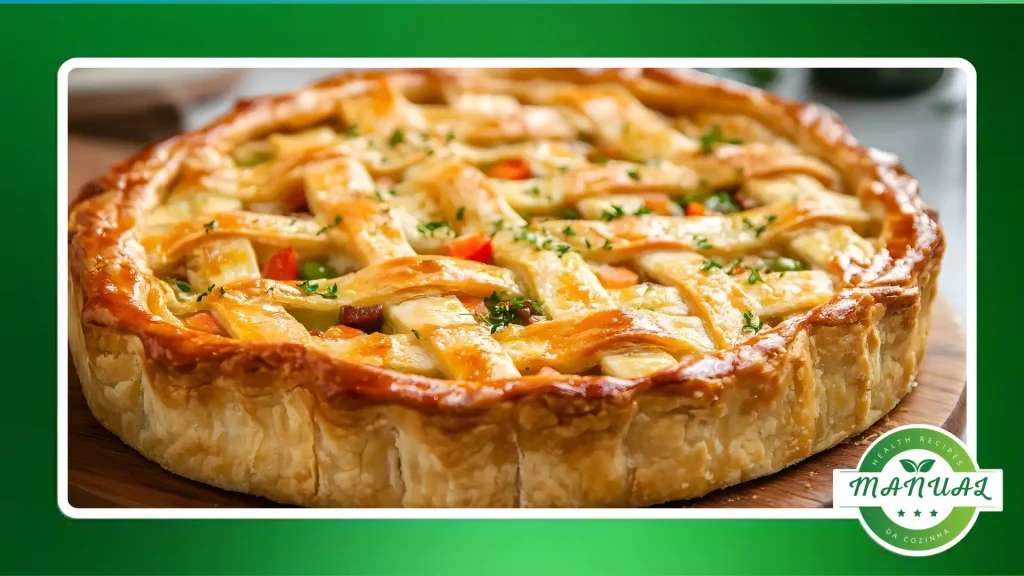
The pursuit of a balanced diet has transformed our relationship with contemporary home cooking. Discovering ways to combine nutrition and daily practicality has become the goal of those who prioritize lasting well-being.
Adverts
Prepare a Savory vegetable pie with oat crust It's the ideal choice for combining health and great taste.
This versatile dish adapts perfectly to a dynamic routine, working very well for lunch or quick snacks. Replacing refined flours with whole-wheat options elevates the nutritional profile of this classic recipe without any mystery.
The result is a light, accessible dish full of textures that appeals to a wide variety of palates.
In this comprehensive guide, you will learn culinary techniques to achieve the perfect consistency without using gluten. We will explore vegetable combinations, essential nutritional information, and a step-by-step guide to success in the kitchen.
Adverts
Get ready to master this recipe that will revolutionize your weekly menu.
Table of Contents
- What's the secret to a savory vegetable pie with an oat crust?
- How to choose the best vegetables for the filling?
- What are the real benefits of oats in dough?
- What ingredients are needed for the recipe?
- What is the step-by-step preparation method?
- Nutritional Information: A Practical Comparison of Ingredients
- Frequently Asked Questions (FAQ)
What's the secret to a savory vegetable pie with an oat crust?
The key difference in this preparation lies in the precise balance between the moisture of the filling and the structure of the base. Savory vegetable pie with oat crust It needs efficient binding agents to prevent crumbling after baking.
The correct use of eggs and olive oil helps to achieve a soft texture.
Unlike traditional shortcrust pastry, the oat version doesn't require long resting periods in the refrigerator. You can mix the ingredients in just a few minutes using only a hand mixer or blender.
This agility makes the dish a trump card for days full of urgent commitments.
Using rolled oats ensures greater softness, while oat flour provides a homogeneous texture. The combination of textures enhances the sensory quality of the recipe, making each bite a unique experience.
The golden, aromatic crust captures attention at first glance.
Choosing natural spices elevates the dish's culinary appeal without adding excess sodium. Fresh herbs like rosemary, thyme, oregano, and basil harmonize perfectly with a whole-grain base.
Add a good pinch of turmeric to guarantee a beautiful yellowish color.
How to choose the best vegetables for the filling?
The selection of internal ingredients determines the structural success and distinctive flavor of your savory dish. Vegetables that release a lot of water, such as zucchini and tomatoes, require special care before being added to the dough.
Lightly sautéing or removing the seeds prevents the pie crust from becoming dense and heavy.
Grated carrots, chopped broccoli, sweet corn, fresh peas, and leeks make a classic and extremely nutritious combination. The variety of colors in the filling ensures a diverse supply of essential vitamins and minerals.
Always prioritize seasonal foods to get the most freshness and save money.
You can check the official healthy eating guidelines on the website of Ministry of Health to understand the importance of daily vegetable consumption.
Including these foods improves intestinal transit and strengthens the immune system naturally. Vary the ingredients according to the season's harvest.
Cutting the vegetables into uniform sizes ensures even cooking of all items during baking. Avoid excessively large pieces that could disrupt the structure of the slices when final cutting.
An organized appearance, both inside and out, enhances the presentation of the dish on the table.
What are the real benefits of oats in dough?
Replacing refined wheat flour offers significant biological advantages that directly impact your daily energy levels. Oats are recognized worldwide for containing beta-glucans, soluble fibers that help control cholesterol.
This cereal acts as a true ally for the heart.
The slow digestion promoted by fiber prevents insulin spikes in the blood, maintaining constant energy for hours. Those seeking weight management will find it helpful. Savory vegetable pie with oat crust an excellent nutritional ally.
A prolonged feeling of fullness reduces the need for constant high-calorie snacking.
Furthermore, the grain offers a good supply of plant-based protein, iron, magnesium, and zinc, which are essential for the body. It's a smart way to enrich a meal that appeals to both adults and picky children.
The neutral flavor of the grain allows the chosen seasonings to take center stage.
Choosing brands that guarantee the absence of cross-contamination makes the dish safe for individuals with celiac disease. The versatility of the ingredient allows for dairy-free adaptations, using water or various plant-based drinks.
It's about food inclusion combined with the pleasure of eating well every day.
What ingredients are needed for the recipe? {#ingredients}
The excellence of a Savory vegetable pie with oat crust It starts with choosing fresh, high-quality organic ingredients. Combining clean macronutrients and essential micronutrients transforms this simple dish into a superfood for your daily routine. Ensure you use carefully selected items to guarantee the correct texture and the desired distinctive flavor.
For Functional Mass:
- Whole grain oats: 2 cups of tea (mix fine flakes and flour for a better consistency).
- Organic eggs: 3 whole units (provide the ideal structure and protein intake).
- Extra virgin olive oil: 1/2 cup of tea (ensures healthy fats and softness).
- Filtered water or plant-based milk: 1 cup of tea (adjusts the consistency of the mixture to your liking).
- Baking powder: 1 tablespoon (allows for the necessary growth and lightness).
- Sea salt and spices: 1 teaspoon (use turmeric and black pepper to taste).
For the Nutritious Filling:
- Italian zucchini: 1 cup of tea cut into small cubes (remove excess moisture).
- Fresh carrot: 1/2 cup finely grated tea (adds color and beta-carotene to the dish).
- Leek or onion: 1/2 cup of sliced tea (provides an incredible aromatic gastronomic base).
- Sweet corn or peas: 1/2 cup of tea (preferably use fresh or frozen versions).
- Dried fine herbs: 1 tablespoon (oregano, basil, and rosemary go very well together).
What is the step-by-step preparation method?
The technical process is quick and doesn't require advanced skills from complex traditional baking. Strictly follow the order of the steps to ensure an airy dough and perfectly distributed vegetables.
The first step is to thoroughly wash, chop, and dry all the vegetables that will make up the filling. In a non-stick frying pan, sauté the leek with a drizzle of olive oil until slightly wilted.
Add the remaining vegetables, sauté for two minutes, and set aside to cool completely.
Meanwhile, use a large bowl to whisk the eggs with the olive oil using a wire whisk. Gradually add the water, then incorporate the rolled oats and whole grain oat flour.
Stir vigorously until you obtain a smooth, thick mass that is completely free of lumps.
Add the chosen dried spices and baking powder, gently mixing with a silicone spatula from the bottom up. Pour the sautéed vegetables directly into this base mixture and gently combine everything.
This precaution ensures that the filling is evenly distributed throughout the pie.
Transfer the mixture to a rectangular or round baking dish greased with olive oil and sprinkled with finely rolled oats. Bake in a preheated oven at 180°C (350°F) for about thirty-five minutes, or until the surface is golden brown. Test with a toothpick in the center to ensure it's cooked through.
Carefully remove from the oven and allow the structure to rest for ten minutes before cutting. This resting time stabilizes the vegetable fibers and cereal starch, preventing unwanted cracking in the presentation.
Your Savory vegetable pie with oat crust It is ready to eat.
+ Chocolate cake with shiny ganache for special occasions.
Nutritional Information: A Practical Comparison of Ingredients
Below, we present a clear analysis of the nutritional differences between the most common bases used in modern home baking.
+ Rustic apple and cinnamon pie in the style of a French pastry shop.
| Base ingredient (100g) | Dietary Fiber | Glycemic Index | Main Minerals |
| Whole Oat Flour | 10g | Low to Medium | Magnesium, Iron, Zinc |
| Refined Wheat Flour | 2.7g | High | Low mineral density |
| Corn starch | 0.9g | Very High | Irrelevant traits |
What spices transform the flavor of the base?
Forget about regular salt and processed broths that mask the true taste of food. The culinary secret lies in the alchemy of fresh herbs, chopped with precision at the moment.
A pinch of grated nutmeg lends a very subtle, aristocratic touch to the oatmeal. Add pure turmeric to achieve that golden color that whets the appetite.
Freshly ground black pepper releases essential oils that perfume the entire kitchen. Mix in finely chopped fresh rosemary to create an irresistible aromatic contrast.
How to adapt the recipe for restrictive diets?
Adapting traditional recipes requires practical knowledge of everyday food substitutes. For a completely vegan version, eliminate the eggs and use soaked seeds instead.
Golden flaxseed flour creates a dense gel that's perfect for binding dough. Substitute cow's milk with neutral plant-based milks like almond or cashew milk.
Those with severe gluten intolerance should purchase oats with certification on the packaging. This conscious choice ensures food safety for all guests.
Where should this dish be served on the menu?
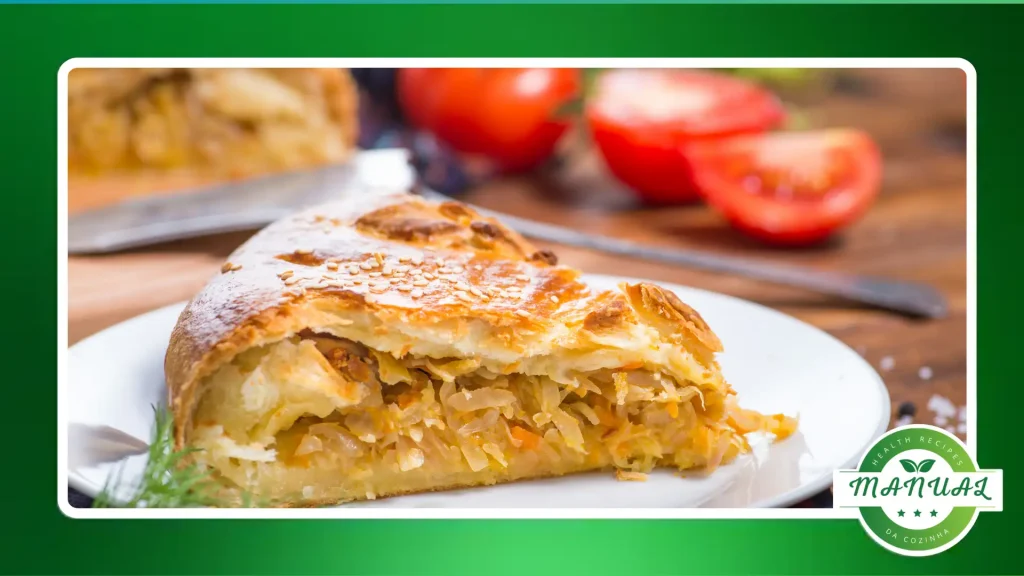
This culinary versatility allows the dish to transition well across various mealtimes. For Sunday lunch, it shines brightly alongside a colorful salad.
Cut into small squares to offer as a sophisticated appetizer at gatherings with friends. Take it in your lunchbox to work to ensure a clean and very nutritious meal.
Consuming it ice-cold on hot summer days is surprisingly refreshing. It's the perfect all-rounder to help you plan your meals for a busy week.
+ Sicilian lemon cake with a light and fragrant glaze.
Which methods guarantee the best slow cooking results?
The choice of baking dish directly influences the heat distribution in the oven. Silicone molds facilitate perfect unmolding, but they are flawed in the formation of a crust.
Ceramic or glass baking dishes bake evenly, retaining heat for longer. If you opt for traditional aluminum, use greased parchment paper on the bottom.
Very thick crusts require a few extra minutes in the oven to bake the center. Monitor visually until you notice the edges are slightly pulled away and nicely browned.
Frequently Asked Questions (FAQ)
Can I freeze the pie after it's baked?
Yes, you can freeze individual portions for up to ninety days in tightly sealed containers. To defrost, use a conventional oven or microwave directly, maintaining the dish's original pleasant texture.
How can I substitute eggs in this specific recipe?
Flaxseed or chia gel can be used as effective substitutes to bind vegetable dough. Mix one tablespoon of ground seeds with three tablespoons of water and hydrate well.
Can the dough be made in a blender?
Certainly, blending the liquid ingredients with the oats in a blender guarantees an extremely smooth texture quickly. Add the yeast only at the end, gently mixing with a spatula to avoid hindering the rising process.
What is the best type of oatmeal to use?
Oat flour produces more delicate doughs, while fine oat flakes add a pleasant rustic flavor. You can mix the two varieties in equal parts to get the best of both worlds.