
Creamy cauliflower puree: a light and healthy option for winter.
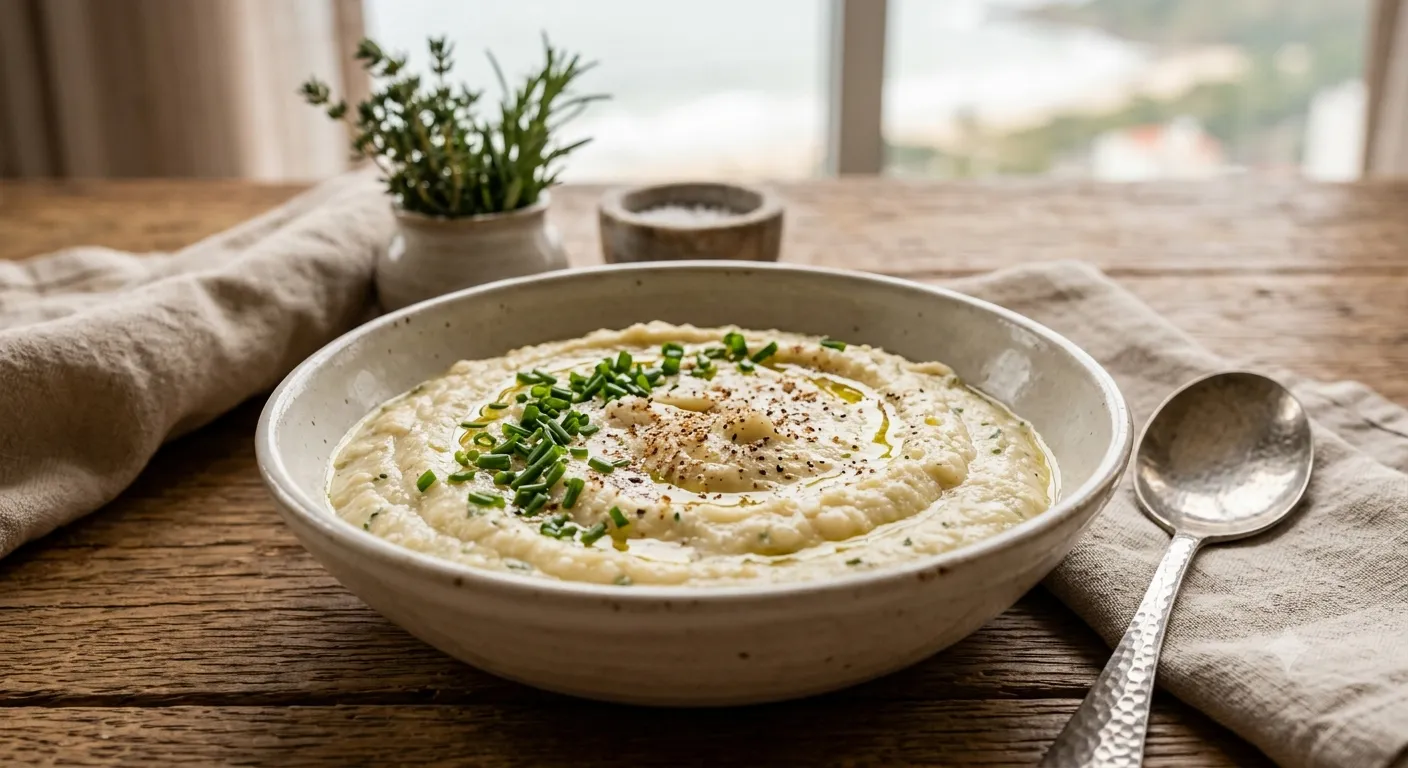
Prepare a creamy cauliflower puree (fit) It goes beyond simply replacing ingredients. It's about restoring thermal comfort without the lethargy typical of excessive starch consumption in winter.
Adverts
The quest for lightness in the cold season often leads to bland, textureless dishes. Fortunately, the evolution of functional gastronomy has proven that cruciferous vegetables deliver real creaminess.
Below, you'll find a technical and practical breakdown of this comforting recipe. Our summary outlines the path to transforming a simple ingredient into high-end home cooking.
Summary
- The role of crucifers in winter
- Nutritional analysis beyond calories
- The correct dry cooking technique
- Smart emulsions and fats in preparation
- Comparative table: Cauliflower versus Potato
- Restaurant finishing and textures
- Frequently Asked Questions (FAQ)
Why choose cauliflower in winter?
Winter demands immediate body warmth and efficient digestion for the nighttime period. creamy cauliflower puree (fit) It solves this dilemma that often sabotages healthy dinners.
There's a common misconception that only dense carbohydrates provide true satiety. The molecular structure of this vegetable absorbs spices perfectly, tricking the brain with sensory comfort.
Adverts
Seasonally speaking, winter frosts concentrate the natural sugars in cruciferous vegetables. This results in tastier, denser, and cheaper harvests at farmers' markets.
What are the real nutritional benefits?
Vitamin C and potassium intake increases significantly with this strategic choice. These elements support the immune barrier when temperatures plummet severely.
The presence of soluble fiber prevents dreaded insulin spikes in the blood. This hormonal stability controls that almost uncontrollable urge to binge on sweets on cold nights.
Sulfur compounds, often overlooked in superficial analyses, act strongly against inflammatory processes. The dish ceases to be just food and becomes an active biological protection.
How to prepare the perfect base without starch?
The greatest enemy of creamy cauliflower puree (fit) It's the water retained in the florets. Ignoring this technical detail turns the side dish into a thin, bland soup.
Steaming the vegetable is an indispensable first line of defense. This choice preserves cellular integrity and prevents the main mixture from becoming soggy.
A rich alternative is to roast the pieces with olive oil before processing everything. The dry heat caramelizes the surfaces, bringing surprising almond notes to the palate.
What ingredients guarantee the creamy, healthy texture?
Achieving a smooth, velvety texture without using cream requires structural fats. Cottage cheese fulfills this function masterfully, without adding to the calorie count.
For those who avoid animal products, homemade almond milk solves the equation. It provides the necessary richness without stealing the spotlight from the vegetable in the dish.
The finishing touch comes to life with a good extra virgin olive oil. It should be added slowly, creating a glossy emulsion while the purée is still warm.
Ingredients
- 1 large bunch of fresh cauliflower (only the cleaned florets)
- 2 heaping tablespoons of cottage cheese (or creamy ricotta)
- 1 tablespoon of cold-pressed extra virgin olive oil
- 1 small clove of garlic, roasted (or lightly sautéed)
- Sea salt, white pepper, and freshly grated nutmeg to taste.
Method of preparation
- Structured Cut: Separate the cauliflower into medium-sized florets only, discarding the thick base of the main stalk to ensure a uniform final texture without stiff fibers.
- Dry Cooking: Steam the pieces for 10 to 12 minutes, avoiding direct immersion in water so that the vegetable does not absorb excessive moisture and become overcooked.
- Residual Evaporation: Transfer the cooked florets to a sieve and let them rest for 2 minutes, allowing all the extra steam to escape before starting the grinding process.
- Hot Processing: Place the still-warm cauliflower in a food processor or use a hand mixer, adding the cottage cheese, olive oil, and roasted garlic.
- Velvety Emulsion: Beat everything at maximum speed until it reaches the consistency of a smooth cream, adjusting the fluidity with a spoonful of steam water if necessary.
- Chef's Seasoning: Add the sea salt, white pepper, and nutmeg, beating for another ten seconds to distribute the aromas evenly throughout the dough.
- Stabilization and Service: Return the purée to the pan over low heat for just one minute to allow the flavors to meld, then serve immediately while the dish is still fragrant with spices.
What are the ideal side dishes for this meal?
This light base calls for the company of grilled proteins with a crispy crust. A salmon fillet or grilled chicken breast creates the ideal contrast.
Mushrooms sautéed in garlic add an earthy touch that pairs perfectly with the cold weather. They bring a chewy texture that enriches the overall dining experience.
Updated guidelines on healthy eating, published by Ministry of HealthThey validate this combination of vegetables and proteins for daily balance.
What are the best substitutes for people with lactose intolerance?
Replacing dairy products without losing the velvety texture requires efficient emulsifying fats. Whipped silken tofu emerges as a brilliant Asian alternative to add weight and creaminess to dough.
Another viable technical approach involves the use of neutral, warm green banana biomass. It provides excellent culinary thickening to the dish, in addition to acting as a potent prebiotic intestinal fuel.
+ Fresh and delicious Italian salad for everyday meals.
Comparative table: Cauliflower versus Potato
Below, we compare the nutritional reality of the two most popular staples in Brazilian cuisine. The values are based on exact 100-gram portions of the cooked food.
+ Quinoa salad with mango, cucumber and mint.
| Component (per 100g) | Boiled Cauliflower | Boiled English Potato |
| Calories (kcal) | 25 kcal | 86 kcal |
| Net Carbohydrates | 2.8 g | 18.2 g |
| Dietary Fiber | 2.5 g | 1.6 g |
| Glycemic Load | Low | Moderate/High |
How to achieve that velvety restaurant texture?
Forget the regular blender, which requires excess liquid to work. A hand mixer or food processor guarantees fine control over the consistency.
Working with the vegetable straight from the heat facilitates the breaking down of the fibers. The fatty elements are added gradually, reshaping the dough with each rotation of the blades.
If you're aiming for absolute perfection, pass the cream through a fine sieve. This meticulous step eliminates residual microgranules, delivering that mirrored finish found in fine restaurants.
What role do the spices play in this recipe?
Freshly grated nutmeg completely transforms the aromatic profile of this dish. It immediately evokes fond memories of classic French sauces.
Roasted garlic in its skin and crushed imparts a deep sweetness. This technique neutralizes the characteristic odor of cruciferous vegetables, convincing even the most skeptical palates.
White pepper works behind the scenes, adding spiciness without spoiling the visual appeal. Sea salt is added simply to awaken the dormant flavors of the vegetable.
How to store and reheat correctly?
Airtight glass containers retain their original qualities for three days. Plastic containers tend to sweat, releasing water that spoils the resulting texture.
When reheating, avoid the microwave, which separates the stages of the puree. Return the cream to the pan over low heat, stirring vigorously constantly.
Freezing this dish plain does not yield good results after thawing. The water separates from the fibers, leaving the puree with a curdled appearance.
What are the most common mistakes you should avoid?
The most frequent mistake is rushing the draining of the vegetables. Any remaining water transforms the velvety cream into a structureless broth.
Adding too much dairy right at the beginning also ruins the consistency. The fluidity must be built up patiently, spoonful by spoonful, assessing the visual weight.
Finally, serving the dish piping hot burns the taste buds and masks the aromas. A two-minute rest allows the flavors to settle at the ideal serving temperature.
How can you vary the flavor of the traditional base?
A pinch of pure turmeric adds a beautiful, sunny golden hue. Beyond its aesthetic appeal, the dish gains a considerable antioxidant boost for the body.
Lemon thyme or chopped fresh rosemary leaves bring immediate freshness to the table. These herbs break the monotony of the heavy dishes typical of cold days.
For a special evening, sprinkle aged artisanal Parmesan cheese over the dish. Baking it in the oven to gratinate creates an irresistible crispy crust.
Why does a winter diet need to be light?
The body expends more energy to maintain internal heat during the colder months. However, burdening the body with complex digestions robs it of daily vitality.
Betting on creamy cauliflower puree (fit) Break this cycle of seasonal lethargy. You ensure nutritional density without the cost of subsequent gastric fatigue.
Good nighttime well-being directly reflects the quality of deep and restorative sleep. Eating intelligently is the first step to protecting your health all year round.
+ Crispy tofu in spicy sauce, a light, oriental-style dinner.
Conclusion
Breaking with the idea that healthy food lacks flavor liberates the cook. This purée proves that technical simplicity trumps the need for expensive ingredients.
Include this dish in your routine for quick dinners or casual get-togethers. The body responds quickly when comfort and lightness share the same plate.
To deepen your knowledge about preventative nutrition and conscious choices, visit the official recommendations of... World Health Organization.
FAQ – Frequently Asked Questions
Can I use frozen cauliflower to make the puree?
It works perfectly, as long as it's thawed directly with steam to remove the industrial water. This precaution prevents external moisture from altering the final texture.
How can I substitute cottage cheese in this healthy recipe?
Pressed ricotta cheese or plain Greek yogurt without whey gives excellent results. Both preserve the protein profile and guarantee the necessary creamy texture.
Do children accept this type of substitution well?
Yes, the final flavor is sweet and very mild to a child's palate. The use of roasted garlic masks the vegetable's original aroma.
What is the calorie count of an average serving?
A 150-gram serving provides approximately 65 kcal, varying depending on the dairy products used. This value is three times lower than that of a potato.
Can the mixer be used directly in a hot pan?
Only if the appliance's shaft is made of food-grade stainless steel. Plastic shafts can deform or contaminate food at high temperatures.