
The most common mistakes when organizing the refrigerator and how to avoid them.
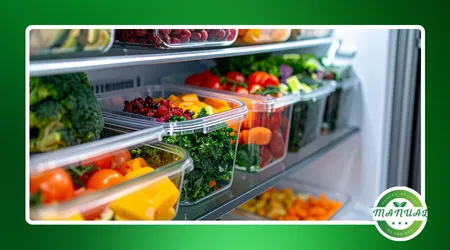
Adverts
Neglecting the logistics of one's own kitchen is a silent habit, but almost everyone does it. Most common mistakes when organizing the refrigerator. without realizing the daily damage.
This haphazard arrangement of ingredients accelerates the loss of freshness and sabotages the household budget. Understanding the invisible dynamics of cold preserves not only the nutrients, but also the flavor of what we buy.
Below, you'll find the ultimate map to mastering this space. Discover the myths of refrigeration, the logical use of shelves, and how to optimize every square inch of your appliance.
Summary
- What are the most common mistakes when organizing the refrigerator?
- Where should each type of food be stored?
- How does internal temperature affect food safety?
- Quick Guide to Smart Storage
- Frequently Asked Questions (FAQ)
What are the most common mistakes when organizing the refrigerator?
The most classic—and perhaps the most dangerous—mistake is insisting on placing milk and egg cartons on the appliance door. This area becomes a veritable thermal rollercoaster every time it's opened.
Adverts
This continuous temperature fluctuation creates the perfect environment for microbial activity. Resistant pathogens such as Salmonella They find the ideal environment to proliferate when the eggs undergo this constant thermal shock.
Another common mistake is storing leafy greens and vegetables while they are still damp, right after washing them. The water trapped in the bags or containers accelerates spoilage, turning good food into waste in the blink of an eye.
Sanitizing your produce is only worthwhile if you have the patience to dry each item individually. Otherwise, it's better to store everything as it came from the street and only wash it when you're about to consume it.
Piling large containers directly in front of the interior air conditioning vents disrupts the cooling flow. The motor has to work twice as hard to compensate for the blockage, directly impacting the energy bill.
There is also the habit of keeping plastic supermarket bags and original cardboard boxes on the shelves. In addition to bringing dirt from the streets inside, these materials insulate against the cold that should reach the food.
Finally, keeping open cans of food in the refrigerator is taking an unnecessary risk. Oxygen reacts with the exposed metal of the can, oxidizing the packaging and contaminating the contents with hazardous chemical residues.
Where should each type of food be stored?
The appliance's internal engineering follows a simple physical logic: cold air, being denser, always sinks. Knowing this, the top shelves are for dairy products and ready-made meals.
Place fresh cheeses, yogurts, the week's butter, and yesterday's leftovers in these higher compartments. This strategic placement protects these more sensitive products from any accidental dripping from above.
Along the way, leave room for homemade sweets, cold cuts, and eggs. Ideally, keep the eggs in their original cardboard cartons to prevent them from absorbing odors from other foods.
The bottom shelves are for items that spoil quickly and require strict refrigeration. This is the transition area for thawing meats and fish carefully, always stored in tightly sealed airtight containers.
The bottom drawer acts as a bunker for vegetables, legumes, and fruits that dislike direct cold. The humidity there is more controlled, which prevents the leaves from getting burned or wilted.
At the door, limit the space to items that can truly withstand wear and tear: sauces, jams, pasteurized juices, and beverages in general. These products contain enough natural preservatives to withstand the daily opening and closing.
Mapping out the appliance with this mindset eliminates the Most common mistakes when organizing the refrigerator.extending the lifespan of everything you consume.
How does internal temperature affect food safety?
Following the technical standards of Anvisa (National Health Surveillance Agency)The interior of a domestic refrigerator must operate strictly below 5°C to ensure food safety.
Allowing the thermostat to malfunction causes food to enter a dangerous zone for bacterial proliferation. Between 4°C and 60°C, microorganisms multiply at an alarming rate, spoiling the dish.
A simple analog thermometer hung on the grille helps to monitor these fluctuations closely. During the warmer months of the year, switch the equipment control to the more intense ranges.
Internal overheating often occurs when we place boiling pots directly on shelves without waiting a while. This hot blast raises the overall ambient temperature, threatening the preservation of all neighboring items.
Let the food cool slightly on the counter before closing the container and storing it in the refrigerator. This natural resting period before refrigeration should not exceed two hours for safety reasons.
Filling the compartments to the brim prevents the cold mist from circulating evenly between the containers. Leaving small ventilation gaps between containers ensures proper cooling.
Stabilizing this thermal ecosystem solves, once and for all, the Most common mistakes when organizing the refrigerator. in your daily life.
Quick Guide to Smart Storage
Organizing your routine requires visual data to simplify decisions when storing groceries. The table below organizes the exact placement and recommended storage times for each type of item.
+ How to blanch vegetables without losing color and nutrients during cooking.
| Food Category | Ideal Storage Location | Maximum Storage Time | Main Objective of the Action |
| Raw Meats and Fish | Bottom Shelf (in jars) | 1 to 2 days | Isolate the dripping fluids. |
| Dairy Products and Byproducts | Top Shelf | 2 to 3 days | Receive the most stable temperature. |
| Whole Eggs | Middle Shelf | Until the box's expiration date | Protect from the thermal imbalance of the door. |
| Vegetables and Legumes | Bottom Drawer | 3 to 7 days | Retain moisture without burning the leaves. |
| Sauces and Drinks | Door Shelves | Variable (as per label) | Support constant movement |
How to optimize space by using the right containers?
Abandoning styrofoam bags and trays and investing in airtight glass containers changes the visual appeal of the kitchen. Glass cleans better, doesn't yellow over time, and prevents the transfer of odors.
Square or rectangular containers fit perfectly in corners, making much better use of the available space than round ones. By aligning the containers by size, you gain a complete overview of your inventory without having to hunt for items.
Practice the old rule of commerce: the product that expires first should be placed right in front of your eyes. Bringing older items to the forefront of the shelf reduces forgetfulness and waste.
Writing the opening date on the lids using masking tape prevents you from consuming something that has gone bad. It's a simple sanitary control measure that saves you unpleasant guesswork mid-week.
Fruits that naturally release ethylene gas, such as tomatoes and papayas, need insulation. This gas acts as a ripening accelerator, causing nearby leaves to rot prematurely.
Escape from Most common mistakes when organizing the refrigerator. It transforms household management, generating real savings while preserving the pleasure of cooking.
+ How to organize a small kitchen without wasting useful space.
What are the signs that your refrigerator needs urgent cleaning?
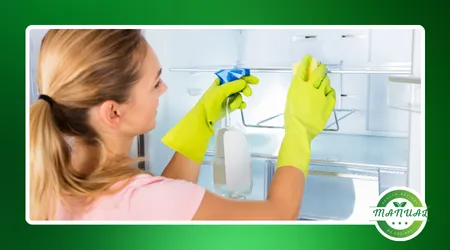
Beyond the visual aspect, the appliance emits subtle warnings when its internal organization collapses and bacteria begin to dominate the environment.
The most obvious sign is the famous "refrigerator smell," a persistent odor that arises from the mixture of gases released by decomposing food and poorly sealed containers.
If ice has started to accumulate rapidly on the freezer walls or if the shelves have a sticky film, the appliance's ecosystem is already compromised.
Another alarming sign is the presence of excessive condensation — those water droplets that appear to "sweat" on plastic containers and inner walls.
This excess humidity is the perfect trigger for the appearance of black mold on the door seals. When the sheets stored in the drawer start to get sticky or show dark stains in less than 48 hours, it's clear that air circulation has been interrupted by the excess of boxes, requiring an immediate thorough cleaning.
+ How to make your kitchen functional with just a few practical adjustments.
Conclusion
Organizing the refrigerator is far from just a matter of visual appeal; it's about health safety and saving money. Organizing the internal space breaks the cycle of contamination and extends the freshness of ingredients.
Changing the location of the milk, drying the leaves carefully, and allowing air to circulate freely are small adjustments with a huge impact. Incorporate these changes into your routine until they become a natural part of how you care for your home.
To better understand the dynamics of conservation and post-harvest care, it is worth reading the specialized material from [source name]. Embrapa (Brazilian Agricultural Research Corporation), technical reference for the correct handling of food.
Frequently Asked Questions (FAQ)
Can I store milk in the refrigerator door?
Absolutely not. Milk requires a constant temperature and should be stored on the highest shelves. The constant movement of the door accelerates product spoilage.
Why shouldn't eggs be left by the door?
The opening and closing motion generates condensation on the eggshell, weakening its natural barrier. This creates an opening for pathogens to enter.
How should I properly clean my refrigerator?
Empty the appliance and use a soft sponge with warm water and mild detergent. Avoid using scented products to prevent the taste from affecting the food.
How long does leftover food last in the refrigerator?
Cooked food can be refrigerated for a maximum of three days. Store everything in tightly sealed containers as soon as it loses its initial steam.
Is it okay to line shelves with cloths?
Don't do that. Decorative towels or plastics block cold air currents, creating pockets of heat that spoil food faster.